


Geopolitical Airspace Restrictions in 2026: Why Longer Flight Paths Are Driving Higher Costs
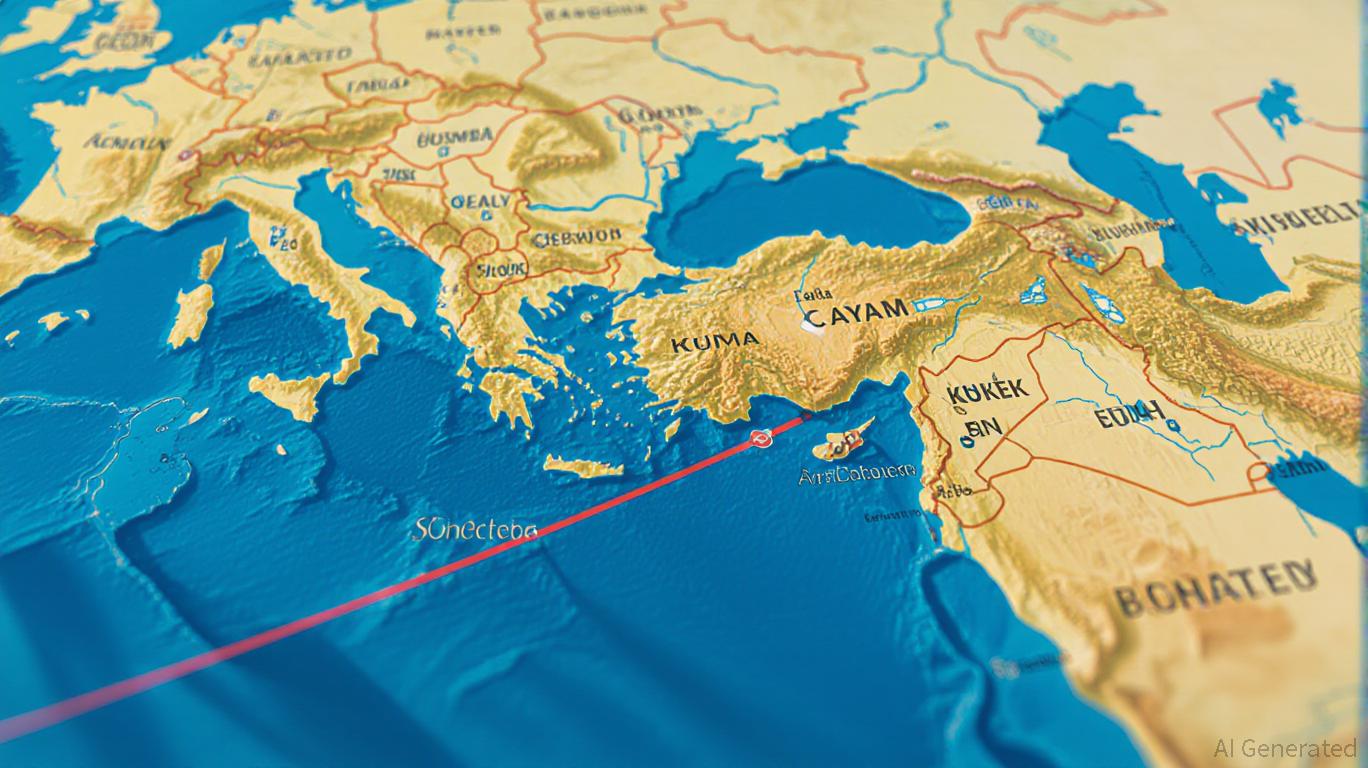
If your air freight costs are climbing in 2026 even though volumes feel stable, the reason is increasingly geopolitical rather than commercial. Airspace restrictions, safety-driven rerouting, and fragmented aviation policies are reshaping global flight paths. The result is longer routes, higher fuel consumption, reduced usable capacity, and more volatile transit times.
For companies that rely on air freight, this isn’t a short-term disruption. It’s a structural shift in how global air cargo networks operate. Understanding where the cost pressure comes from—and how it affects your lanes—is now essential for budget control and service reliability.
What’s Changing in Global Air Freight
The biggest change in 2026 isn’t a single conflict or closure—it’s persistence. Airspace avoidance has become a permanent planning constraint rather than a temporary workaround. Airlines are now operating under a patchwork of restrictions, safety advisories, and political limitations that reduce routing flexibility.
As a result, aircraft spend more time in the air per rotation. That directly affects how often planes can fly, how crews are scheduled, and how reliably networks can absorb disruption. Even when demand is flat, effective capacity tightens because aircraft simply can’t do as many trips.
Key shift: geopolitics now behaves like a capacity constraint first and a pricing issue second. Shippers on highly constrained corridors feel the impact earlier and more severely than those with routing alternatives.
Why Flight Paths Are Getting Longer
Restricted or avoided airspace forces aircraft onto indirect corridors. These detours are not just extra distance—they often mean less favorable winds, higher congestion, fewer diversion options, and additional safety buffers.
Long-haul lanes are especially affected. Routes that once crossed efficient overflight zones now require wide arcs that add hours to total block time. Over time, these longer routings reduce network resilience and make schedules harder to recover when delays occur.
From a shipper’s perspective, this means the “fastest lane” on paper may no longer be consistently fast in practice.
How Longer Routes Translate Into Higher Costs
Longer flight paths increase air freight pricing through several interconnected layers:
Fuel consumption increases
More distance and less optimal routing directly raise fuel burn. Fuel remains one of the largest variable costs in air cargo, so even small percentage increases have an outsized pricing impact.
Crew and maintenance costs rise
Longer block times mean more paid crew hours and accelerated maintenance intervals, which are baked into rate calculations.
Aircraft utilization declines
When flights take longer, aircraft complete fewer rotations per week. That silently reduces capacity without removing planes from service, pushing rates upward during demand spikes.
Operational risk costs increase
Complex routing requires more planning, compliance checks, and contingency handling. These costs are indirect, but they are real—and they accumulate across networks.
Practical insight: ask your freight forwarder which cost driver is dominant on each lane. If they can’t explain it, you’re negotiating without leverage.
Payload Constraints: The Hidden Capacity Problem
One of the least visible but most impactful consequences of longer routings is payload displacement.
Aircraft operating on extended routes often need to carry extra fuel. Fuel has weight, and aircraft have strict maximum limits. When fuel weight goes up, cargo weight must come down. That means fewer sellable kilos per flight.
For shippers, this leads to:
- Rolled cargo despite early bookings
- Disadvantages for dense or low-yield freight
- Wider price gaps between standard and priority services
Actionable takeaway: if you ship heavy or dense goods, protect critical SKUs with uplift guarantees or alternative routings during peak periods.
Transit Time Volatility and Service Reliability
Higher costs are only part of the story. Variability is the bigger risk.
Longer routings increase the likelihood of missed connections, tighter recovery windows, and cascading delays. When aircraft rotations are already stretched, even minor disruptions can push shipments outside committed delivery windows.
Planning solely around average transit time is no longer enough. Companies need to understand worst-case performance on critical lanes, especially for production-critical or time-definite shipments.
Best practice: plan inventory buffers and customer commitments around the slowest realistic transit scenario, not the average.
How Geopolitics Shows Up in Your Air Freight Rates
In 2026, geopolitical pressure is embedded in pricing models. Shippers typically see it reflected through:
- Higher base rates on constrained corridors
- Fuel-related adjustments tied to longer routings
- Larger premiums for priority or guaranteed uplift services
- Risk-related adders on sensitive lanes
- Sharper seasonal price spikes due to reduced network slack
Importantly, two quotes for the same origin and destination may not be comparable if routing assumptions differ. One may assume a direct path that rarely materializes in practice.
Procurement tip: always confirm routing logic when comparing rates.
How Shippers Can Manage Cost and Risk in 2026
Companies that rely on air freight still have options—if they plan deliberately.
Segment shipments by consequence
Reserve premium air services for cargo that truly impacts revenue, production, or compliance.
Build routing optionality
Pre-approve at least two routings for critical lanes so teams aren’t scrambling during disruptions.
Secure capacity where it matters most
Allocations or block-space agreements can stabilize uplift on constrained corridors.
Optimize packaging and density
Better dimensional efficiency reduces exposure when carriers prioritize high-yield freight.
Align geopolitics with S&OP planning
Treat airspace risk as a recurring planning input, not an exception.
Conclusion
Air freight in 2026 is no longer just about speed—it’s about resilience. Geopolitical airspace restrictions are forcing longer routes, increasing costs, tightening capacity, and injecting volatility into global cargo networks. These pressures are structural and unlikely to disappear in the near term.
For shippers, the solution isn’t simply paying higher rates. It’s understanding where the risk sits in your network, planning for variability, and aligning air freight usage with true business priorities. Companies that treat geopolitics as a permanent planning variable—not an occasional crisis—will be better positioned to control costs, protect service levels, and avoid last-minute premium spending.
The next step is simple but powerful: map your top lanes, identify routing and payload risk, and agree on mitigation strategies before disruption forces the decision for you.
FAQs
Why are air freight costs rising even when volumes are stable?
Because longer routes increase operating costs and reduce how efficiently aircraft can be used, tightening capacity.
What does payload constraint mean in air cargo?
It refers to reduced cargo capacity caused by extra fuel weight required for longer routings.
Which lanes are most affected by geopolitical routing changes?
Long-haul corridors with limited overflight alternatives tend to experience the largest impact.

Related posts

E-commerce Takes Flight: The Role of Air Freight in Online Shopping
In the rapidly evolving world of online shopping, the interplay between technolo
Maersk Raises Surcharges Amid Expanding Red Sea Risks
Last week, Houthi chief Abdul Malik Al-Houthi said there would be a stepping-up
Maximizing Efficiency and Cost Savings with a 4PL Strategy
In today’s fast-paced business environment, companies are looking for inno