


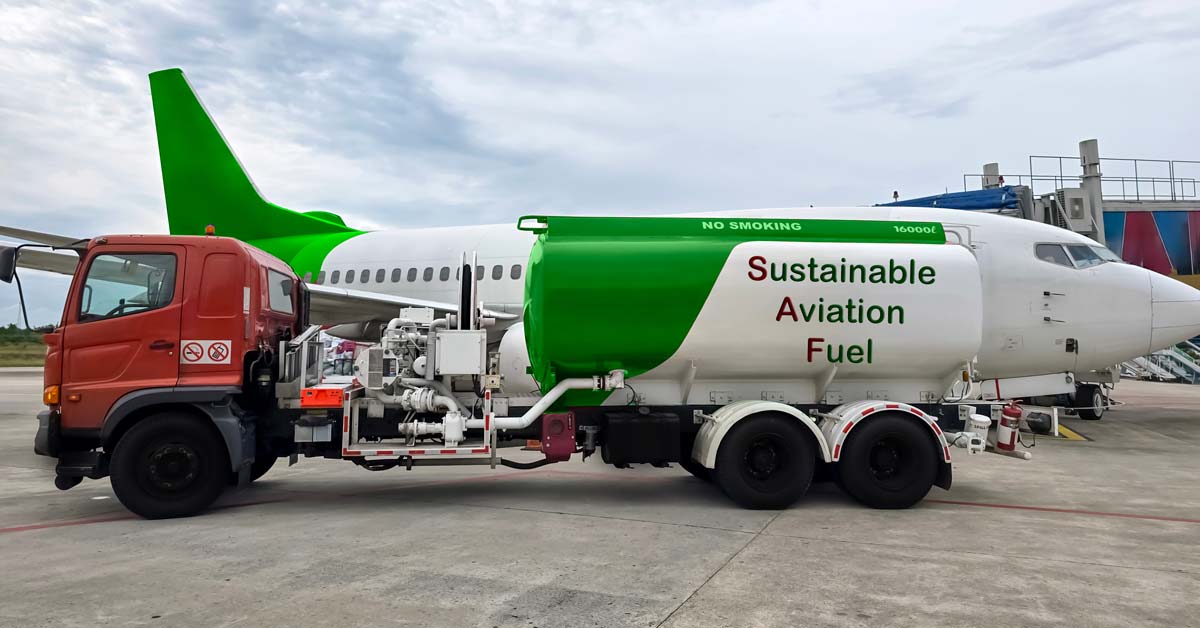
SAF Becomes Mandatory on Major Trade Lanes in 2026: How It’s Reshaping Air Freight Pricing
The air freight industry is entering a pivotal transition in 2026 as Sustainable Aviation Fuel (SAF) moves from a voluntary climate initiative to a regulatory requirement on major global trade lanes. Governments and aviation authorities are mandating minimum SAF usage to reduce carbon emissions, particularly across Europe and key Asia-Pacific hubs. While the environmental intent is clear, the commercial impact is just beginning to unfold.
For businesses that rely on air freight—manufacturers, exporters, e-commerce brands, and logistics providers—these mandates introduce a new pricing reality. Fuel costs are rising, surcharges are becoming more transparent, and sustainability is now a measurable line item in freight budgets. This article explains what SAF is, why it matters, how 2026 mandates affect air freight pricing, and what companies can do to adapt without losing competitiveness.
What SAF Is and Why It Matters for Air Freight
Sustainable Aviation Fuel is a low-carbon alternative to conventional jet fuel made from renewable feedstocks such as used cooking oil, agricultural waste, and other bio-based or synthetic materials. When measured across its full lifecycle, SAF can reduce greenhouse gas emissions by up to 80 percent compared to traditional jet fuel.
One of SAF’s biggest advantages is compatibility. It can be blended with conventional fuel and used in existing aircraft without engine or infrastructure modifications. This makes SAF the most viable near-term solution for decarbonizing aviation, including air cargo operations.
For air freight, however, the challenge lies in cost and availability. SAF production volumes remain limited, and the fuel is significantly more expensive than fossil-based jet fuel. As mandates increase demand, airlines are under pressure to absorb or pass on these costs—directly affecting freight rates.
The 2026 Regulatory Shift on Major Trade Lanes
By 2026, SAF usage will no longer be optional on many international routes. Regulatory frameworks are now enforcing minimum blend requirements and fuel levies that directly affect cargo operations.
In the European Union, aviation fuel suppliers must provide SAF blends at designated airports, with blend ratios increasing progressively over time. While airlines are not producing the fuel themselves, they bear the financial burden of compliance and reflect it in pricing structures for both passenger and cargo services.
Singapore is introducing a SAF levy for flights departing from its main international hub starting in October 2026. The levy applies to both passenger and cargo flights and varies depending on destination distance. For air freight users operating through Southeast Asia, this effectively introduces a new per-kilogram cost tied directly to sustainability compliance.
Together, these policies signal a broader global trend. Other regions are expected to follow, making SAF-related pricing a permanent feature of international air freight.
How SAF Is Changing Air Freight Pricing Models
Airlines and cargo carriers are no longer hiding fuel sustainability costs within general rate increases. Instead, SAF is being introduced as a visible pricing component.
Many carriers now include SAF within their airfreight surcharge structures. Rather than adjusting base rates quietly, they itemize SAF costs alongside fuel and security surcharges. This approach improves transparency but also makes the cost impact harder to ignore for shippers.
For freight forwarders and logistics buyers, this means quotes may look more complex, with sustainability-related charges clearly separated from traditional freight costs. Over time, these charges are expected to increase as mandated SAF blend ratios rise.
Why SAF Costs More Than Traditional Jet Fuel
The primary driver behind rising SAF air freight costs is the fuel’s price premium. SAF currently costs several times more than conventional jet fuel due to limited production capacity, expensive feedstocks, and underdeveloped supply chains.
Airlines face higher procurement costs, while regulators expect compliance without fully addressing supply-side constraints. Industry groups have warned that mandates alone do not guarantee increased SAF production, and without sufficient incentives, scarcity may persist.
For air freight customers, this translates into higher fuel-related charges and potential volatility as SAF prices fluctuate with availability and policy changes.
What Businesses Will Actually Pay in 2026
The impact of SAF mandates becomes clearer when translated into shipment-level costs. For example, shipments departing from hubs with SAF levies will incur additional per-kilogram charges based on destination distance. On high-volume cargo routes, this can add meaningful cost to each shipment, particularly for industries operating on thin margins.
In Europe, SAF-related surcharges are increasingly applied per kilogram, increasing total freight spend even when base rates remain stable. For frequent shippers, these costs accumulate quickly and must be factored into annual logistics budgets.
How Companies Can Manage SAF-Driven Cost Increases
While SAF costs are largely unavoidable, businesses are not without options. One approach is contract transparency. Companies should negotiate freight agreements that clearly define how SAF costs are calculated, adjusted, and communicated. Predictability is often more valuable than short-term savings.
Another strategy is route and mode optimization. In some cases, adjusting routing, consolidating shipments, or rebalancing air and sea freight usage can reduce exposure to SAF-heavy routes.
Some logistics providers also offer sustainability programs that allow companies to support SAF adoption through structured schemes rather than paying full premiums on every shipment. These options can align sustainability goals with budget control.
Supply Challenges and the Risk of Prolonged High Costs
Despite strong regulatory momentum, SAF production remains a fraction of total aviation fuel supply. Scaling production requires long-term investment, stable policy signals, and infrastructure development.
Until supply catches up with mandated demand, pricing pressure is likely to remain. This imbalance raises concerns that SAF costs could stay elevated longer than expected, especially if mandates expand faster than production capacity.
For air freight users, this reinforces the importance of long-term planning rather than treating SAF surcharges as temporary disruptions.
Why SAF Still Matters Beyond Cost
Although SAF increases freight costs, it also delivers strategic value.
Companies with strong sustainability commitments can demonstrate measurable emissions reductions in their supply chains. This is increasingly important for investors, regulators, and customers who expect transparency and accountability.
Early adaptation also reduces future compliance risk. As sustainability reporting becomes stricter, companies already familiar with SAF-driven logistics will be better positioned than those forced to react later.
Conclusion
The introduction of mandatory SAF usage in 2026 marks a structural change in how air freight is priced and managed. Sustainability is no longer an abstract goal—it is a regulated cost embedded in logistics operations.
For businesses that depend on air cargo, success will depend on understanding how SAF affects pricing, adapting contracts accordingly, and integrating sustainability into long-term supply chain strategy. While costs will rise, early planning and informed decision-making can turn regulatory pressure into operational resilience.
FAQs
What is SAF and why is it required?
SAF is a lower-carbon aviation fuel designed to reduce emissions. Governments mandate its use to meet climate targets.
Will SAF increase all air freight rates?
Not uniformly, but routes subject to SAF mandates or levies will experience higher fuel-related charges.
When do SAF rules take effect?
Major mandates and levies begin applying across key trade lanes in 2026.

Related posts

Fund-and-Reward Carbon Emissions Program
A new Fund-and-Reward carbon emissions program is the brainchild of the Internat
Ship Orders Surge as Carriers Rush to Add Capacity
Global shipyards that were retrenching and consolidating in a faltering maritime
The top 10 sanctions stories of 2024
Santosh Patil gets in early with a shipping annual review, giving readers his di