




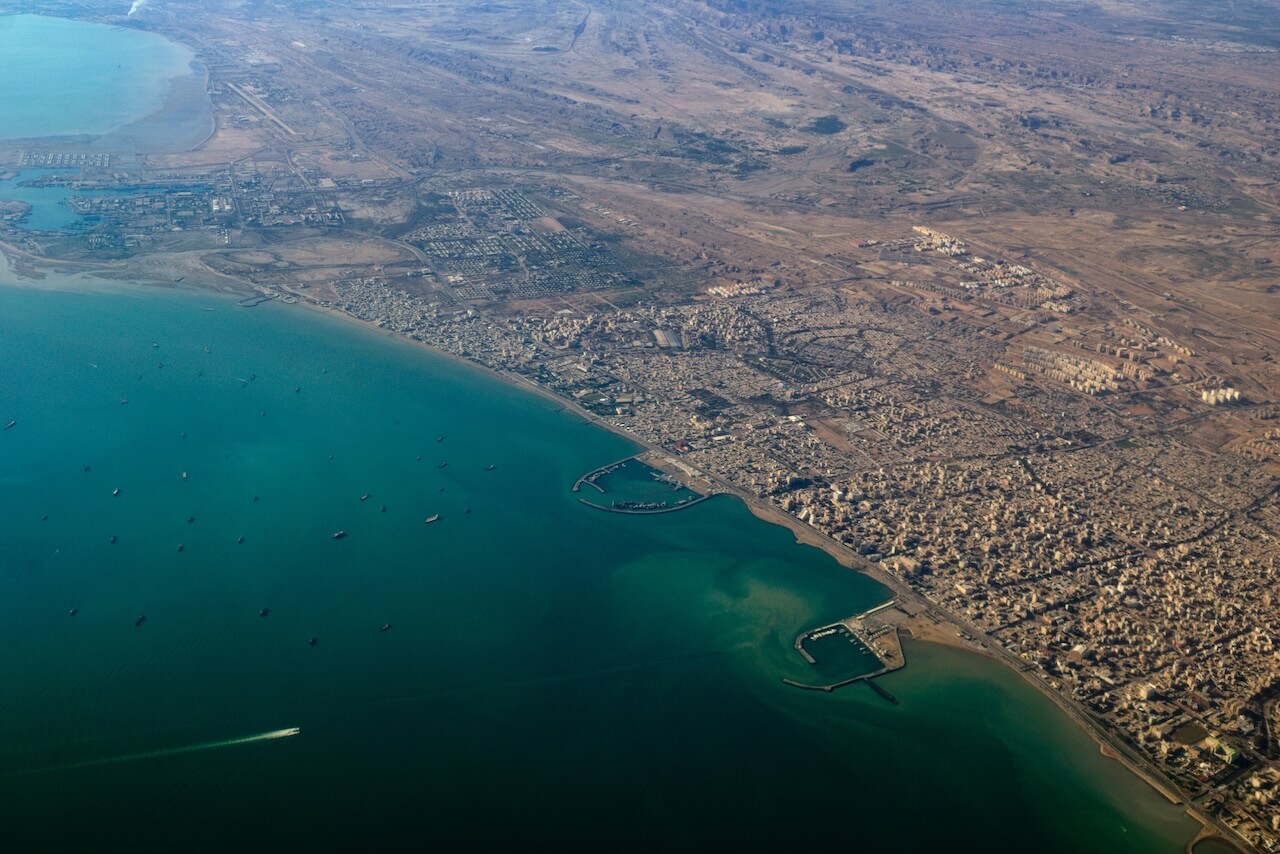
Middle East Shipping Market Update
Maritime trade across the Gulf and surrounding routes remains under significant pressure as security risks, congestion, and carrier disruptions continue to affect regional supply chains. While some Red Sea transits have stabilized, the wider market is still facing stranded capacity, worsening port congestion, equipment shortages, and higher operating costs.
Carriers are responding with alternative routing options, but shippers should expect continued volatility, added surcharges, and possible delays across key Middle East trade lanes.
Risk & Infrastructure
Maritime risk levels remain critical, particularly around the Strait of Hormuz. Ongoing volatility continues due to the U.S. blockade impacting Iranian ports.
A total of 36 vessel attacks have been reported, including projectile strikes and vessel seizures. Conditions in the Red Sea are currently moderate, with transits through Bab el-Mandeb stabilizing and returning to near pre-conflict levels.
Capacity & Congestion
Approximately 270,000 TEU remain stranded across the region. This is an improvement from the peak of 430,000 TEU, but it remains a significant level of disruption.
Port congestion continues to worsen across regional hubs and recovery ports, resulting in delays and ongoing operational challenges for carriers, forwarders, and shippers.
Carrier Network Solutions
Carriers are offering alternative routing options to help reduce disruption, including FCL overland “bridge” solutions via the Red Sea, Turkey, and the Arabian Sea.
Limited LCL availability remains in place. For non-DG cargo, carriers are currently routing through:
- Khor Fakkan
- Jeddah
- Fujairah
- Sohar, Oman — newly added option
Financial & Equipment Impact
Oil prices have increased by approximately 75%, driving emergency fuel and energy surcharges across affected trade lanes.
Carriers have broadly declared Force Majeure, and cargo diversions are permitted, typically at the customer’s expense.
Equipment shortages are also intensifying, with carriers requiring empty containers to be returned outside the Gulf. Combined, these factors are contributing to higher operational costs and continued pressure on regional supply chains.

Related posts

Supply Chain Management vs Optimisation: What You Need to Know
Learn the critical differences between supply chain management and optimisation
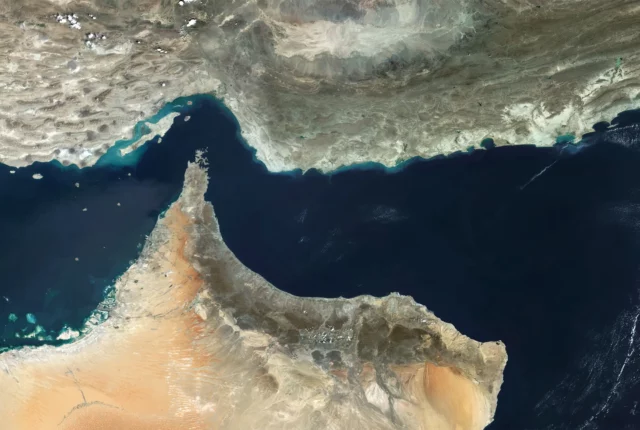
Middle East Shipping Update: Suspensions, Reroutes, War Risk
We would like to provide an important update regarding developments in the Mid
Navigating the Waves: Global Events & Sea Freight Rates
Have you ever tossed a stone into a pond and watched the ripples spread out far
