




Coastal Shipping vs Road Freight: Which Is More Cost-Effective?
Australian supply chains are under pressure, and many businesses are quietly leaking money by misunderstanding the true cost of coastal shipping vs road freight. The headline freight rate between ports and major cities rarely tells the full story. When coastal shipping vs road freight is assessed only on price per tonne, operators often miss hidden expenses, operational risks and inefficiencies that undermine margins and service performance.
- Rising freight spend despite stable or declining volumes
- Frequent schedule changes and last-minute truck bookings
- Limited visibility of total landed cost by lane or corridor
- Inconsistent service levels between ports, depots and customers
- Difficulty balancing speed, cost, emissions and reliability targets
Understanding the real cost drivers
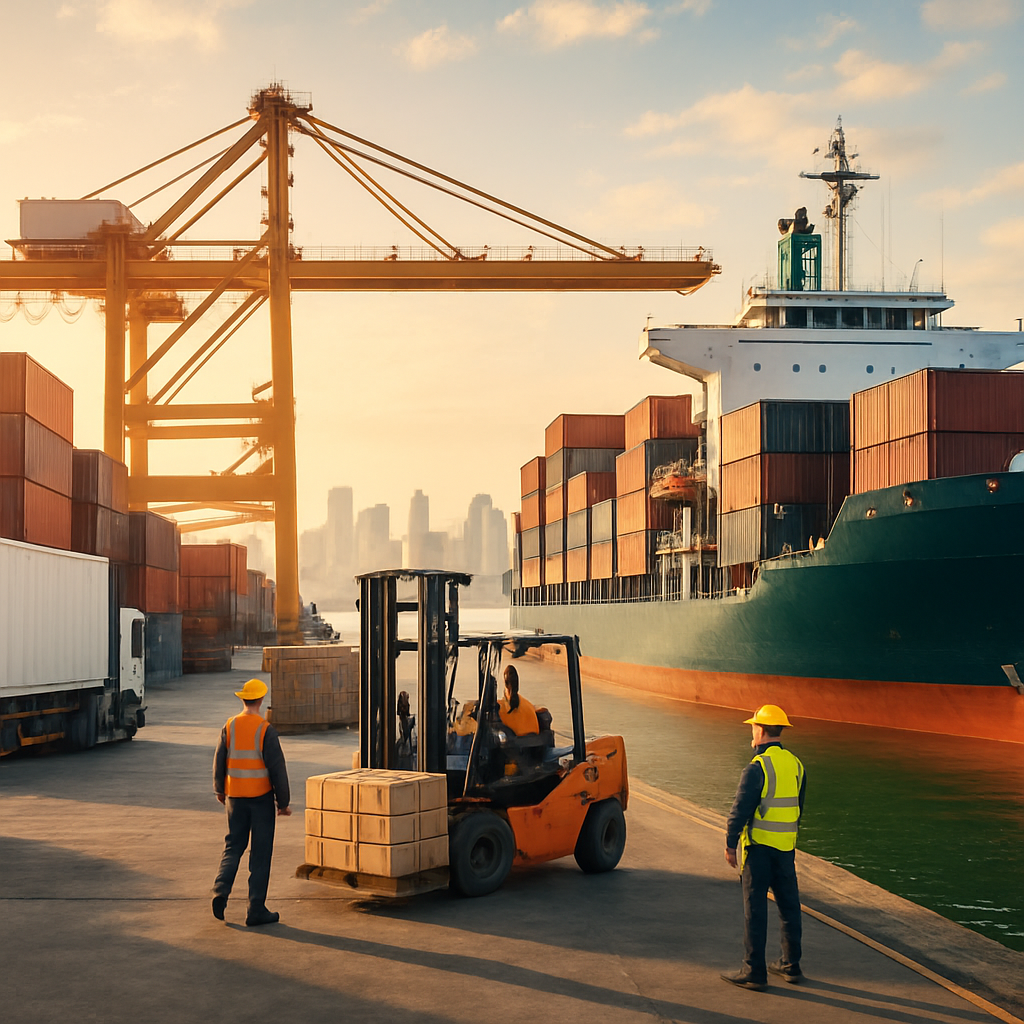
On longer corridors, sea freight can appear cheaper because one vessel replaces hundreds of trucks, spreading fuel, crew and port charges across a large payload. Yet port fees, terminal handling, and the need for first and last mile trucking can quickly narrow the gap, especially where local delivery options are fragmented. Road freight, meanwhile, bakes fuel, tolls, driver wages and compliance into every vehicle, with congestion and fatigue rules inflating costs over time.
Hidden risks in your current freight mix
Many Australian businesses model freight rates but ignore detention, demurrage, warehouse overtime, and inventory holding costs created by delays. These can be acute on road-heavy lanes exposed to accidents, weather and labour shortages. Coastal freight solutions are not immune either, with port congestion and limited sailings extending lead times. Companies chasing express interstate pallet transport to “fix” late orders may be treating symptoms, not the structural flaws in their modal mix.
Operational warning signs and missed opportunities
Warning signs include overreliance on last-minute trucking, growing use of premium services, and poor coordination between interstate shipping services and port-based movements. If planners cannot explain the total landed cost of a route, including risk, emissions and service variability, they are effectively flying blind. In many cases, more deliberate multimodal coastal and road transport, supported by last-mile delivery for coastal freight, could improve reliability while reducing spend and emissions intensity.
Why reassessment matters now
With ESG pressures mounting and diesel prices volatile, staying locked into historic patterns can crowd out more cost-effective interstate freight routes. Independent analysis from the Bureau of Infrastructure and Transport Research Economics shows the emissions advantages of sea freight on longer hauls, underscoring the value of integrated interstate and coastal freight planning. Industry advisers such as Domestic & Coastal are increasingly asked to stress-test networks, identify nationwide interstate freight options and explore flexible coastal delivery services that align with growth plans.
Failing to revisit the balance between coastal shipping vs road freight risks higher costs, fragile service and reputational damage over the long term. Now is the time to review your corridors and service levels, compare door-to-door coastal shipping with road-only models, and test alternative scenarios before the next disruption hits. Consider engaging an expert to benchmark your network, quantify hidden costs and map a more resilient freight strategy that supports sustainable growth.

Related posts

Validating Bed Bath & Beyond’s Price-Gouging Claims against Ocean Carriers
Some ocean carrier contracts are not worth the paper they were written on. Is BB
Hyundai Develop Rotor Sail Design For Eco-Friendly Ship
Based in South Korea, Hyundai has been developing a revolutionary rotor sail des
Biofuel Supply Framework in Development
Currently, Singapore-based Global Centre for Maritime Decarbonisation (GCMD) are
