




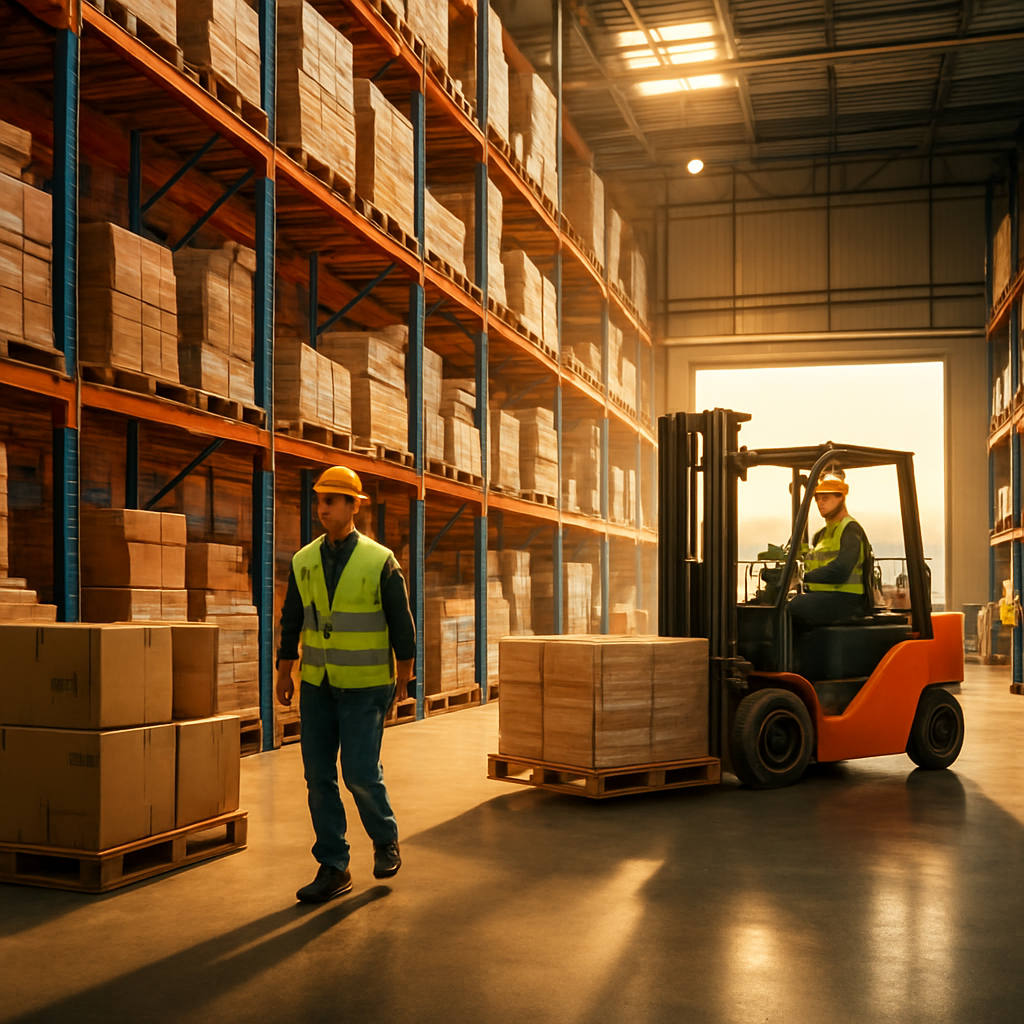
The Essential Role of Warehousing in Modern Logistics
Modern logistics in Australia is under pressure to deliver faster, cheaper and with greater accuracy – yet the Essential Role of Warehousing in Modern Logistics is still routinely underestimated. As freight volumes grow and customer expectations harden around next‑day delivery, the warehouse has become the quiet fulcrum of performance risk. When it is treated purely as a storage shed instead of a dynamic node in the network, small inefficiencies compound into costly failures across the entire supply chain.
- Rising logistics costs despite stable or growing revenue
- Chronic picking errors and mounting customer complaints
- Frequent stockouts despite apparently high inventory levels
- Trucks queuing at docks and drivers waiting for loads
- Staff overtime becoming the norm just to keep up with orders
The Essential Role of Warehousing in Modern Logistics
Across Australia, more than four billion tonnes of goods pass through industrial facilities every year, yet many operators still see the warehouse as a back‑room expense. In reality, Warehousing now determines how effectively businesses can respond to e‑commerce growth, volatile demand and tight delivery windows. Decisions made on the shed floor flow directly into transport costs, service levels and supply chain efficiency, making the warehouse a strategic control point rather than a static cost centre.
How Warehouse Weaknesses Show Up in Daily Operations
The damage caused by poor logistics warehouse management is often incremental and easy to overlook. Staff work around outdated layouts, scanners and paper lists; drivers plan for delays; customers tolerate the odd late parcel until they quietly move to a faster rival. Behind the scenes, inefficient inventory storage and handling creates double handling, mispicks and lost pallets. Over time, what should be streamlined logistics management solutions become a patchwork of manual fixes, eroding margins and morale.
Root Causes: Design, Data and Location Mismatches
Many Australian warehouse footprints were designed for bulk pallets, not fragmented online orders that demand efficient inventory storage planning. Racking heights, pick paths and dock configurations often lag current order profiles, forcing workers into long walks and unnecessary touches. Limited real‑time data makes it difficult to choose the right inventory storage options or forecast peaks accurately. Location choices based purely on rent, rather than access to ports and urban hubs, quietly increase freight kilometres and undermine warehouse supply chain optimization.
What’s at Stake If Businesses Ignore the Problem
With e‑commerce expanding at double‑digit rates, slow fulfilment and poor accuracy are no longer minor irritations. They directly threaten brand loyalty, especially when competitors invest in integrated warehousing solutions and logistics efficiency improvements. Under‑performing facilities also struggle to scale for peak seasons, driving up casual labour costs and safety incidents. Research from the Property Council of Australia and other sources underscores how automation, multi‑level sites and end to end logistics solutions are rapidly becoming baseline expectations rather than nice‑to‑have upgrades.
Recognising these warning signs early is critical for any organisation reliant on global supply chain logistics. Rising logistics costs as a share of sales, constrained floor space, expanding product ranges and ongoing overtime are all indicators that existing settings are no longer fit for purpose. Independent reviews, data‑driven redesign and modern logistics warehouse management approaches can help operators diagnose risks before they become entrenched. Now is the time to assess your network, speak with an expert and map a practical path to a safer, more resilient warehouse operation.

Related posts
Agile Warehousing: Strategies for Quick Adaptation to Market Changes
In today’s fast-paced business environment, adaptability is key to success
Secure by Design: Enhancing Warehousing Security Measures
In the ever-evolving landscape of warehousing and logistics, ensuring the securi
Warehouse Location Strategy: Finding the Sweet Spot for Efficiency
Warehousing is the backbone of a successful supply chain. The location of your w
