




What Is Project Cargo? Key Insights for Logistics Managers
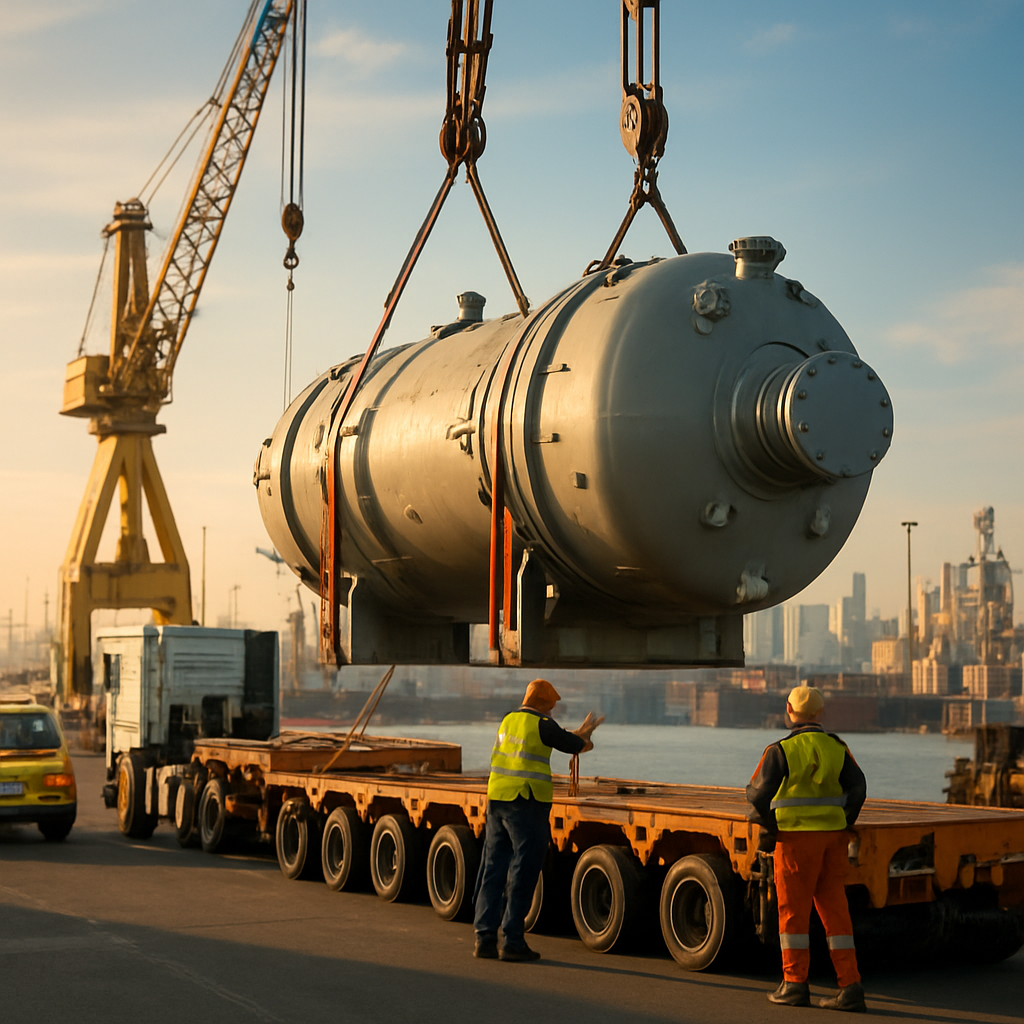
What is project cargo, and why are so many Australian logistics managers being caught out by its hidden complexity? As projects grow in scale and technical sophistication, the movement of outsized, high-value equipment is becoming a critical weak point in planning. Project cargo often travels across vast distances and remote regions, where infrastructure limits, permits and handling risks multiply. When these movements are treated like standard freight, delays, damage and compliance breaches become far more likely, threatening budgets and reputations.
- Oversized and heavy-lift equipment that exceeds container limits
- Movements linked to specific, time-bound projects and shutdowns
- Multimodal routings across remote or infrastructure-constrained regions
- Strict permit, escort and handling requirements across jurisdictions
- Tight installation windows where delays trigger major cost blowouts
What is project cargo and why it demands special attention
In practice, project cargo refers to oversized, over-dimensional or heavy-lift freight that will not fit in standard containers or on conventional trailers. These loads often support mining expansions, energy assets and large-scale infrastructure builds. Because they require custom routing and sequencing, they sit at the sharp end of supply chain management, where small errors can have outsized consequences. Combining road trains, coastal shipping, rail and sometimes air creates a fragile chain that needs meticulous coordination rather than ad hoc transportation solutions.
Hidden risks logistics managers commonly overlook
One of the earliest warning signs is when project schedules are locked in before any serious transport feasibility work is done. Engineering teams may finalise equipment dimensions without checking bridge clearances, axle load limits or port lifting capacities. Late design revisions, last‑minute packaging choices and vague Incoterms frequently undermine even well-intentioned freight forwarding services. When transport planning begins only after contracts are awarded, the scope for costly rework, re-permitting and route changes grows rapidly.
Regulatory and infrastructure complexity across Australia
Australia’s project-heavy sectors rely on over-size, over-mass movements through corridors that may already be constrained. Each state and territory applies different permit processes, escort rules and operating curfews, while ports, rail operators and corridor managers layer on their own requirements. According to the National Heavy Vehicle Regulator, failure to comply with mass and dimension laws can result in fines, delays and enforcement action (NHVR mass, dimension and loading guidance). Without a structured approach to Project Logistics, even experienced teams can overlook a critical approval or underestimate local road conditions.
Consequences of underestimating project cargo complexity
When complex project cargo logistics are mishandled, the consequences are immediate and visible on site: cranes and installation crews standing idle, charter vessels waiting at berth, or damaged components that must be re-manufactured. Insurance disputes may arise if poor load restraint or inadequate lifting plans are shown to contribute to a loss. Industrial freight forwarding teams operating without clear end-to-end logistics management frameworks can struggle to recover timelines. For organisations depending on reliable project cargo transportation solutions, these failures erode stakeholder confidence and put future contracts at risk.
For logistics managers, the challenge is recognising when standard processes are no longer enough. If your current frameworks do not explicitly address heavy lift transport solutions, specialised route surveys, or integrated supply chain logistics for remote projects, gaps almost certainly exist. Early collaboration between engineering, procurement and specialised project freight forwarding experts can prevent many issues. As projects become larger and more technically demanding, now is the time to review how your organisation manages global project logistics services and assess whether your controls are robust before the next high-stakes shipment moves.

Related posts

Curb in Demand for Bulk Ships to Transport Iron Ore
There has been a curb in demand for bulk container ships to transport iron ore a
Operational Disruptions in the Middle East
Due to the rapidly evolving situation in the Middle East our network of logistic
Disruptions Impact Shipping Outlook
Ship backups that plagued seaports during the Covid pandemic are making a comeba
