





2026 Dangerous Goods Classification: What You Need to Know
2026 Dangerous Goods Classification: What You Need to Know
Understanding the stakes in 2026 for Dangerous Goods classification
Across Australia, 2026 is shaping up as a pressure point for businesses that rely on Dangerous Goods classification to move products by road, rail, sea or air. With ADG Code Edition 7.9 now mandatory, the 2026 IATA Dangerous Goods Regulations in force, and GHS 7 embedded in workplace law, the margin for error is shrinking fast. Many operators, however, still depend on old labels, outdated safety data sheets and legacy packing rules that quietly fall short of current shipping regulations for chemicals.
How the rules are changing beneath familiar labels
On the surface, the structure of classes, UN numbers and packing groups looks familiar, but the detail has shifted. ADG 7.9 aligns more closely with UN Model Regulations, introducing fresh special provisions, revised packing instructions and new segregation nuances that directly affect dangerous materials handling. The 67th edition of the IATA DGR, effective from 1 January 2026, adds extra layers for airfreight, particularly around documentation accuracy and state-of-charge limits for batteries.
Lithium batteries and other silent compliance risks
Lithium batteries highlight how easy it is for once-compliant processes to fall out of step. Lithium-ion batteries packed with equipment (UN 3481) and vehicle batteries (UN 3556) must now usually ship at 30 per cent state of charge or less unless specific approvals apply, changing safe chemical transport procedures for many sectors. Consignments prepared to old thresholds may still move through some depots, but each shipment potentially compounds legal exposure and undermines hazardous materials transport safety across the supply chain.
Warning signs your classification is already outdated
Several recurring red flags suggest a gap between paperwork and reality. Safety data sheets older than five years, or written to pre-GHS 7 criteria, are a clear warning that classification decisions may no longer reflect current regulatory guidelines for hazardous cargo. Packaging and labels that reference obsolete ADG editions or superseded emergency response guides are another clue. Training that predates ADG 7.9 or the 2026 IATA DGR leaves supervisors guessing about chemical freight compliance rules and dangerous goods shipping standards.
- Reliance on historical classifications supplied by overseas vendors without local verification
- Lithium battery shipments that ignore current state-of-charge limits or revised shipping names
- Inventory systems that still flag products only by workplace hazards rather than transport classes
- Procedures that treat classification as a one-off task, not an ongoing review obligation
- Management systems that lack documented risk controls in dangerous goods logistics
These issues do not always produce immediate incidents, but they increase the chance of consignments being stopped, reworked or rejected at critical handover points.
Why the paperwork–reality gap matters for Australian operators
Misclassification is often dismissed as a paperwork problem, yet the consequences reach well beyond administration. Regulators and carriers typically start audits by checking descriptions, packing codes, and whether Hazardous Goods are marked and labelled correctly, long before they look at physical handling. A minor error in a shipping name or class can be enough for an airline, port or rail operator to refuse a load, adding demurrage, storage costs and operational disruption to already tight multimodal hazardous goods handling schedules.
Regulatory agencies also scrutinise whether senior leaders have ensured competency-based training and robust safety protocols for transport. Safe Work Australia has noted that incorrect classification under GHS 7 undermines hazard communication and can expose workers to preventable harm, a concern echoed in its published guidance on hazardous chemical duties at work, available via the Safe Work Australia website at https://www.safeworkaustralia.gov.au. In practice, inconsistent documents make it harder for frontline teams to apply international chemical shipping compliance and maintain day-to-day control of risks.
With the ADG Code heading toward a structural rewrite by 2027, the “wait and see” approach is increasingly risky. Businesses moving, storing or handling Dangerous Goods should be reviewing inventories, verifying classifications against the latest codes and aligning training with current multimodal rules. Now is the time to audit your documentation, check whether your systems genuinely reflect today’s standards and, if in doubt, speak with an experienced dangerous goods specialist who can benchmark your current practices against best-practice hazardous materials transport safety. Take stock of your exposure, seek expert guidance where needed, and address gaps before the next round of reforms makes existing problems harder and costlier to fix.

Related posts
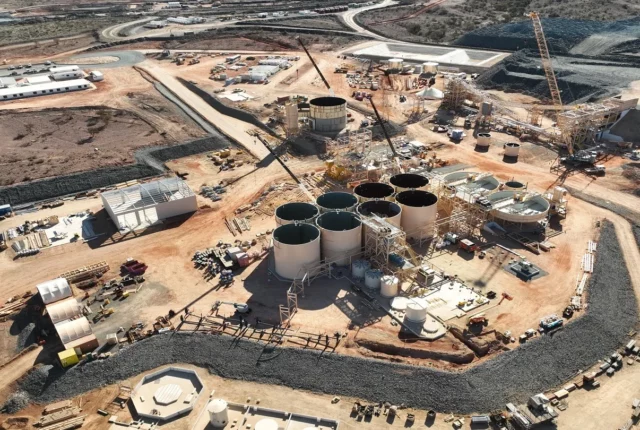
12 Dangerous Goods (DG) energy storage units from China to the Bellevue Gold Mine site in Sir Samuel, WA
Across the Ocean Shipping is proud to announce the successful delivery of 12 Dan

Brown Marmorated Stink Bug (BMSB) Season 2025-26
The Department of Agriculture have released the measures for Brown Marmorated St

Ensuring Safety in Hazardous Goods Transportation: Best Practices for Shippers
The transportation of hazardous goods poses a significant risk to the environmen
