




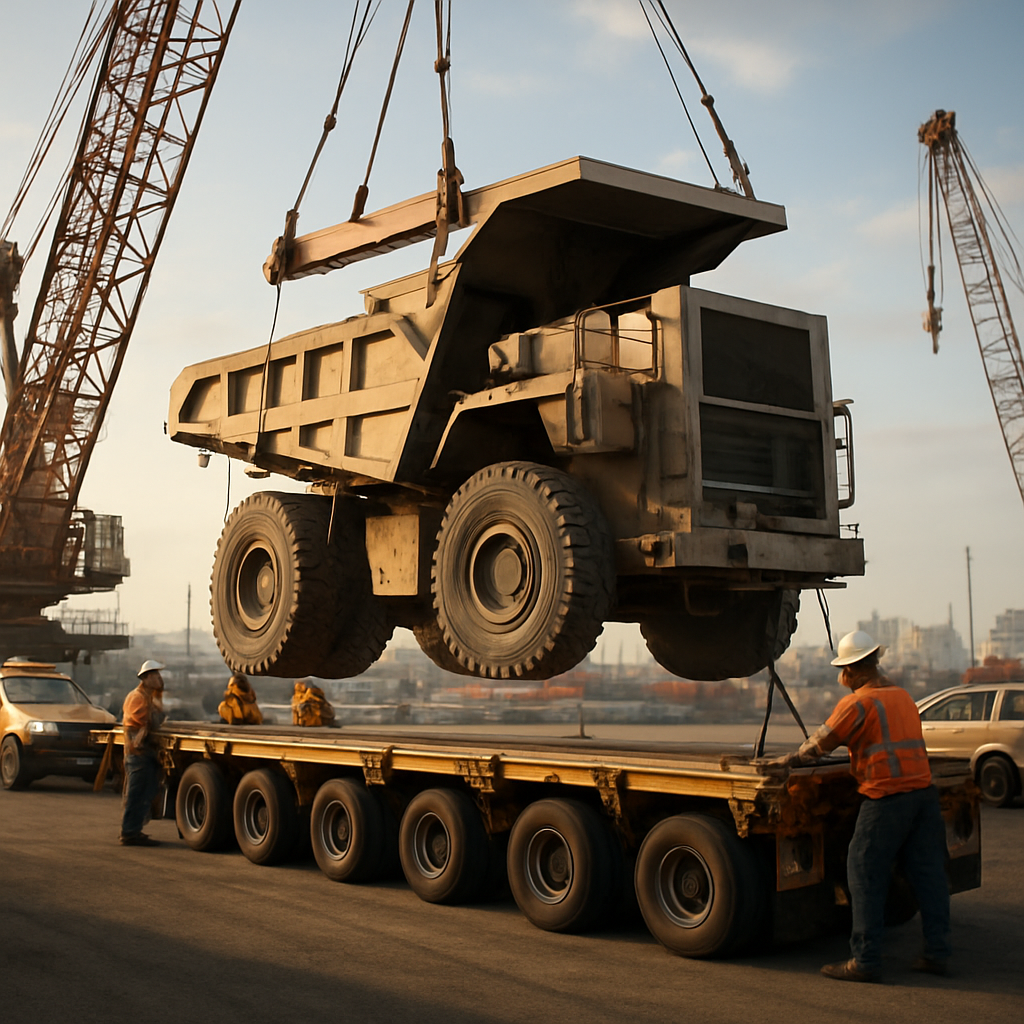
Mining Equipment Transport: Key Considerations for 2026
Mining equipment transport is a critical part of keeping Australian mining operations running safely and on schedule. As fleets grow larger and regulations tighten towards 2026, operators need a clear understanding of compliance, planning, and risk so that every move protects people, assets, and production targets.
What is involved in mining equipment transport?
Mining equipment transport typically covers excavators, haul trucks, draglines, crushers, and modular process plants that qualify as Oversize Overmass (OSOM) loads. These moves demand detailed engineering, route assessment, and coordination between fleet owners, transport providers, and site teams. In complex project logistics supply chains, even a single missed requirement can delay shutdowns or commissioning. Integrating transport planning into broader supply chain management helps align delivery dates, laydown areas, and crane availability.
Regulations, safety, and chain of responsibility for 2026
By 2026, regulators are reinforcing chain-of-responsibility laws so that consignors, operators, and site managers may all be liable for non-compliant loads. Each state and territory in Australia applies different OSOM mass and dimension limits, so permits must be checked for every leg of the journey. Effective heavy haul transportation planning also relies on robust fatigue management and accredited pilot vehicles. When assessing transportation solutions, confirm how your provider audits driver competency, load restraint, and documentation across all subcontractors.
Route planning, risk management, and remote delivery
For long mining corridors, route planning must consider bridges, pavement strength, tight intersections, overhead lines, and rail crossings, as well as seasonal flooding. A complex freight management strategy should include swept-path analysis, pre-move route surveys, and contingency routes for road closures or weather disruptions. Remote site delivery logistics often require staging areas, escort coordination, and community notifications for night moves. The National Heavy Vehicle Regulator provides useful guidance and tools for OSOM moves at https://www.nhvr.gov.au/.
Technology, sustainability, and equipment trends
Telematics, real-time tracking, and digital consignments are now standard for mining equipment shipping services, giving operations teams live visibility of schedule risk and delays. Some regions are moving autonomous or remotely operated equipment, which can demand specialised industrial freight forwarding and additional cyber-security controls. More miners are also seeking end-to-end project cargo solutions that minimise emissions through optimised routing, fuel-efficient fleets, and better back-loading. When comparing providers, ask how they measure and report emissions across Project Logistics to support your ESG reporting.
Selecting the right partner for oversized machinery transport options involves more than comparing rates. Look for proven experience in freight forwarding services for similar equipment, including insurance arrangements and claims support. Ask for examples of remote relocations where they delivered reliable mining transportation solutions under tight shutdown windows. Understanding their approach to heavy haul transportation planning will clarify how they manage risk, including escorts, communications, and incident response. For further background on best practice freight movements, the Australian Government’s infrastructure and transport resources offer useful reference material at https://www.infrastructure.gov.au/.
To make informed decisions, mining operators should map their upcoming moves, identify high-risk legs, and engage a specialist early to shape scope and budget. A capable partner can explain remote site delivery logistics in plain terms, outline realistic lead times for permits, and coordinate with your shutdown or construction schedules. If you are planning major equipment moves towards 2026, consider speaking with a logistics expert to review your current plans, test assumptions, and explore safer, more efficient oversized machinery transport options before committing to final dates.

Related posts

Op-Ed: China Headed for a Major Recession
The risk of China spiralling into an unprecedentedly prolonged recession is incr

The Latest Victim of the Tariff War: Free Shipping Takes a Hit
Retailers are cutting back on free shipping to offset the steep costs of tariffs

Late Arriving Containership Delays Hit Pandemic Highs
The average delay for containerships behind schedule has continued to increase i
