




Containerised Coastal Shipping: Benefits for Modern Businesses
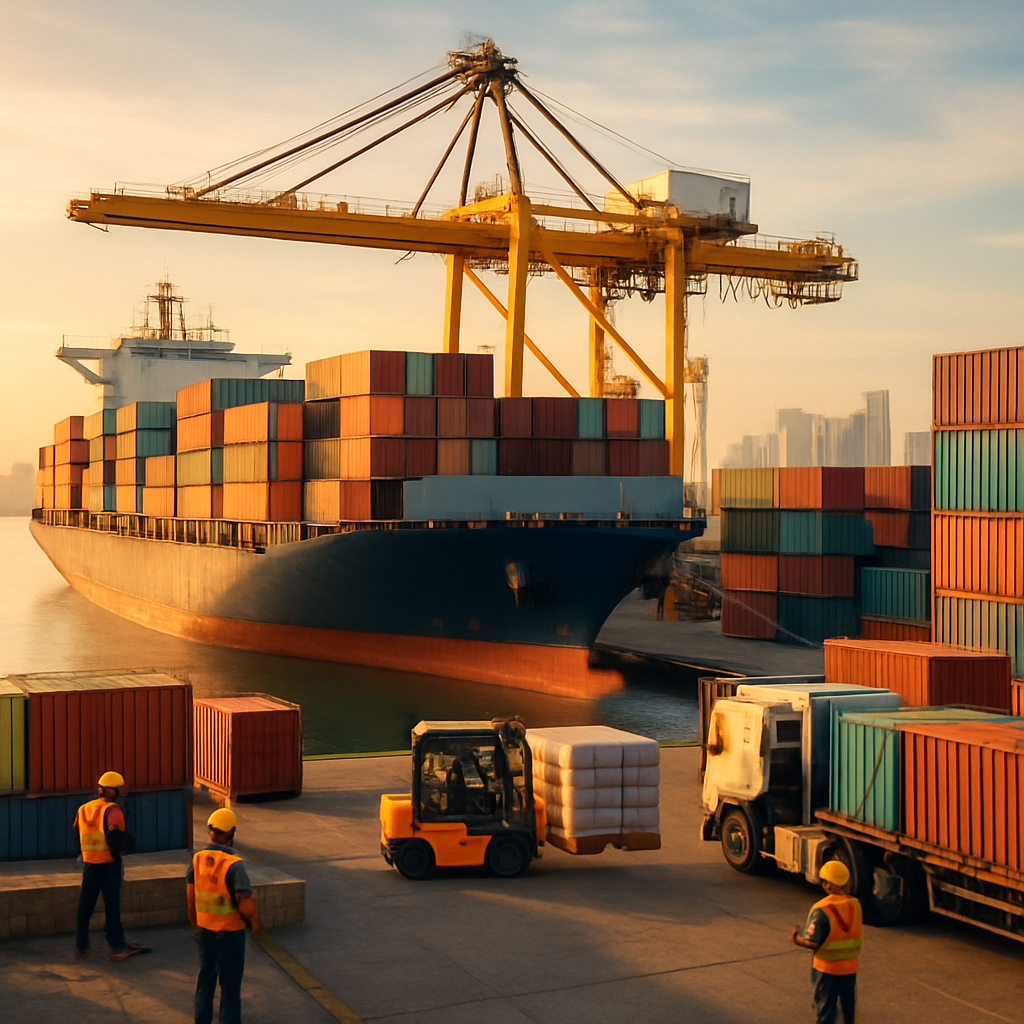
Containerised coastal shipping is reshaping how Australian companies move freight between major ports, offering a cost-effective and sustainable alternative to long-haul road transport. By moving goods in standard containers along containerised domestic sea routes, businesses can tap into reliable capacity while supporting emissions-reduction and resilience goals across their supply chains.
What Is Containerised Coastal Shipping?
Containerised coastal shipping refers to moving freight in sealed containers between ports within Australia, typically along coastal interstate freight routes linking Melbourne, Sydney, Brisbane, Adelaide and Fremantle. Containers can be loaded at the origin facility, transported by sea, then transferred to road or rail for final delivery. Because the same container standards are used worldwide, this approach connects smoothly with import and export activities via a national coastal freight network.
Key Business Benefits and Use Cases
For high-volume shippers, business-friendly coastal shipping can lower total transport costs compared with running multiple long-distance truck movements. Sea freight generally offers better fuel efficiency per tonne-kilometre, which helps reduce greenhouse gas emissions and align with ESG reporting expectations. It also reduces highway congestion and safety risks by shifting heavy vehicles off busy freight corridors, while still maintaining predictable transit times for planned, non-urgent cargo.
How Containerised Coastal Shipping Works in Practice
In a typical movement, freight is packed into containers at the warehouse or factory and transported to the port under door-to-port interstate shipping arrangements. Containers are then loaded onto a coastal vessel following scheduled interstate shipping services. On arrival at the destination port, containers are collected by truck or rail for local delivery options into distribution centres, retail outlets or final customers. Providers such as Domestic & Coastal coordinate schedules to align with international vessels and domestic inventory needs.
When Is Coastal Shipping the Right Choice?
Coastal freight solutions are ideal for businesses with regular, predictable flows of goods that are not extremely time-sensitive, such as retail replenishment, manufacturing inputs, or agricultural and resource products. They work especially well within multimodal interstate freight options, where integrated sea and road delivery is planned in advance. Shippers should assess freight volumes, port access, storage capacity, and cut-off times to confirm whether this mode suits their lead times and service expectations.
However, coastal shipping is not always the best fit for urgent loads, very short distances, or freight moving to locations far from ports that rely on flexible regional freight delivery. Transit times may be longer than direct linehaul road, and port charges, stevedoring and landside handling must be considered in total landed cost calculations. To understand environmental benchmarks and best practice in maritime emissions, shippers can review guidance from the International Maritime Organization at https://www.imo.org. To make an informed decision, compare scenario costs, service levels and risk profiles, then speak with a transport expert about tailoring coastal freight within your broader logistics strategy.

Related posts
Evergreen Finally Made It to Port: Suez Canal Update
The Evergreen, the container ship that blocked the Suez Canal for days and disru
Hyundai Develop Rotor Sail Design For Eco-Friendly Ship
Based in South Korea, Hyundai has been developing a revolutionary rotor sail des
Container Shipping Prices Skyrocket as Rush to Move Goods Picks Up
Prices to ship containers from Asia to the U.S. and Europe are rising at a histo
