





Documentation Requirements for Shipping Dangerous Goods in 2026
Documentation requirements for shipping dangerous goods in 2026 are tightening across Australia as regulators align more closely with international standards. Whether you export by air, sea or move cargo domestically, you must understand how the 2026 rules affect your operations and paperwork. Clear, accurate documentation is now central to chemical cargo compliance rules, incident prevention and protecting your organisation from penalties.
Understanding documentation requirements for shipping dangerous goods in 2026
In 2026, documentation requirements for shipping dangerous goods in 2026 are driven by three main frameworks: the IATA Dangerous Goods Regulations for air, the IMDG Code for sea, and the Australian Dangerous Goods Code for road and rail. Each framework specifies how to describe the product, what statements to include, and how long records must be kept. Aligning your internal templates with these rules is essential to support dangerous materials handling and demonstrate due diligence during audits or inspections.
Key documents for air, sea and road transport
For air freight, shippers must prepare a Shipper’s Declaration consistent with the current IATA DGR, ensuring every entry matches the package marks and labels. For sea freight, a dangerous goods transport document and verified gross mass statement are mandatory, supporting safe chemical logistics operations and stowage decisions. Domestic road and rail movements require consignment notes, emergency information, and correct vehicle placarding. Together, these records underpin regulations for hazardous shipments and allow authorities and carriers to understand risks quickly.
Essential data and description standards
Every shipment must list the UN number, proper shipping name, class or division, packing group, quantity, and packing instruction in the specified sequence. Accurate emergency contact details and any special provisions are also required to support dangerous goods safety procedures and timely response. Consistency across all forms reduces delays and helps ensure compliant chemical freight documentation. To check specific description rules and limited quantity options, many Australian operators refer to guidance from the Australian Maritime Safety Authority at https://www.amsa.gov.au.
Training, responsibilities and avoiding common errors
Authorities expect that all parties involved with Hazardous Goods receive role-specific training and that records are maintained for verification. Training should cover hazardous materials transport procedures, safety protocols for transport, and mode-specific documentation rules. Common errors include using outdated codes, omitting the proper shipping name, or entering mismatched details between declarations and labels. Implementing robust chemical transport best practices, including dual checks before lodgement, significantly reduces the risk of shipment refusal and enforcement action.
Before booking any movement, review which mode applies and confirm the exact shipping regulations for chemicals that govern your cargo. Map your internal workflows against current dangerous goods logistics guidelines and update work instructions where gaps exist. Periodic audits of forms, templates and record-keeping systems help maintain compliant, safe operations as rules evolve. To deepen your understanding and strengthen safe chemical logistics operations, compare your processes with current codes and seek expert advice on documentation requirements for shipping dangerous goods in 2026.

Related posts

Essential Permits and Certifications for Hazardous Goods Transport
Understand essential permits and certifications for Hazardous Goods transport in

2026 Dangerous Goods Classification: What You Need to Know
Stay ahead of 2026 Dangerous Goods classification changes in Australia. Learn th
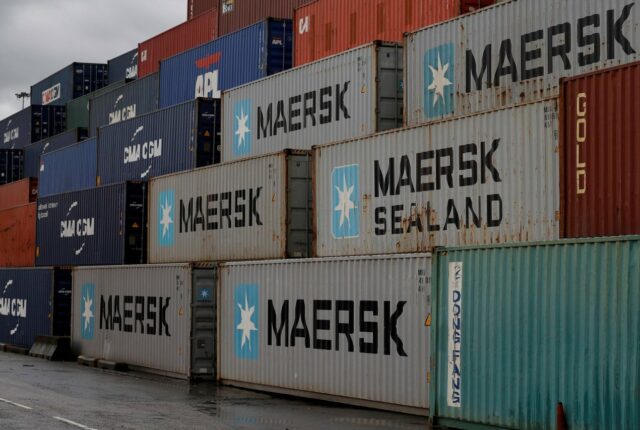
Toxic Waste on Maersk and MSC Ships Bound for Thailand to Be Returned to Europe
Aug 18, 2024 (Bloomberg) –Shipping containers bound for Thailand allegedly fil
