




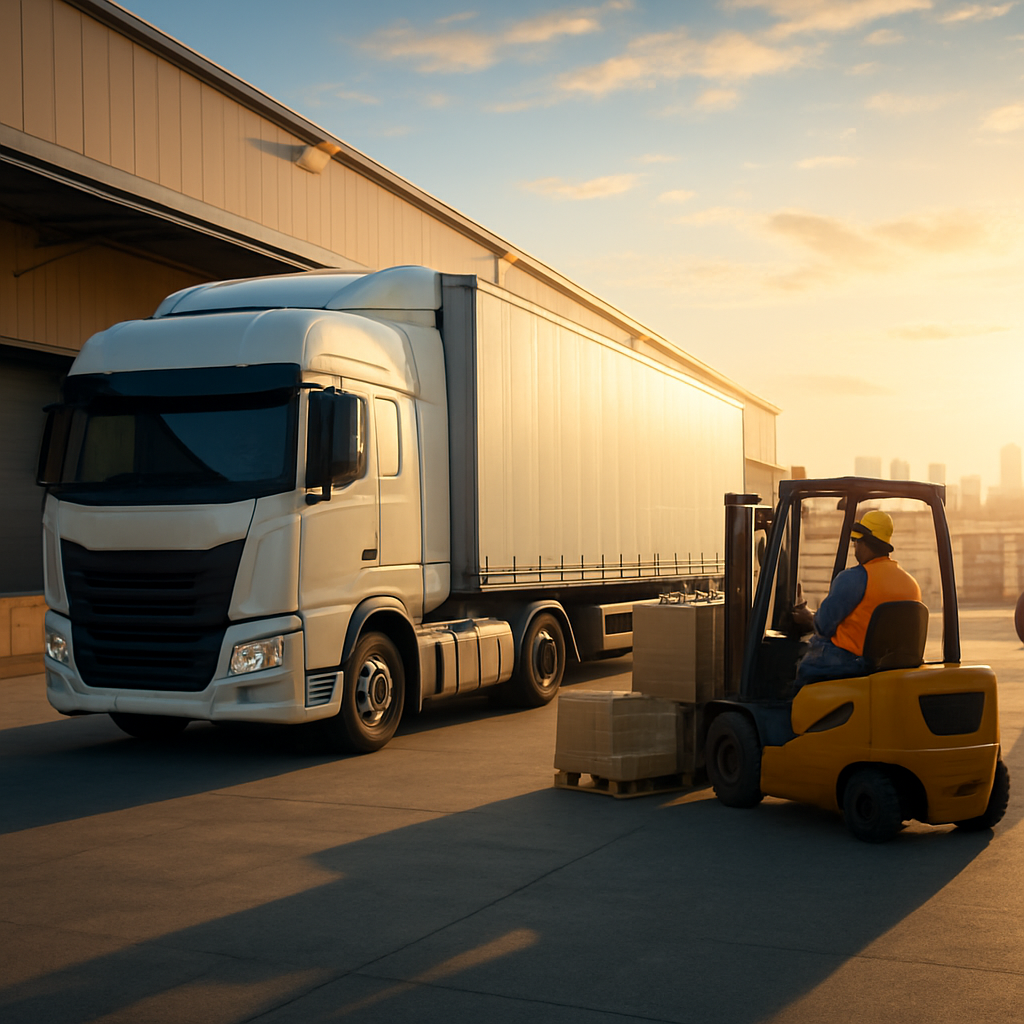
Door-to-Port Transport: What You Need to Know
Door-to-port transport in Australia connects exporters to major gateways such as Sydney, Melbourne, Brisbane, Fremantle and Adelaide, yet it remains one of the least scrutinised parts of the export chain. This gap is risky: small errors in planning or execution between your warehouse and the terminal gate can trigger missed sailings, spiralling charges and compliance exposure. For many shippers, the problem is that door-to-port transport looks deceptively simple compared with ocean freight, so it receives less attention, fewer controls and minimal data.
- Unexpected detention and demurrage fees eating into export margins
- Frequent last-minute truck rescheduling and blown time slots
- Inconsistent transit times on the same lanes or customers
- Heavy manual chasing of carriers by phone and email
- Limited visibility once cargo leaves your site for the port
Door-to-port transport in Australia: the overlooked weak link
The primary risk with door-to-port transport in Australia is that exporters focus on ocean rates while ignoring the complexity on the road. Long distances, regional road constraints and congestion around capital city ports all increase the chance of delays and cost blowouts. When planning is loose or left entirely to carriers, businesses lose control over cut-off times, staging points and contingencies. Over time this can create a pattern of “near misses” that only becomes visible once margins start eroding.
How hidden problems show up in daily operations
Operational symptoms often appear first in scheduling and communication. Teams find themselves rebooking trucks, chasing updated ETAs and negotiating with terminals for late receivals. Inaccurate weights or dimensions may see containers rejected or reconfigured at the last minute, undermining even well-designed freight transportation services. Misaligned paperwork between shipper, carrier and forwarder adds another layer of friction, with small data errors cascading into delays at depots or port entry points.
Compliance, safety and Chain of Responsibility pressures
Beyond reliability, there is a growing compliance dimension to door to port shipping services under Australia’s Chain of Responsibility laws. Exporters share legal responsibility for verified weights, safe loading and appropriate vehicle selection, not just the trucking companies. The National Heavy Vehicle Regulator’s guidance on mass, dimension and fatigue management makes clear that informal or undocumented processes are no longer acceptable, and detailed requirements can be reviewed via the National Heavy Vehicle Regulator website at https://www.nhvr.gov.au.
Why traditional assumptions no longer hold
Many exporters still assume that a single carrier, preferred driver or simple email trail is enough to manage the door-to-port leg. This mindset underestimates the complexity of road freight transportation in a high-volume, time-sensitive export environment. As container volumes rise and terminals tighten slot management, ad hoc road based logistics solutions struggle to cope. Businesses relying on informal arrangements often lack reliable data on transit times, queuing, staging and terminal performance, making it difficult to pinpoint where delays actually occur.
Early warning signs include rising accessorial charges, inconsistent performance by lane and growing pressure on staff who coordinate trucks. If planners are stitching together logistics and shipping solutions manually across multiple depots and ports, the process is already fragile. Road Freight capacity constraints, urban congestion and labour shortages further heighten exposure, particularly where there is no backup plan for peak periods or vehicle breakdowns. Overlooked issues here can quietly compromise broader business cargo delivery choices and long-term customer confidence.
Exporters reviewing their supply chain should map every leg of the door-to-port journey, including staging yards, depots and documentation handovers, and compare actual versus planned transit times and costs. This clarity makes it easier to explore more resilient cargo delivery options, door to door cargo transport combinations or customised freight logistics with specialist advice. Before the next peak season, consider speaking with an independent logistics expert to stress-test your current setup, identify weak links and design a more robust door-to-port strategy that protects both margins and relationships.

Related posts
The Role of Artificial Intelligence in Road Freight Optimization
The logistics industry plays a vital role in the global economy, ensuring the ef
Highway to Growth: The Economic Impact of Road Freight
Road freight plays a crucial role in the economic development of countries aroun
Impact of E-Commerce Growth on Logistics Companies
The impact of e-commerce growth on Logistics companies in recent years has been
