




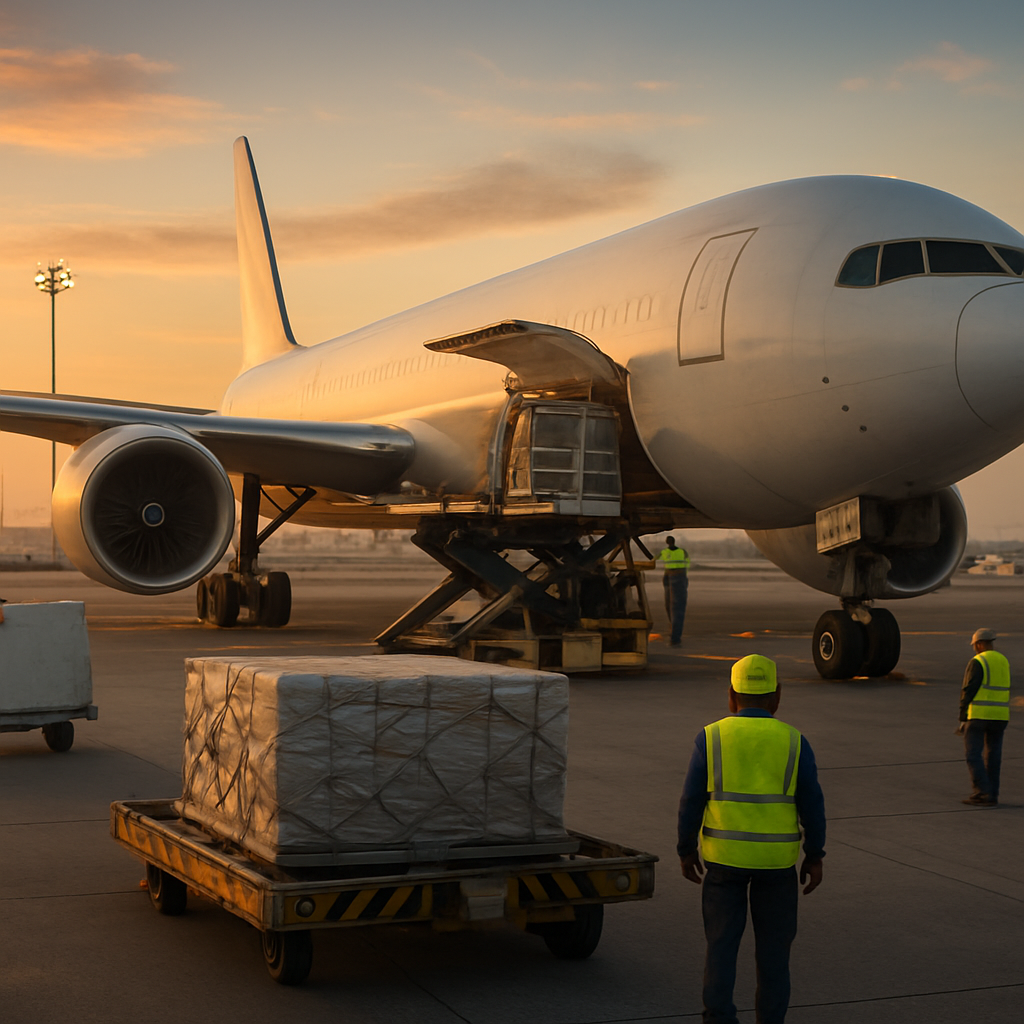
Chartered Air Freight Services: Fast Solutions for Critical Shipments
Chartered air freight services are increasingly central to how Australian businesses manage risk, protect revenue, and keep critical operations running. As supply chains face frequent shocks, from weather disruptions to geopolitical tension, relying solely on scheduled capacity is no longer sufficient. Organisations handling high-value components, medical supplies, or remote-site equipment now treat charters as a strategic tool, not a last resort. The question is shifting from whether to use charters, to how thoughtfully they are integrated into broader logistics design.
In an era of persistent disruption, chartered air freight services are less about speed alone and more about building resilient, controllable supply chains that protect critical outcomes.
For executive teams, the strategic value of charters lies in their ability to decouple critical flows from the vulnerabilities of traditional Air cargo networks. Dedicated aircraft, bespoke routings, and tailored handling profiles allow businesses to align uplift precisely with operational priorities. This is particularly powerful for industries with high downtime costs, where a single grounded production line or delayed mine shutdown can erase the apparent cost saving of slower modes many times over.
Chartered air freight services as a risk and resilience lever
When structured correctly, chartered air freight services act as a contingency layer sitting above everyday Air freight arrangements. Rather than waiting for a crisis, leading organisations pre-define charter triggers such as inventory thresholds, production delays, or port congestion indicators. This approach transforms charters from reactive firefighting into a planned risk-management instrument, supported by clear governance, pre-approved budgets, and scenario-based playbooks.
Designing smarter charter strategies for Australian supply chains
Effective charter strategies begin with rigorous lane mapping and segmentation. Not every shipment warrants premium uplift; the focus should be on genuinely time-critical lanes where alternative Air freight solutions or expedited sea and road options cannot meet service or safety requirements. Australian operators are increasingly using chartered air cargo services to connect remote mining and energy sites, overlaying scheduled International air freight with flexible, mission-specific uplift when weather, industrial action, or infrastructure constraints threaten continuity.
Management teams should also challenge traditional assumptions about cost. While charters carry a visible premium, they can materially reduce hidden costs tied to buffer inventory, contractual penalties, and lost sales. In some cases, time-critical air freight solutions allow businesses to rationalise warehouse footprints and rebalance stock closer to demand, supported by reliable door-to-door air freight or even express international air freight for specific SKUs. This reframes charters as an enabler of leaner, more responsive operating models, not just an emergency expense.
As global air freight logistics continues to evolve, access to robust market data is essential. Resources such as the International Air Transport Association’s air cargo annual review provide valuable insight into capacity trends, yield pressures, and regulatory developments that influence urgent international air cargo planning. Now is the time to reassess how you move critical cargo: stress-test your continuity plans, define clear charter deployment rules, and speak with a logistics expert to embed chartered strategies that support your next critical shipment and strengthen resilience for the long term.

Related posts
High-Flyer’s Guide: Navigating Peak Seasons in Air Freight
Air freight, a critical component of global logistics, experiences peak seasons
Operational Disruptions in the Middle East
Due to the rapidly evolving situation in the Middle East our network of logistic
Freight Forwarders vs. Airlines: Choosing the Right Partner for Air Cargo
In the world of air cargo logistics, one of the most critical decisions you̵
