




Import Customs Clearance: Key Changes and Best Practices
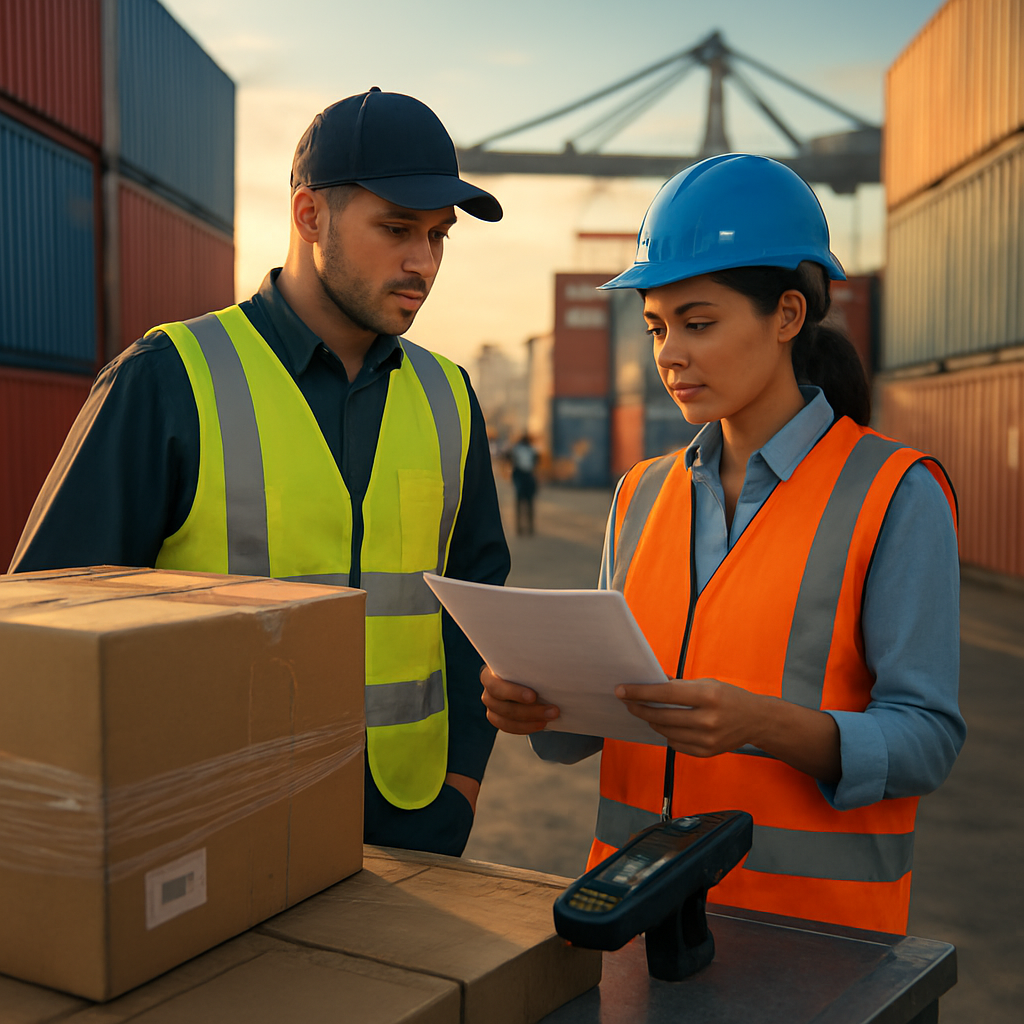
Import Customs Clearance in Australia has shifted from a routine back-office task to a critical risk and cost control point for importers. Rising biosecurity charges, tighter product bans and more complex trade rules mean businesses need structured solutions, not ad hoc fixes. Understanding the available options helps you keep goods moving while staying on the right side of import export regulations and cost recovery changes.
Import Customs Clearance: What’s Changing and Why It Matters
The Australian Border Force and the Department of Agriculture, Fisheries and Forestry now apply closer scrutiny to declarations, tariff classifications and biosecurity information. Increased charges on Full Import Declarations and most Self-Assessed Clearance lodgements are reshaping landed cost models. At the same time, new duty-free tariff lines and bans on vaping products and forced-labour goods are tightening the customs documentation process and raising the stakes for incorrect data or poorly controlled brokers.
Comparing Clearance Options and Digital Workflows
Importers can choose between formal import declarations for cargo above AUD 1,000 and SAC declarations for low-value consignments, with each option having distinct customs filing requirements and cost implications. Digital broker portals and integrated freight systems now support end-to-end workflows, from tariff classification to biosecurity directions. The best solutions embed a customs documentation checklist, valuation logic and rules for when to claim trade preferences, helping teams navigate global import export rules without relying solely on manual judgement.
Designing a Compliance-First Import Strategy
A structured approach starts with mapping your product range against new duty-free headings, FTA opportunities and any heightened cross-border shipping regulations that apply to sensitive goods. From there, importers should document clear import shipment compliance steps, including who validates origin data, who reviews valuations and how exceptions are escalated. Larger organisations often build centralised trade compliance documentation frameworks aligned to international trade compliance standards, while smaller firms may lean on specialist brokers for targeted advice and periodic reviews.
- Use product master data to lock in correct tariff codes, valuation methods and country-of-origin settings.
- Implement workflow checks that flag high-risk commodities or routes for additional review before lodgement.
- Train staff on export paperwork and regulations where goods move both ways across the border.
- Schedule regular internal audits to test international shipping compliance and identify error patterns.
- Monitor official updates via the Australian Border Force website for evolving rules and guidance.
Given the pace of regulatory change, many Australian businesses combine internal oversight with external expertise from licensed customs brokers and trade advisors. These specialists can benchmark your Customs Clearance model, stress-test your procedures against changing import shipment rules and help you interpret official resources such as the Australian Border Force working tariff pages at https://www.abf.gov.au. To explore your options and decide which mix of in-house capability and expert support best fits your risk profile, consider booking a consultation and reviewing your current processes end to end.

Related posts
Extension of Bio Security Measures for Cruise Ships Entering Australian Ports
Although COVID is tapering out, it is still present so an extension of bio secur
Seasonal Measures: Brown Marmorated Stink Bug (BMSB)
Seasonal Measures: Brown Marmorated Stink Bug (BMSB) It is important

Common Mistakes to Avoid in Customs Clearance
When it comes to customs clearance, making mistakes can be costly and time-consu
