



Hazardous vs Dangerous Goods: Key Differences Explained
Hazardous vs Dangerous Goods: Key Differences Explained for Australian businesses
Hazardous vs Dangerous Goods: Key Differences Explained
In Australia, the distinction between hazardous vs dangerous goods shapes how companies store, handle and move chemicals across their operations. Within the first steps of any compliance review, it is crucial to understand that dangerous goods are regulated under the Australian Dangerous Goods (ADG) Code, while hazardous chemicals fall under Work Health and Safety (WHS) laws. Both systems aim to protect people, property and the environment, but they focus on different types of risk. For operators managing warehouses, vehicle fleets or major worksites, clarifying these roles early can prevent compliance gaps, fines and insurance disputes.
What are dangerous goods under the ADG Code?
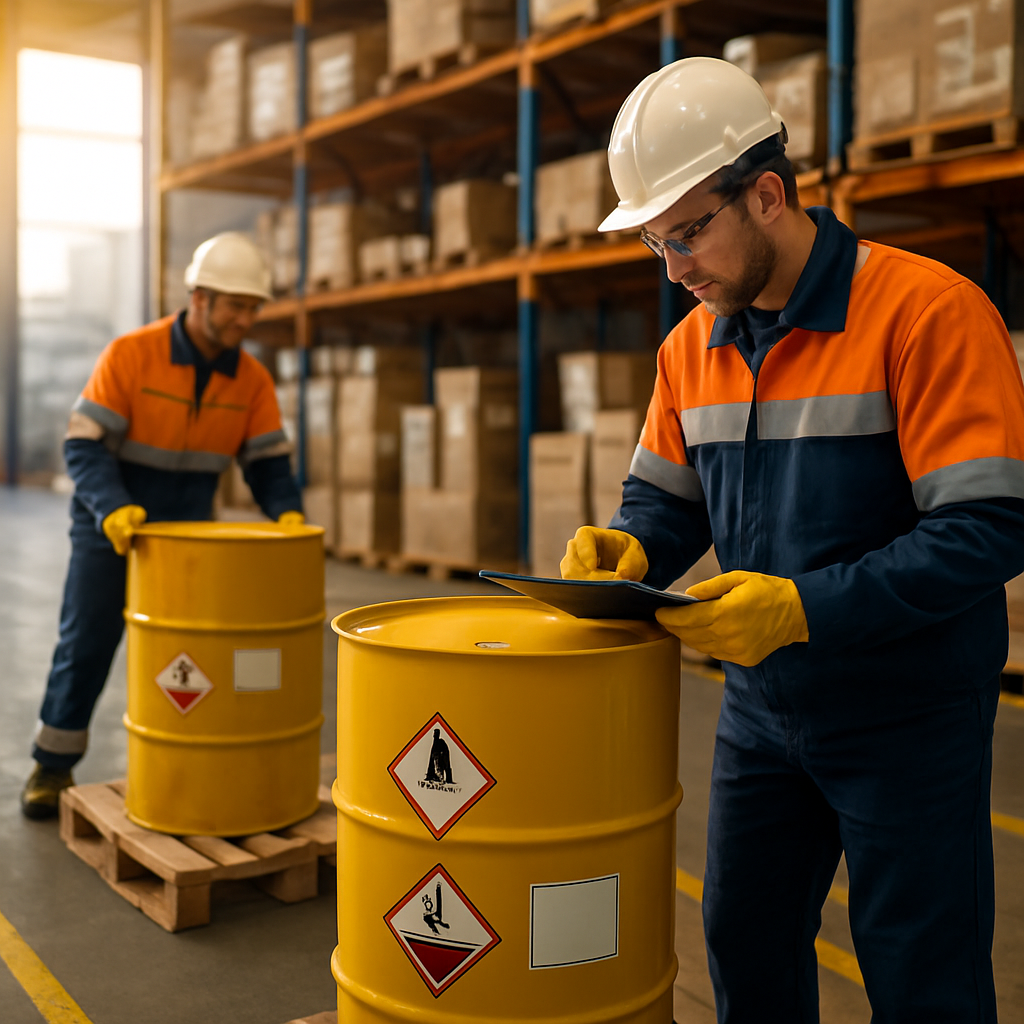
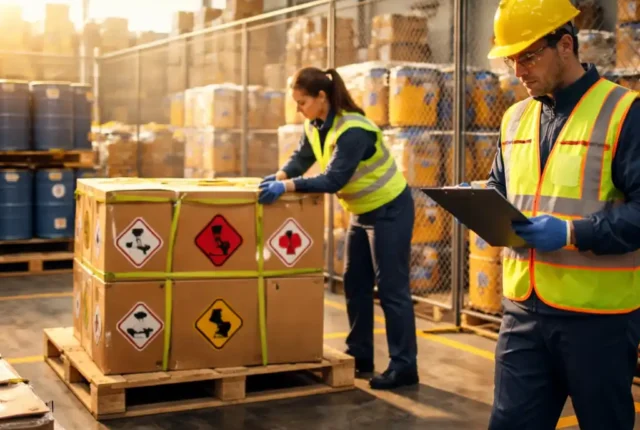
Dangerous goods are substances or articles that pose an immediate risk, such as fire, explosion or violent chemical reactions. They are grouped into nine classes, including explosives, flammable liquids, oxidising agents and corrosives, which underpin packaging, labelling and segregation requirements. These rules drive dangerous goods handling procedures in road freight depots, ports and intermodal hubs, and inform emergency response planning in the event of a spill or collision. Operators must also align with chemical cargo transport rules and broader shipping regulations for chemicals where sea or air legs are involved.
What are hazardous chemicals under WHS laws?
Hazardous chemicals are defined by their potential to harm health through inhalation, skin contact or ingestion, using Globally Harmonised System (GHS) criteria. They include substances that cause burns, poisoning, sensitisation, cancer or long-term respiratory disease, even where no transport risk exists. WHS duties emphasise risk assessments, ventilation design, personal protective equipment and training on hazardous materials safety guidelines. Safety Data Sheets, workplace exposure standards and clear labelling are central tools, and they must be integrated into broader risk management in dangerous goods logistics where chemicals move between sites.
Designing a compliant, practical approach
Because many products are both Hazardous Goods and dangerous goods, solutions need to join transport and workplace controls rather than treat them separately. Businesses typically start by mapping inventories, storage locations and transport routes, then checking labels and SDS for both ADG and GHS classifications. From there, they can develop safety protocols for transport, on-site storage and transfer, tailored to flammable, toxic or corrosive classes. Larger operators often adopt chemical freight safety standards that support multi-modal chemical transport compliance and regulatory requirements for hazardous cargo across state borders.
- Conduct a full inventory audit linking products to ADG classes and GHS health hazards.
- Update procedures to align with compliance for chemical shipments and on-site WHS duties.
- Use external references like Safe Work Australia’s chemical guidance (https://www.safeworkaustralia.gov.au/chemicals) to validate classifications.
- Integrate dangerous materials handling training into inductions and contractor management.
- Periodically test emergency responses to spills, fires and exposures across all depots.
For operators juggling complex chemical portfolios, specialist advice can streamline documentation, storage design and transport planning while reducing downtime. An expert can benchmark your systems against industry best practice, identify overlapping obligations and simplify how ADG and WHS requirements are applied day to day. If your business is expanding its chemical footprint or entering new markets, now is the time to review your frameworks and compare options. Speak with a qualified dangerous goods consultant or WHS advisor to assess your current controls, close any gaps and build a roadmap to safer, more compliant operations.

Related posts
Toxic Waste on Maersk and MSC Ships Bound for Thailand to Be Returned to Europe
Aug 18, 2024 (Bloomberg) –Shipping containers bound for Thailand allegedly fil
Hazardous Goods Transportation by Air, Sea, and Land: A Comparative Analysis
When it comes to transporting hazardous goods, safety should always be the top p
Understanding Hazardous Goods: A Beginner’s Guide for Shippers
Learn the essentials of handling Hazardous Goods in Australia, from classificati
