




Construction Cargo Logistics: Streamlining Your Supply Chain
Australia’s construction sector is under pressure from tight programmes, congested sites and volatile material costs. When construction cargo logistics is fragmented, delays, variations and safety incidents quickly erode margins. When it is coordinated, however, it becomes a lever to streamline supply chain management, stabilise budgets and keep critical paths on track.
1. End-to-End Visibility Across Every Load
Specialist platforms now offer live tracking from port to pour, with GPS, electronic proof of delivery and centralised dashboards. This visibility reduces manual chasing, cuts disputes and gives site teams confidence to lock in cranes, labour and road closures. For major contractors running multiple jobs, it also supports integrated logistics management across the whole portfolio.
2. Smarter Procurement and Supplier Coordination
Aligning procurement with construction cargo logistics allows you to consolidate orders, sequence deliveries and avoid costly part loads. Coordinating long-lead items, prefabricated modules and reinforcement steel to arrive just before installation keeps laydown areas clear and reduces damage and theft. It also strengthens relationships with suppliers by setting realistic windows and clear delivery rules.
3. Optimised Routes for Australian Conditions
Route-planning tools factor in mass limits, curfews, regional bottlenecks and last‑mile restrictions into CBD and hospital sites. Tailored transportation solutions can bypass congestion around busy ports and adjust for weather or bushfire risks. For remote projects, disciplined remote site delivery logistics ensures materials and equipment arrive safely, even on unsealed roads and seasonal access tracks.
4. Lean Inventory and Just-in-Time Delivery
By tying loads to programme milestones, construction teams can reduce on-site stock while maintaining continuity of work. This just-in-time approach frees cash, limits write‑offs from design changes and eases pressure on scarce storage. For high‑rise or inner‑city projects, fewer trucks queuing at gates improves safety and helps planners protect valuable crane time.
5. Safety, Compliance and Risk Management
A coordinated logistics plan specifies vehicle classes, loading standards and time slots, cutting congestion and manual handling exposure. Partners that understand Chain of Responsibility obligations help contractors stay ahead of audits and avoid penalties. Capturing data on dwell times and incidents also supports end-to-end transport planning and continuous improvement.
- Use Project Logistics oversight to align bids, programmes and delivery horizons.
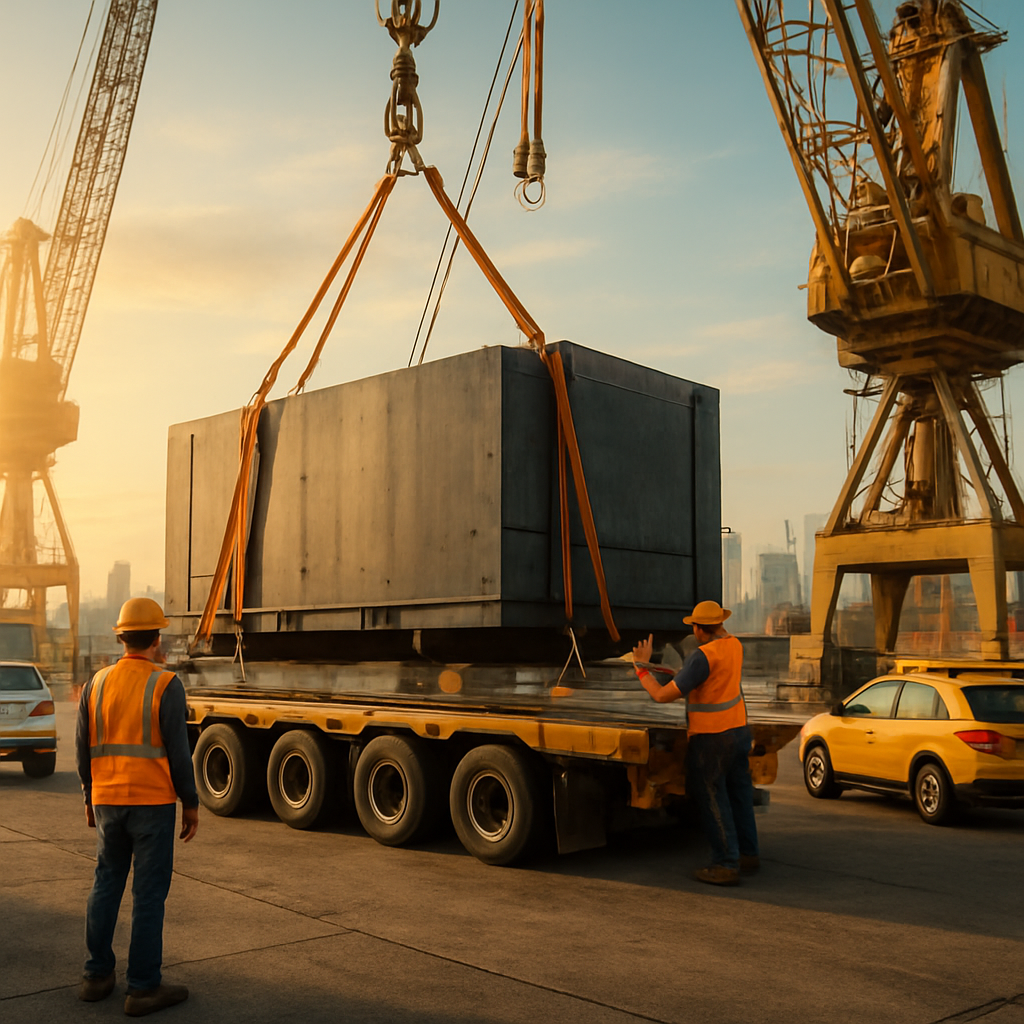
- Leverage industrial freight forwarding to manage oversized plant and structural components.
- Engage construction project logistics support early for remote or brownfield upgrades.
- Draw on specialised cargo transport solutions when handling fragile, high‑value equipment.
- Plan complex project freight services and heavy lift logistics coordination well before mobilisation.
For technical background on how logistics performance shapes productivity, Infrastructure Australia’s reports provide useful benchmarks at a national level: https://www.infrastructureaustralia.gov.au. If you are preparing a new data centre, health facility or renewable project, expert freight forwarding services and construction cargo logistics can turn freight from a cost centre into a competitive edge. Speak with a supply chain specialist today to review your current model and explore tailored logistics strategies that support safer delivery, predictable programmes and stronger tender outcomes.

Related posts
Green Shipping in 2026: Are Alternative Fuel Vessels Finally Delivering Real Results?
For years, green shipping and alternative fuels sounded like a distant promise

Transform our freight challenges: Urgent strategy needed
Building a “supply chain aware” nation will be essential if Australia is to
Safe Transport of 12 Dangerous Goods (DG) Energy Storage units from China to Western Australia
Across the Ocean Shipping is proud to announce the successful delivery of 12 Dan
