




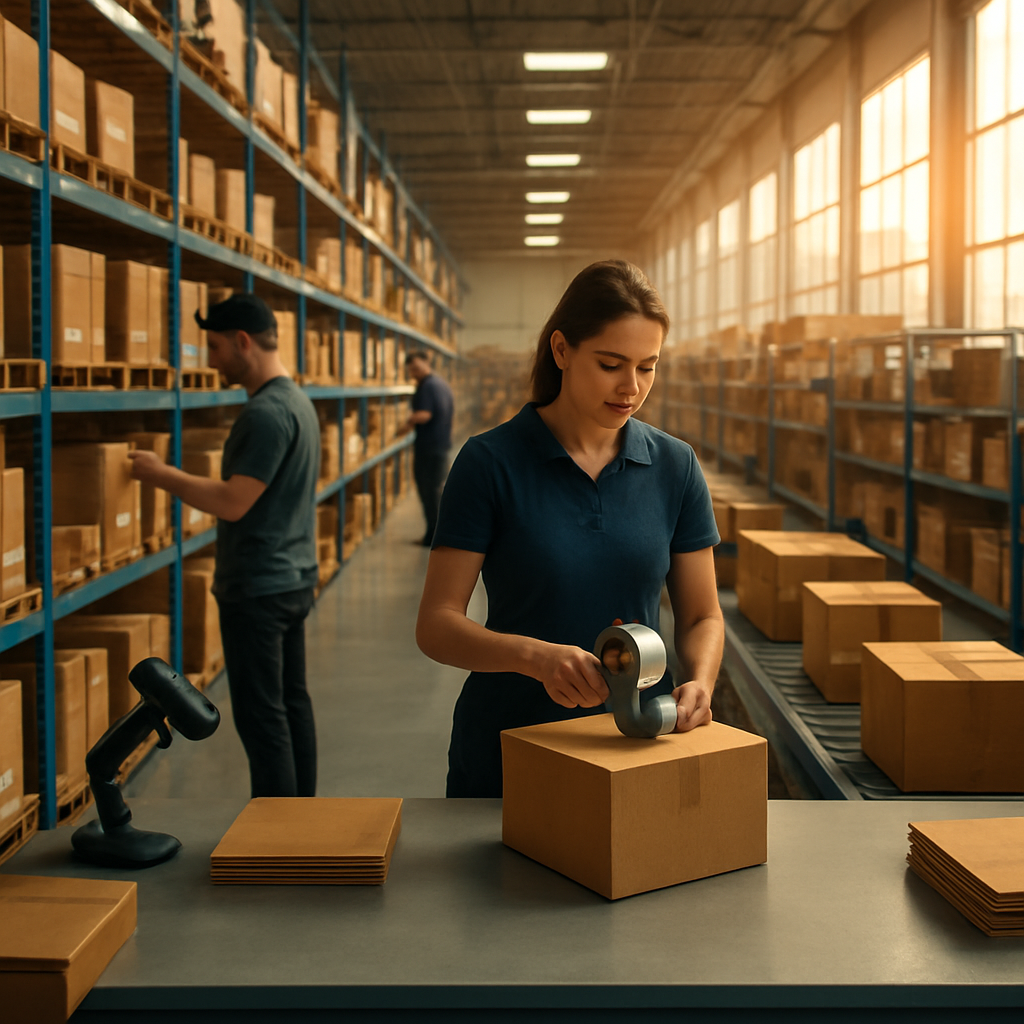
Factory-to-FBA Logistics: A Seller’s Guide to Efficient Shipping
Factory-to-FBA logistics can make or break an Australian seller’s margins, yet many brands only notice problems once stock is stuck at port or trapped in “receiving”. When the journey from factory floor to fulfilment centre is poorly coordinated, hidden risks compound across freight, customs, and strict Amazon rules. These inefficiencies quietly undermine promising products, leaving sellers paying more for less predictable supply.
- Unexpected delays at port or during customs clearance
- FBA shipments held up due to carton or pallet non-compliance
- Stock technically “in transit” but unavailable for sale
- Rising rework, storage, and emergency airfreight costs
- Fragmented data across suppliers, freight forwarders, and warehouses
Factory-to-FBA Logistics: A Seller’s Guide to Efficient Shipping
For Australian brands, the core problem is that no single party owns the full journey, leaving critical gaps in factory-to-FBA logistics solutions. Suppliers may pack to their usual export standards, freight forwarders chase the best rate, and nobody checks how this aligns with FBA requirements. Without a clear, unified plan, even experienced sellers can see otherwise healthy SKUs lose momentum due to stock-outs and longer delivery promises.
How Amazon Fulfillment Rules Turn Small Errors into Big Bottlenecks
Amazon fulfillment is governed by strict rules on carton dimensions, labelling, pallets, and shipment IDs, and non-compliance can trigger inbound rejections or lengthy investigations. For shipments from Asian factories into Australian warehouses, a mis-sized carton or missing barcode can see inventory sidelined for weeks. Sellers often blame the marketplace when Prime delivery slows, but the root issue is usually upstream in shipping logistics services and poor coordination.
Warning Signs Your Factory-to-FBA Chain Is Failing Quietly
Repeated discrepancies between shipped and received units, or frequent “investigations” into inbound stock, are early indicators that processes are fraying. Another red flag is an increasing gap between when containers arrive in Australia and when units become buyable, signalling weak warehouse management systems or manual workarounds. Rising customer complaints about delivery times, despite Prime badges, often point to fragmented inbound flows rather than marketplace negligence.
Where the Logistics Chain Breaks Down for Australian Sellers
Many problems can be traced to vague prep instructions for factories and last-minute freight bookings that ignore FBA-specific rules. Over-reliance on a single partner to juggle documentation, customs, and amazon-focused shipping logistics can backfire if they lack marketplace expertise. Without integrated warehouse management software, sellers struggle to maintain real-time warehouse inventory tracking, forcing reactive decisions, emergency airfreight, and costly short-term fixes.
Why You Need Better Oversight Before Scaling Your FBA Operations
As brands add SKUs or expand across marketplaces, small cracks in order processing solutions widen into major structural issues. Manual spreadsheets and ad hoc communication cannot keep pace with automated ecommerce order processing, fba-optimized warehouse workflows, and end-to-end fulfillment logistics services. Industry analysis from the Australian Competition and Consumer Commission on container shipping performance underscores how documentation and planning failures drive delays across the supply chain, making it critical to assess your current factory-to-FBA setup before the next growth push.
If your business is seeing rising rework charges, unpredictable lead times, or recurring inbound disputes, now is the time to review your FBA playbook. Audit supplier packing practices, clarify responsibilities across partners, and explore fba-friendly order processing tools that streamline freight booking and factory prep. Before your next production run, speak with a logistics specialist about factory-to-fba logistics solutions so you can diagnose weak points, protect your margins, and keep your bestsellers in stock.

Related posts

Palletization and Shipment Prep: Streamlining Your FBA Process
Learn how correct palletization and shipment prep can streamline Amazon fulfillm

Door-to-Door Delivery: Simplifying Shipments to Amazon Fulfillment
Door-to-door delivery to Amazon fulfillment centres in Australia hides complex r
Understanding Amazon FBA Basics: Key Insights for Sellers
Learn the Amazon FBA basics, key costs, compliance tips and when to seek expert
