





Flexible Warehousing: Adapting to Changing Market Demands
Flexible warehousing is quickly becoming a strategic issue for Australian businesses facing volatile demand, rising costs and constrained industrial space. Yet many organisations still manage storage as if volumes, channels and customer expectations were stable. This gap between modern trading conditions and old operating models is creating hidden risks that undermine profitability, service levels and long‑term competitiveness.
- Seasonal inventory tying up premium space year‑round
- Frequent reliance on last‑minute overflow facilities
- Congested aisles and slow order picking during peaks
- Difficulty launching or scaling direct‑to‑consumer channels
- Staff resorting to ad‑hoc storage workarounds that erode accuracy
Flexible Warehousing: a growing problem for rigid networks
In a market where online sales, returns and promotional events can shift volumes overnight, fixed, multi‑year leases assume a predictability that no longer exists. Businesses locked into inflexible footprints often carry excess safety stock, run sub‑optimal transport routes and miss chances to improve supply chain efficiency. The result is higher operating costs and slower response times just as customers expect faster, more reliable delivery.
Warning signs your storage model is holding you back
Many operators only recognise the issue when peak season strains their facilities beyond capacity. Regular pallet overflow to external yards, rising labour overtime, and growing mis-picks are early indicators that existing warehouse inventory strategies are not coping with demand variability. When teams start double‑handling pallets or repurposing staging areas for long‑term storage, it signals that current inventory storage options are no longer fit for purpose.
What drives the need for more flexible capacity
E‑commerce growth, population shifts and tight industrial vacancy are forcing businesses to rethink how they plan space and Warehousing across metropolitan and regional networks. Organisations are exploring demand-driven storage solutions, scalable inventory capacity and shared facilities to limit long‑term commitments. Combined with better real-time supply chain visibility and flexible logistics management, these approaches can support more precise, location‑based stock placement and regional distribution efficiency.
The hidden costs of ignoring inflexible warehousing
Persisting with rigid facilities is not just a property decision; it erodes margins over time. Long travel distances, duplicated stock holdings and under‑utilised sites all work against cost-effective warehouse operations. There is also a people cost: congestion, manual workarounds and constant firefighting undermine safety and morale. For a broader view of how these pressures intersect with industrial capacity, the Australian Bureau of Statistics provides data that helps contextualise logistics management solutions within wider economic trends at https://www.abs.gov.au.
Australian businesses that treat storage as a strategic lever rather than a fixed cost base are better placed to adapt to shocks and growth. Reviewing your current network, testing secure inventory warehousing options and assessing how flexible warehousing could support future channels can prevent problems from compounding. Now is the time to map peak versus average volumes, identify bottlenecks, and speak with an expert about practical pathways to modern, resilient storage models before the next surge exposes the gaps.

Related posts
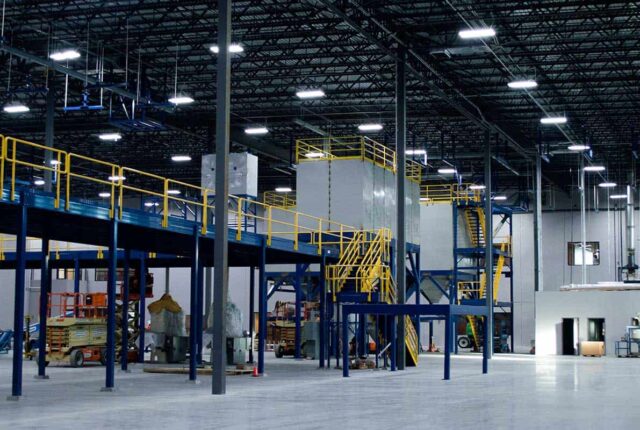
Warehouse Rents Surge on Bidding Wars for Scarce Space
In the U.S. warehouse rents surge as companies jockey for scarce distribution s
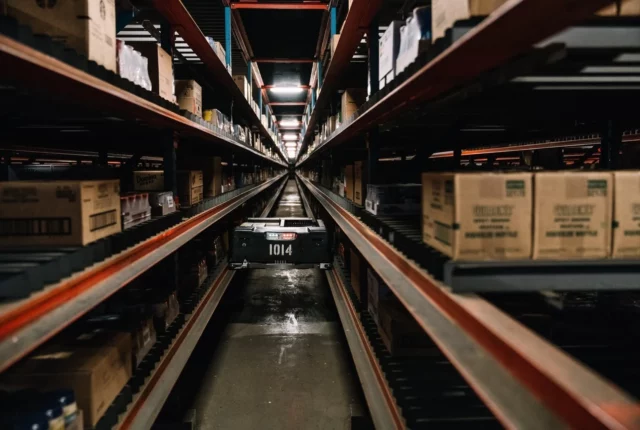
Dark Warehouses: The Nighttime Revolution in E-commerce Fulfillment
In the ever-evolving world of E-commerce, one term is making waves in the logist

Logistics Planning: 2 Effective Strategies to Optimize your Warehouse Capacity
Warehouse capacities play a crucial role in logistics planning, as they directly
