




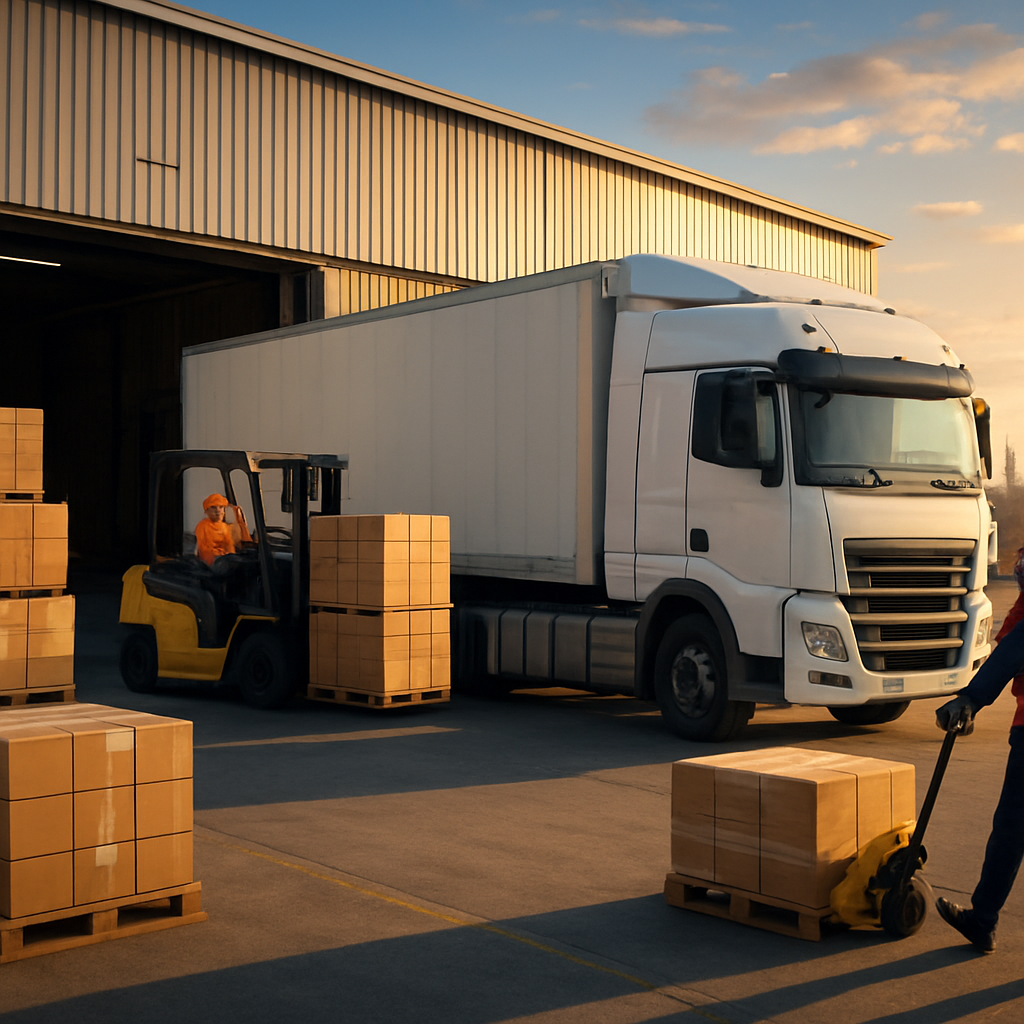
FTL vs LTL Freight: Making the Right Choice for Your Needs
Choosing between Full Truckload (FTL) and Less Than Truckload (LTL) is a key decision for Australian businesses comparing FTL vs LTL Freight. The right option can lower total transport costs, protect your goods, and keep customers satisfied with reliable delivery performance. Understanding how each model works will help you align your transport plan with your stock profile, service promises, and budget.
Understanding FTL vs LTL Freight
FTL means booking an entire vehicle for a single shipment, often used when you can fill most of the trailer or need strict control over timing. LTL combines freight from multiple customers in one vehicle, so you pay only for the space and weight you use. Both are core freight transportation services in Australia, but they suit very different shipment profiles and risk tolerances.
When Full Truckload (FTL) Is the Right Choice
FTL generally suits 10–24 pallets, bulky freight, or freight that is fragile, high in value, or sensitive to temperature. Because the vehicle runs direct from pickup to delivery, it reduces handling and supports time-sensitive cargo delivery on key lanes. Many businesses choose dedicated truckload freight services when they must meet tight retail delivery windows or manage consistent, high-volume flows between distribution centres.
When Less Than Truckload (LTL) Works Best
LTL is usually more economical for 1–6 pallets or irregular consignments that do not justify hiring a full vehicle. Freight moves through a depot network, where it is sorted and reloaded, enabling cost-effective trucking services through shared capacity. These flexible LTL cargo solutions are well suited to regional replenishments, smaller B2B orders, and online retailers needing regular but smaller freight movements.
Key Factors in Choosing FTL or LTL
Before deciding, assess shipment size, packaging quality, delivery deadlines, and how much handling your freight can tolerate. Businesses with strict service levels or specialised cargo delivery options may lean towards FTL, while those prioritising savings may use LTL on secondary lanes. Your mix of business freight shipping options should also reflect seasonal peaks, customer expectations, and the reliability of your existing logistics and shipping solutions.
Many companies use both FTL and LTL within a broader Road Freight strategy, switching modes by lane, volume, and urgency. A transport specialist can model different road freight transportation scenarios and help design door-to-door freight logistics that balance cost and risk. For further neutral guidance on Australian freight policy and planning, consult the Australian Logistics Council at https://www.austlogistics.com.au. Reviewing your data and asking informed questions will help you choose modes with confidence and improve cross-border road shipping where relevant.
To build a more resilient freight plan, analyse your current consignments, map lead-time requirements, and test alternative cargo mixes across your main corridors. This structured approach will help you choose between FTL vs LTL Freight on a shipment-by-shipment basis, instead of relying on habit or guesswork. If you are unsure, speak with a logistics expert who can review your freight profile and recommend tailored, evidence-based improvements.

Related posts
Full Truckload Shipping: Benefits and Best Practices Explained
Learn how Full Truckload shipping improves delivery reliability, cuts damage ris

How Automation is Transforming the Road and Rail Freight Industries
The road and rail freight industries are the lifeblood of global commerce, ensur

Maximizing Efficiency in Road Freight: Strategies for Streamlined Operations
In the fast-paced world of logistics and transportation, maximizing efficiency i
