




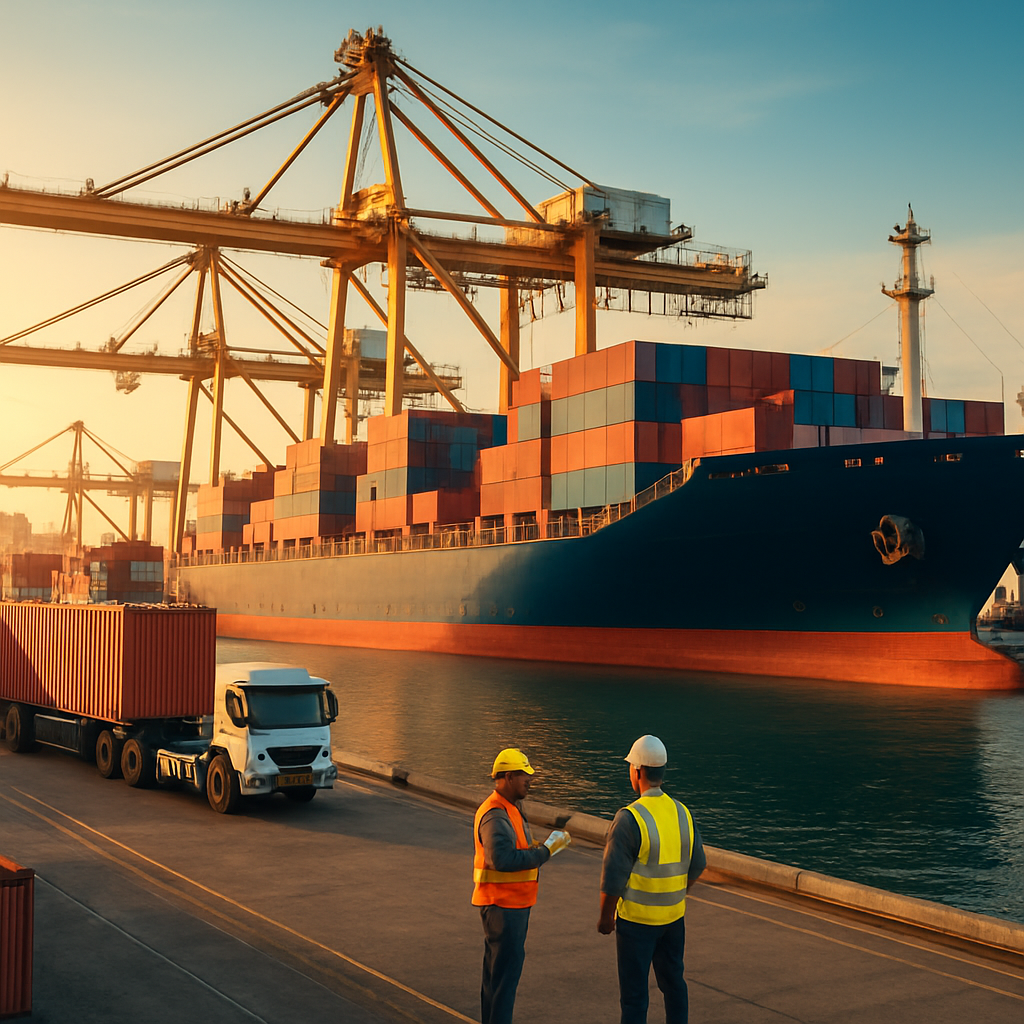
June 2026 Ocean Freight Rate Trends: What to Expect
June 2026 ocean freight rate trends for Australia are reshaping budgeting, inventory planning and contract strategies for many importers and exporters. Spot rates on key Asia–Australia routes have surged, with China–East Coast Australia pricing reaching almost USD 3,950 per 40HQ as capacity tightens. At the same time, indices such as the Shanghai Containerised Freight Index to Australia and global benchmarks from Freightos reflect widespread increases driven by early peak‑season demand, vessel schedule disruptions and geopolitical instability.
Key drivers of June 2026 ocean freight rate trends
The most immediate driver of higher pricing is the wave of blank sailings on China–Australia services, where close to 14% of June departures have been withdrawn. This is almost double the global average and has significantly reduced available capacity for containerised ocean transport services. Carriers are also applying General Rate Increases, Peak Season Surcharges and emergency fuel surcharges, which compound base rate rises. Together, these factors mean shippers must allow for longer lead times, higher landed costs and more active freight management.
How global disruptions are impacting Australian shippers
Geopolitical tensions around the Red Sea and Strait of Hormuz have forced many services to reroute, extending transit times and lifting bunker fuel expenditure. These changes affect not only Asia–Oceania trades but also global ocean shipping choices that connect Australia with Europe, the Middle East and North America. Domestically, the expiry of temporary fuel excise relief is expected to push up inland haulage and last‑mile delivery costs. As a result, businesses need clear visibility of their entire logistics chain, from port charges to warehouse handling.
Planning your supply chain and inventory strategy
Given these conditions, Australian supply chain managers are being urged to book shipments at least four to five weeks in advance to secure space and equipment. Understanding your full-service international freight management needs is essential when balancing spot versus contract rates. Many businesses are reassessing safety stock levels for critical items, particularly those sourced from China and broader Asia. Longer lead times may justify higher inventory holdings, but this must be weighed carefully against storage costs and cash‑flow constraints.
Practical steps to manage higher ocean freight costs
To navigate current volatility, start by mapping all surcharges and incorporating them into your landed cost calculations, including Sea Freight, customs, inland transport and insurance. Working with strategic freight forwarding partners can help compare international shipping options, explore alternative ports and identify cost-effective ocean shipping solutions for different trade lanes. External resources such as the Australian Government’s trade and logistics guidance on the Department of Infrastructure website provide useful background on regulatory and infrastructure considerations that influence ocean cargo services and long-term pricing.
Before committing to new contracts, consider which freight forwarding solutions align best with your demand profile, seasonality and risk tolerance. Discuss business-friendly sea freight options with providers that can offer end-to-end ocean freight services and reliable global freight solutions, not only ad‑hoc spot bookings. Ask for scenario analysis showing how changes in capacity, surcharges or delays would affect your inventory and customer service levels. If you are unsure where to begin, take the next step by speaking with a logistics expert who can review your routes, explain containerised ocean transport services in detail and help design a resilient, data‑driven shipping strategy for your business.

Related posts
2026 Top Ocean Freight Forwarders: Who to Trust
Compare 2026 top ocean freight forwarders, understand key differences for Austra
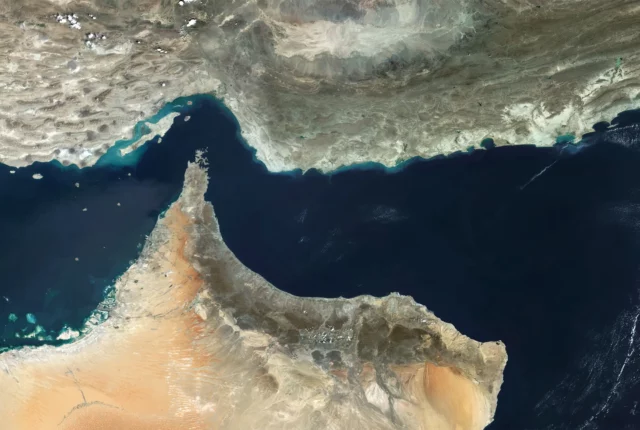
Middle East Shipping Update: Suspensions, Reroutes, War Risk
We would like to provide an important update regarding developments in the Mid
Beyond the Horizon: Sea Freight’s Role in Global Trade Expansion
In the vast landscape of global trade, the role of sea freight often takes cente
