





2026 Top Ocean Freight Forwarders: Who to Trust
In 2026, choosing among the 2026 Top Ocean Freight Forwarders is less about raw scale and more about which partner can keep your Australian supply chain predictable, transparent, and resilient. While global rankings highlight giants moving millions of TEUs, local importers and exporters need partners who blend international strength with on‑the‑ground problem solving. Understanding how leading providers differ in capability, technology, and local expertise is essential if you want dependable capacity without sacrificing service quality.
Understanding Today’s Ocean Freight Landscape
The 2026 Top Ocean Freight Forwarders operate in a market where schedule reliability still fluctuates and port congestion remains a risk. Rather than focusing solely on rates, Australian businesses now scrutinise reliability, exception handling, and responsiveness across their international shipping options. Providers that can demonstrate consistent performance on key trade lanes into ports such as Sydney, Melbourne, Brisbane, and Fremantle immediately stand out. This focus on predictable transit is shaping how shippers compare and shortlist potential partners.
What truly separates forwarders today is how they convert global carrier access into dependable ocean cargo services tailored to each client. High‑volume contracts help secure space in tight markets, but technology and operational discipline determine whether bookings actually sail on time. Leading teams offer integrated dashboards, automated documentation, and proactive alerts when vessels are delayed or rolled. For Australian businesses managing seasonal inventory or temperature‑sensitive goods, these capabilities are often more valuable than a marginally lower base rate.
- Schedule performance and transit‑time reliability on your primary trade lanes
- Depth of local Australian expertise in customs, biosecurity, and landside logistics
- Digital visibility and reporting across your chosen freight forwarding solutions
- Clarity around surcharges, detention, demurrage, and contract terms
- Strength of carrier relationships and flexibility during disruption or peak demand
How the 2026 Top Ocean Freight Forwarders Stand Apart
Among the 2026 Top Ocean Freight Forwarders, the most competitive differentiate themselves through data‑driven planning and tailored support for Australian trade flows. Rather than offering generic global ocean shipping choices, these providers map your volumes, seasonality, and equipment needs to specific carrier services and port pairings. This approach underpins more reliable international cargo routing, fewer rolled containers, and clearer expectations for your internal stakeholders and downstream customers.
Why Local Knowledge Still Matters for Australian Shippers
Local expertise is a critical advantage when navigating Australian quarantine rules, port operations, and domestic transport constraints. Teams who manage Sea Freight from Australia every day understand how inspections, industrial action, and weather events can affect delivery promises. They combine containerized sea freight services with domestic trucking and rail solutions to keep cargo moving. This integration often results in full-service ocean freight management that is harder to achieve when operations are controlled entirely from offshore service centres.
- End-to-end ocean freight solutions aligned with your stock and sales cycles
- Business-focused shipping options for complex, multi‑origin supply chains
- Customized freight forwarding plans built around your service and cost priorities
- Strategic sea freight solutions that balance rate stability with flexibility
- Access to independent performance data from sources such as Sea‑Intelligence for objective benchmarking
The most suitable partner from the 2026 Top Ocean Freight Forwarders will be the one whose network strength, systems, and local team align closely with your risk appetite and growth plans. Review lane‑specific statistics, ask how disruptions have been managed for similar clients, and confirm escalation pathways before you sign. For additional context on global logistics trends, resources from organisations such as the International Transport Forum at the OECD can support your internal business case. To move forward confidently, engage a provider willing to map out clear, measurable service commitments and invite them to design a tailored solution for your next contract cycle.

Related posts
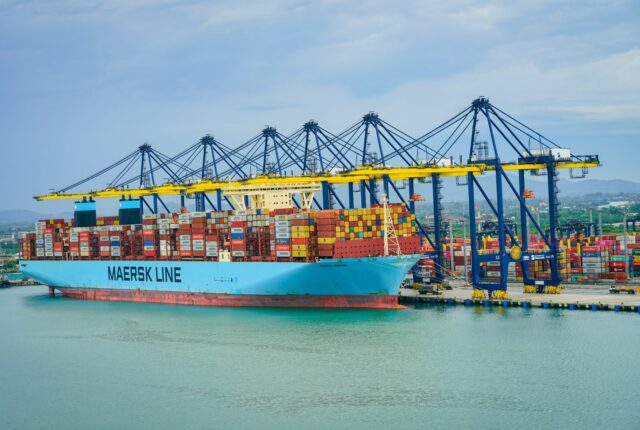
Major Carriers Still Hungry for Mega Container Ships
The containership orderbook this week stands at a 15-year high, equivalent to ne
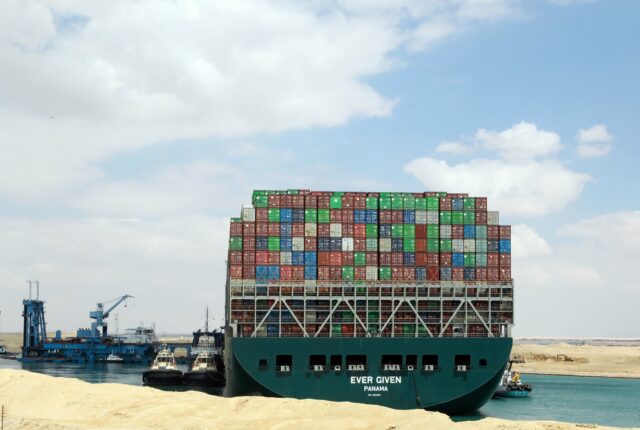
Containerships Slowly Return to Suez Canal Under Discount Program
Two months into its special discount program to draw containerships back to the
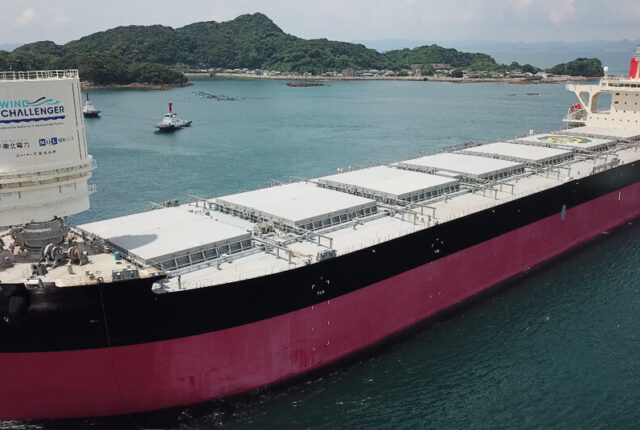
Rigid Sail MOL Bulker | Maiden Voyage Complete
A rigid sail MOL bulker, named The Shofu Maru, completed its maiden voyage to Au
