




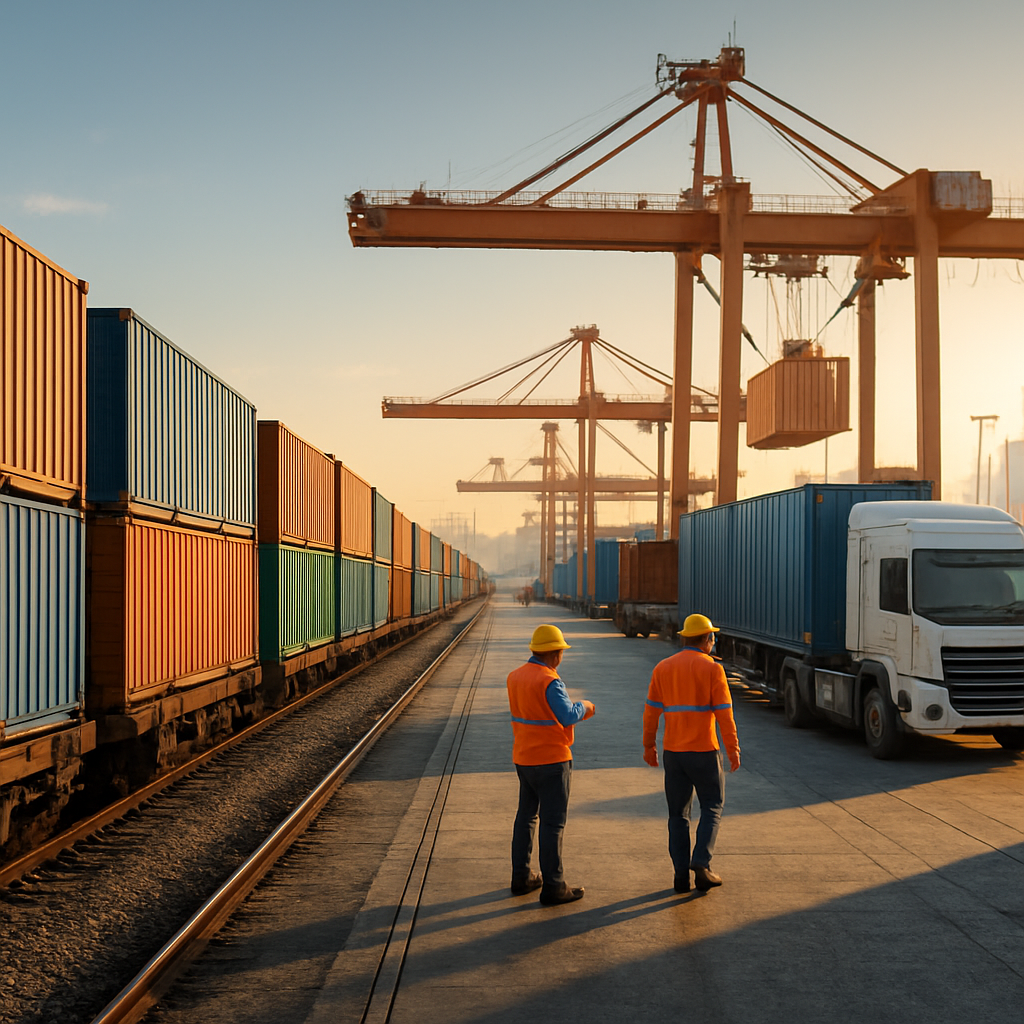
Air Freight vs Rail Freight: A Comparative Analysis for Shippers
Choosing between air freight and rail in Australia is rarely a simple price comparison. The primary keyword air freight vs rail freight in Australia captures a decision that affects speed, risk, cost control, and how resilient your logistics and supply chain will be over time. For many shippers, the key differentiator is not the mode itself, but how intelligently both modes are combined to match service levels, inventory strategies, and customer commitments.
Air Freight vs Rail Freight in Australia: Speed, Cost and Control
Air freight delivers rapid transit between major gateways such as Sydney, Melbourne, Brisbane and Perth, supporting urgent orders, promotional launches, and high-value components. Rail services provide scheduled, corridor-based capacity for predictable flows, ideal where cost efficiency and sustainable long haul shipping matter more than next-day arrival. A differentiated provider focuses on aligning both modes with your demand profile, safety requirements, and service promises, rather than defaulting to a single mode across all lanes.
Many shippers now expect freight transportation solutions that go beyond simple port-to-port movements. Providers that stand out use data, lane analysis, and demand forecasting to segment your freight by urgency, value, and volatility. Time-critical SKUs may move by air, while stable, high-volume lines are shifted to rail based logistics solutions to lock in lower landed costs. This disciplined allocation of mode supports smoother budgeting, leaner inventory, and more predictable customer lead times.
- Strategic split of urgent and non-urgent freight across air and rail
- Network coverage linking major Australian capitals and regional hubs
- Forecast-driven capacity planning on core east–west and north–south routes
- Transparent transit-time tiers matched to your service levels
- Scenario modelling to compare cost efficient cargo routing options
Designing an Integrated Freight Transport Strategy
Where many providers sell air or rail in isolation, stronger partners design an integrated freight transport strategy that blends modes, schedules, and handovers into one coherent operating model. This enables intermodal shipping services that reduce handling touches, shorten dwell times at terminals, and keep inventory moving even when one mode is disrupted. For industrial supply chain transport, this can mean pairing stable weekly rail departures with contingency air capacity for surge orders or critical spare parts.
Technology, Visibility and Sustainability Advantages
Technology now separates basic carriers from genuine partners. Leading operators provide unified tracking across air legs, Rail Freight and road transfers, so your team monitors consignments in a single platform instead of fragmented portals. This visibility supports end to end logistics planning, exception management, and better customer communication. At the same time, prioritising rail based movements where feasible cuts emissions intensity, aligning your freight profile with Australian corporate ESG commitments and international reporting frameworks such as those referenced by the International Energy Agency at https://www.iea.org/reports/the-future-of-rail.
- Consolidated tracking for air, rail and connecting road stages
- Configurable alerts for critical milestones and exceptions
- Analytics for multimodal freight optimization across seasons
- Mode-shift recommendations to reduce emissions and cost
- Governance reporting to support sustainability disclosures
For Australian shippers weighing air freight vs rail freight in Australia, the most valuable partner is one that explains trade-offs clearly, offers flexible capacity across both modes, and builds a practical roadmap for future growth. Look for a provider that can connect domestic corridors with cross border intermodal freight where relevant, and align mode choices with your customer promise and working capital targets. To compare options and shape a tailored mix of modes that fits your network today and tomorrow, speak with our team about designing freight transportation solutions that support your long-term competitiveness.

Related posts
Rail Freight Safety: Mitigating Risks in Railroad Transportation
In the world of transportation and logistics, rail freight plays a pivotal role.
European Rail Operators Increase Cargo Traffic from China
European rail freight may have been having a torrid time recently, but it appear
Rail vs Road Freight: Choosing the Best Option for Your Cargo
Compare Rail Freight and road transport in Australia with expert insights on cos
