




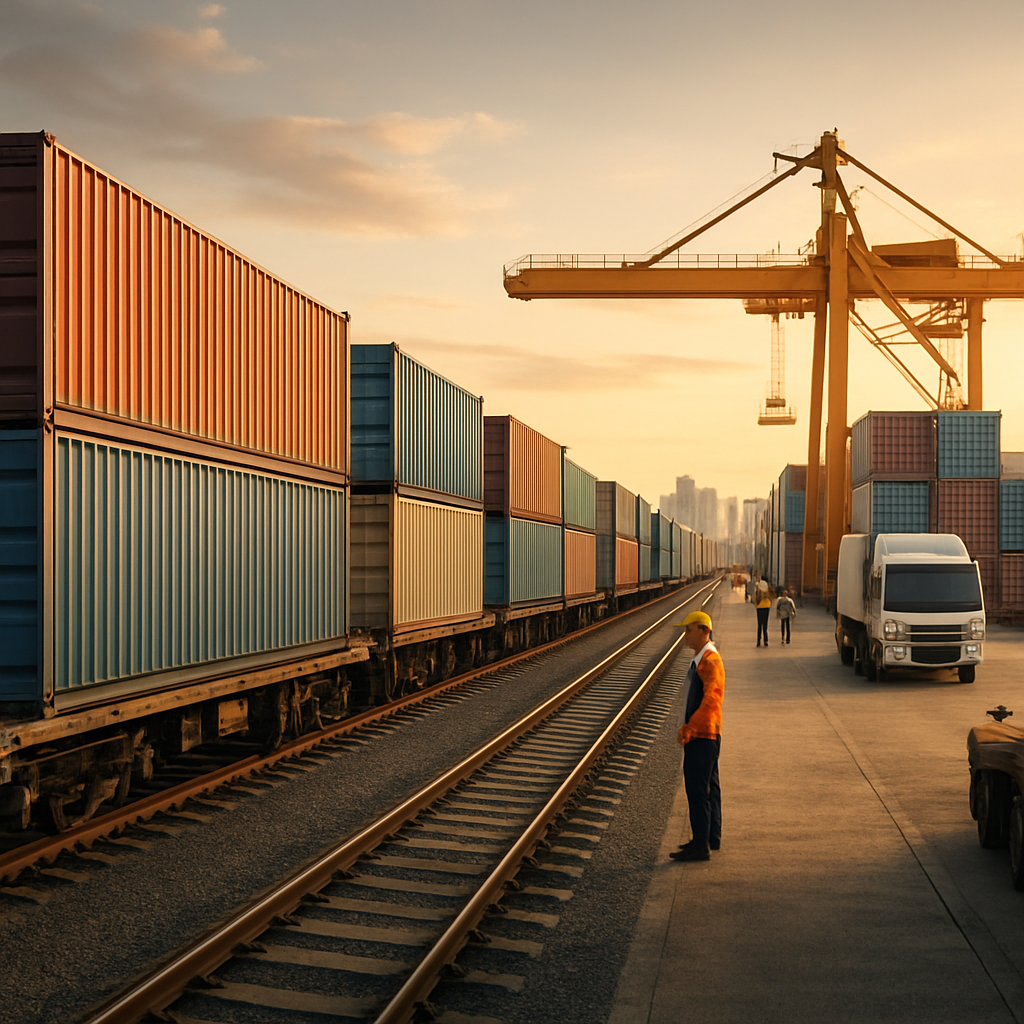
Mining and Resources Logistics: Rail Freight Solutions in 2026
Australia’s mining sector depends on fast, reliable and low‑emissions rail to stay globally competitive. In 2026, decision-makers are under pressure to cut costs, lower carbon and de-risk operations across vast distances. Rail Freight in Australia is rapidly evolving, with operators adopting new technology, equipment and commercial models to keep bulk commodities moving efficiently from pit to port.
1. Technological Integration for Smarter Operations
Mining operators are turning to automation, AI-driven scheduling and IoT monitoring to squeeze more value from every train path. Automated train control and predictive maintenance reduce unplanned downtime and improve asset utilisation across rail-based supply chains. Smart sensors on wagons and track assets deliver real-time visibility on train health and loading, supporting safer and leaner freight transportation solutions from mine to terminal.
2. Building Sustainable Freight Logistics
Decarbonisation targets are reshaping how miners think about bulk commodity transport over long distances. Hybrid and electric locomotives, regenerative braking and eco-driving programs are cutting fuel burn and emissions across integrated freight transport networks. Operators are also trialling alternative fuels and energy efficiency initiatives to help customers meet ESG commitments while maintaining high-capacity domestic rail shipping services in remote regions.
3. Strengthening Infrastructure and Rail Port Connectivity
Heavy-haul corridors in regions like the Pilbara are being expanded, duplicated and upgraded to handle rising export volumes. Investment in passing loops, sidings and signalling is increasing throughput while protecting timetable reliability. At the coast, enhanced rail port connectivity and coordinated terminal operations are shortening vessel turnaround times and improving the performance of end-to-end logistics solutions for iron ore, coal and other resources.
4. Intermodal Freight Logistics for Flexible Flows
As supply chains diversify, more miners are using intermodal freight logistics to link inland hubs with key export and domestic markets. Modern terminals support efficient intermodal shipping services, allowing containers, pallets and bulk products to transfer seamlessly between train, truck and coastal shipping. This multimodal approach provides resilience when weather events, industrial action or port congestion disrupt single-mode operations.
5. Collaboration, Compliance and Risk Management
Complex approvals, safety obligations and community expectations are prompting closer collaboration across the logistics and supply chain. Public–private partnerships, shared infrastructure and standardised safety systems are helping operators meet stringent rail regulations. Targeted workforce training on advanced signalling, fatigue management and emergency response underpins safer operations and more sustainable long-term rail freight logistics strategies nationwide.
- Assess whether your current rail contracts support volume flexibility and future mine expansions.
- Check if your haulage solutions align with corporate decarbonisation and ESG reporting needs.
- Review terminal capacity and last‑mile arrangements to avoid bottlenecks at ports.
- Consider dedicated rail-based supply chains where road costs and risks are escalating.
- Benchmark your provider’s technology, data visibility and operational safety performance.
To stay ahead of shifting markets and regulation, mining leaders are increasingly partnering with specialist providers who understand bulk networks, remote operations and sustainable freight logistics. Independent analysis from organisations such as the Bureau of Infrastructure and Transport Research Economics (https://www.bitre.gov.au/) shows rail’s long-term cost and emissions advantages over road for heavy freight. If you need a tailored strategy for integrated rail freight, from mine load-out through to export berth, now is the time to speak with a specialist team and request a detailed rail optimisation review or quote.

Related posts
Impact of E-Commerce Growth on Logistics Companies
The impact of e-commerce growth on Logistics companies in recent years has been
Understanding Rail Freight Basics: A Guide for New Businesses
Discover the essentials of rail freight for Australian startups and SMEs. Learn
On Track for Success: Strategies for Efficient Rail Freight Planning
Rail freight planning is a critical aspect of logistics, playing a pivotal role
