




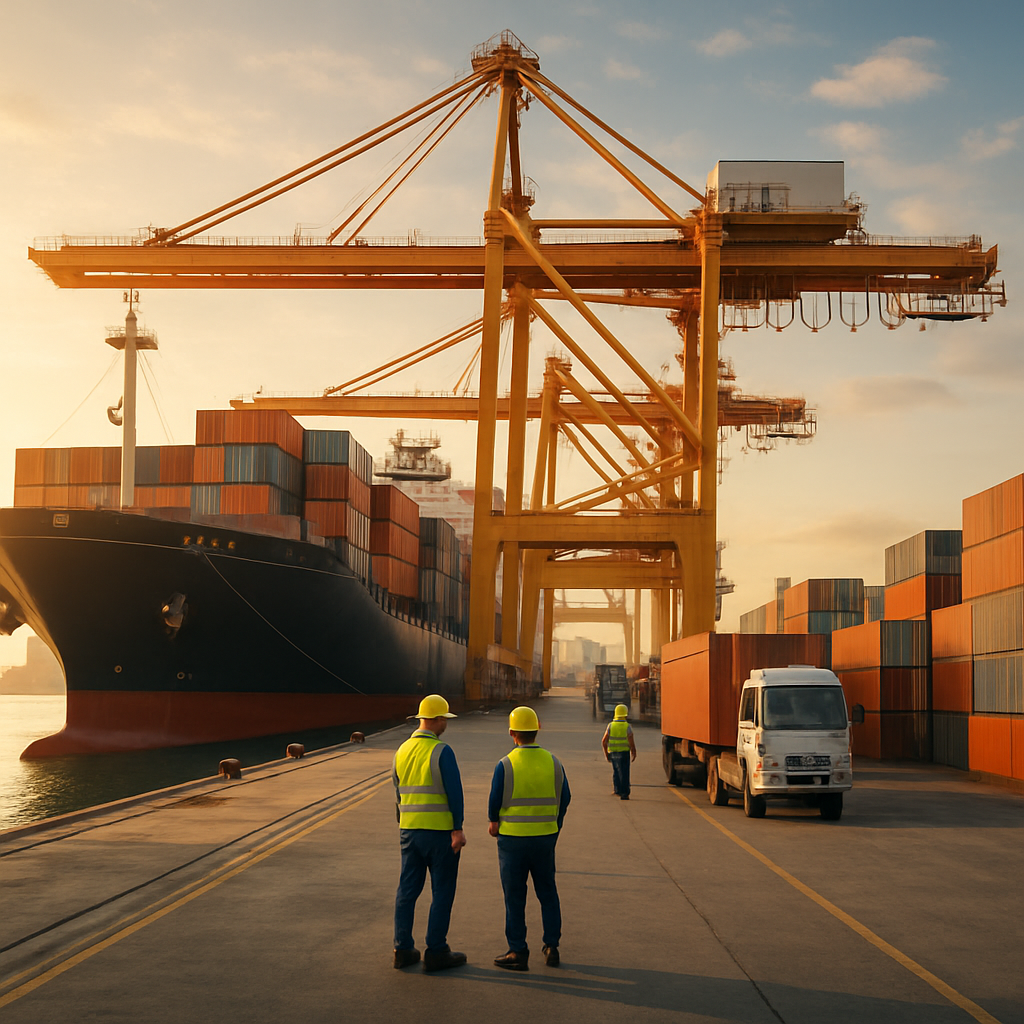
Ocean Freight Market Outlook 2026: Navigating Challenges
Australian importers and exporters are bracing for another turbulent year on the water. The Ocean Freight Market Outlook 2026 is defined by steep rate swings, tight capacity and rising compliance costs, forcing supply chain teams to manage risk far more actively. For trade-exposed businesses, treating ocean freight as a strategic function, not a back-office chore, is now central to protecting margins and meeting customer expectations.
1. Volatile Pricing Is Rewriting Your Budget
Spot rates into Australia have surged, with major indices showing costs more than 60% higher than early 2026, and Asia–Australia lanes hit by repeated GRIs. This volatility makes quoting, tendering and contract negotiations far more complex, especially for SMEs with lean cash flow. Many shippers are blending fixed contracts with tactical spot buys to balance certainty and flexibility. Regularly refreshing landed cost models and testing cost-effective ocean transport scenarios is essential to avoid under-pricing orders.
2. Capacity and Equipment Shortages Hit Export Plans
Blank sailings, port omissions and rolled containers are now regular features on east–west trades into Australian ports. Exporters, particularly in agriculture and perishables, are also grappling with a shortage of reefers and 20-foot containers, eroding profitability on seasonal peaks. Working with partners that offer door-to-port freight solutions, alternative transhipment hubs and firm space allocations can help keep shipments moving. Early booking windows and flexible cut-off times are fast becoming non-negotiable service benchmarks.
3. Geopolitics Is Redrawing Global Ocean Routes
Security concerns in the Red Sea and around the Strait of Hormuz are forcing carriers to route vessels via the Cape of Good Hope, adding up to two weeks to some services. Longer and less predictable transit times put pressure on just-in-time inventory models and downstream production schedules. Australian shippers are lifting safety stock, re-phasing promotions and reassessing which SKUs justify premium airfreight. Access to managed international freight services makes it easier to compare international shipping options across modes and routes.
4. Sustainability and Compliance Drive New Trade-Offs
Regulations such as IMO efficiency rules and emerging carbon pricing schemes are changing fleet deployment, speeds and fuel choices. Slow steaming helps carriers cut emissions but can further lengthen transit times to Australia, complicating planning for time-sensitive cargo. Many customers now demand emissions reporting and greener ocean cargo services as part of their ESG programs. Shippers that prioritise carriers offering end-to-end ocean freight solutions with transparent carbon data can turn compliance into a competitive story rather than a cost burden.
5. Data-Led Planning Separates Resilient Supply Chains
With disruption now the baseline, real-time visibility, predictive ETAs and exception alerts are shifting from “nice-to-have” to essential. Integrated platforms that combine Sea Freight with air and rail comparisons help logistics teams stress-test routing options and simulate containerized ocean cargo options before committing spend. Advanced analytics can highlight which lanes are most exposed to delay, demurrage or congestion and where reliable sea cargo logistics partners add the most value. Businesses that pair digital tools with experienced freight forwarding solutions teams are best placed to adapt quickly.
- Benchmark your current rates and surcharges against trusted indices to identify immediate saving or risk areas.
- Map critical SKUs and trade lanes where delays would threaten customer service, then build contingency routings.
- Review contracts to ensure they reflect today’s global ocean shipping choices, transit times and reliability levels.
- Audit your use of sea freight forwarding services, checking performance on space protection and schedule integrity.
- Use neutral market intelligence, such as the latest container outlooks from S&P Global, to inform your 2026 planning.
Staying competitive in 2026 means partnering with specialists who understand Australian trade lanes, can orchestrate flexible freight forwarding solutions and provide clear visibility on costs and risks. To discuss tailored ocean cargo services, including door-to-port freight solutions and end-to-end ocean freight solutions built around your volumes and risk profile, speak with our team today and request a detailed shipping review and quote.
External reference: S&P Global – 2026 ocean freight outlook

Related posts
Houthi Attack on Prestige Falcon Deadliest Yet; 16 Crew Missing
None of the 16 crew of the Prestige Falcon has yet been found, following the sin

Hydrogen-Powered Tugboat | A World First
On October 27th, Belgium were recipients of the world’s first hydrogen-powered
Red Sea Rerouting Sparks Asian Port Congestion
Diversions of container ships via the Cape of Good Hope has resulted in a contin
