




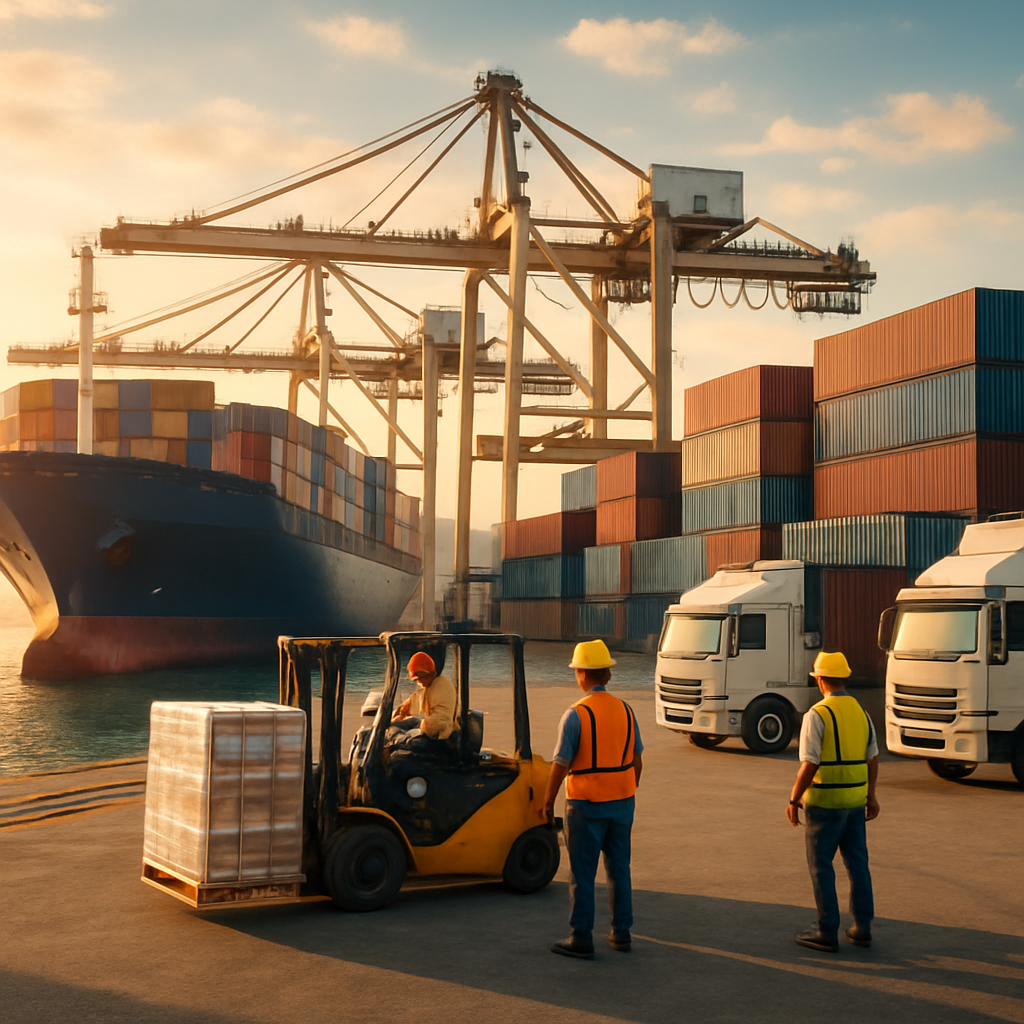
Multimodal Rail and Sea Freight: A Strategic Approach
Multimodal rail and sea freight solutions give Australian exporters, importers and logistics managers a practical way to cut costs, lower emissions and improve reliability across complex lanes. By combining rail for long-distance inland moves with coastal or international shipping, supply chain leaders can tap scalable capacity while easing pressure on road networks and meeting tightening ESG expectations.
1. Lower End-to-End Costs with Multimodal Rail and Sea Freight
Using rail for long inland legs, then transferring to sea, often delivers a lower cost per tonne-kilometre than road-heavy models. This is especially true for bulk commodities, containers and repeat flows between production hubs and ports. When timetables are aligned and volumes aggregated, shippers can negotiate sharper contract rates and reduce empty running. Many businesses also find they can rationalise carriers by consolidating interstate shipping services into fewer, higher-efficiency corridors.
2. Cut Emissions and Strengthen ESG Credentials
Rail and sea typically generate far fewer emissions per tonne moved than trucks or air, helping Australian companies back up ESG commitments with measurable results. For example, moving freight by rail instead of road can cut CO2 emissions by as much as 75 per cent per tonne-kilometre, according to the International Transport Forum. When combined in a single corridor, rail and sea freight solutions support credible sustainability reporting while keeping cost and service performance front of mind.
3. Boost Resilience and Reliability Across the Network
Relying solely on trucks leaves supply chains exposed to congestion, driver shortages, highway closures and extreme weather impacts. A multimodal interstate shipping approach that anchors key lanes in rail and sea can improve schedule adherence and buffer disruption risks. Ports with strong intermodal connections offer more predictable transit times for sectors such as mining, agriculture and FMCG, where missing a vessel window can mean lost export opportunities and costly storage.
4. Unlock Capacity and Reach New Markets
Australia’s freight volumes are rising on the back of population growth, e-commerce and global demand, straining existing road networks. By using interstate coastal freight services and integrated coastal shipping options, shippers can access extra capacity without adding more heavy vehicles to urban corridors. This opens up alternative ports, new liner services and diversified routes, supporting both risk management and growth into additional regions and trade lanes.
5. Navigate Complexity with an Experienced Multimodal Partner
Coordinating timetables, handovers and data flows across rail operators, ports, depots and shipping lines can be challenging, particularly where state regulations and infrastructure standards differ. Working with a specialist such as Domestic & Coastal helps businesses design lane-specific strategies, streamline documentation and gain visibility from port-to-door interstate transport. A capable partner can also advise on local port transfer services, domestic coastal delivery services and national multimodal delivery options that genuinely match your freight profile, rather than adding complexity.
- You’re struggling to secure capacity in peak periods and need more predictable coastal freight solutions.
- Road-heavy lanes are driving up total landed costs and eroding your export competitiveness.
- Customers and investors are demanding credible emissions reductions across your logistics footprint.
- You rely on multiple carriers with fragmented tracking instead of a cohesive rail and sea strategy.
- Your teams are planning around ad hoc local delivery options rather than a structured multimodal network.
For further context on how Canberra views future freight networks, the Australian Government’s National Freight and Supply Chain Strategy outlines priority corridors and investment focus areas at https://www.infrastructure.gov.au/infrastructure-transport-vehicles/transport-strategy-policy/national-freight-and-supply-chain-strategy. If you’re reassessing your freight mix, now is the time to benchmark costs, reliability and emissions, then explore how tailored rail and sea freight solutions could reshape your network. Speak with a specialist partner today to review key lanes, identify quick wins and request a detailed multimodal proposal for your business.

Related posts

Climate Positive Freight Solutions, the Future of ATO Shipping
Melbourne, August 2021 – Across the Ocean Shipping (ATOS), Australia’s l

Miss the Rush, Buy Christmas Presents Now!
Buy Christmas presents now to avoid delays in shipping experts warn. The COVID-1

Most Companies Kept Supply-Chain Sustainability Goals Despite Covid-19
Companies largely maintained their focus on supply-chain sustainability goals in
