




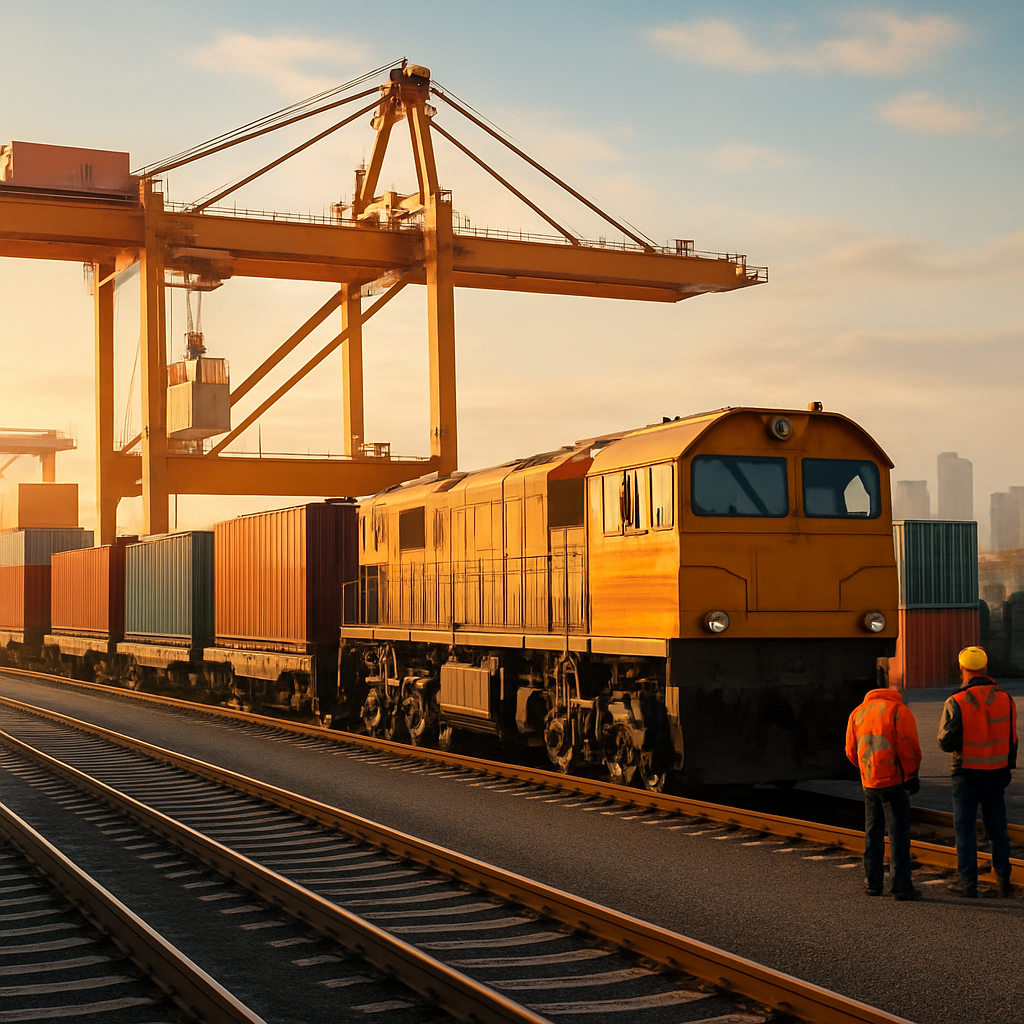
Understanding Rail Freight Services in Australia: A 2026 Guide
Rail Freight in Australia is entering a decisive phase as new infrastructure, digital technology and emissions targets converge before 2026. For manufacturers, agribusiness, miners and retailers, the right freight transportation solutions can mean lower costs, fewer delays and stronger customer confidence. This list outlines how changing rail capacity, contracts and technology will shape buying decisions over the next few years.
1. Expanded East–West and North–South Freight Corridors
Upgrades on the Sydney–Melbourne–Perth and Brisbane–Sydney–Melbourne lines will allow longer trains, more paths and fewer delays. For shippers, that means more reliable timetables, tighter delivery windows and better national logistics and supply chain planning. Businesses moving bulk commodities or containers between capitals should reassess their modal mix as rail-based shipping services become more competitive on cost and transit times.
2. Inland Rail and New Intermodal Hubs
The staged rollout of Inland Rail is already reshaping domestic freight logistics between Melbourne and Brisbane. New terminals in regional New South Wales and Queensland will support intermodal shipping services that cut truck kilometres and double-handling. Exporters and regional manufacturers can plug directly into intermodal freight networks connecting paddock, plant and port, improving schedule reliability and access to global markets.
3. Technology-Driven Efficiency Gains
Advanced train management systems, real-time tracking and predictive maintenance are being deployed by major operators. These rail logistics solutions give customers precise ETAs, faster disruption alerts and detailed performance data for contract negotiations. For supply chain managers, better visibility supports contingency planning, inventory control and integrated freight transport strategies that align rail and road transport more effectively.
4. Decarbonisation and ESG Pressures
With growing investor focus on Scope 3 emissions, rail’s lower carbon intensity is becoming a board-level issue. Companies under ESG scrutiny are reassessing mode choice as part of their end-to-end supply chain design. Rail can significantly reduce freight emissions per tonne kilometre, a benefit highlighted in Australian Government infrastructure portfolio reports, allowing organisations to demonstrate measurable progress against sustainability targets.
5. Modal Competition and Capacity Constraints
Despite rail’s strengths on longer hauls, road will remain dominant for short, time-critical runs and last-mile delivery. Capacity constraints, maintenance shutdowns and terminal congestion can erode reliability if not managed carefully. Smart buyers will map lanes where rail clearly beats road on price and risk, while using domestic freight logistics partners to design blended solutions that balance resilience and flexibility.
6. Evolving Contracts and Service Models
Shippers are moving from ad hoc bookings to multi-year rail agreements bundled with warehousing and port-to-door freight options. Contracts now lean on transparent KPIs covering punctuality, dwell times and incident response. Shared digital platforms make it easier to collaborate on forecasts, allocations and contingency planning, giving both parties clearer incentives to improve performance and service quality.
- Clarify your long-haul volumes and lanes best suited to rail.
- Evaluate which corridors will benefit most from new infrastructure by 2026.
- Assess ESG requirements and potential emission reductions through rail.
- Compare contract models that bundle road, rail and storage.
- Engage specialists early to secure capacity and sharper pricing.
As the market evolves, many businesses will need expert guidance to navigate tariffs, access regimes and competitive rail-based service options. Engaging a specialist in Rail Freight in Australia can help benchmark offers, design intermodal paths and avoid costly missteps. For authoritative context on major projects shaping the network, the Australian Government provides detailed updates at https://www.infrastructure.gov.au/. To discuss tailored rail logistics solutions, request a consultation today and explore how rail can future-proof your supply chain to 2026 and beyond.

Related posts
Sustainable Rail Solutions: Reducing Carbon Footprint in Freight Transportation
In an era marked by environmental concerns, finding sustainable solutions for fr
Impact of E-Commerce Growth on Logistics Companies
The impact of e-commerce growth on Logistics companies in recent years has been
Rail Freight Forwarding: Streamlining Your Supply Chain
Explore how Rail Freight forwarding in Australia can cut costs, reduce emissions
