





Navigating 2026 Hazardous Goods Transport Regulations Effectively
Navigating 2026 hazardous goods transport regulations effectively is now a strategic priority for Australian logistics leaders, not just a compliance exercise. With the Australian Dangerous Goods (ADG) Code Edition 7.9 fully mandated and closely aligned to UN Model Regulations Rev. 24, boards and executives must understand how these rules reshape portfolio design, network strategy and customer expectations across road, rail, sea and air.
In 2026, treating dangerous goods regulation as a core capability – rather than a back-office cost – is becoming a key differentiator for Australian transport operators.
The convergence of the ADG Code with CASA, AMSA and state-based dangerous goods frameworks is creating a genuinely national baseline for chemical transport safety protocols. Yet this alignment also exposes gaps where legacy operating models, manual documentation and siloed governance can no longer keep pace. Organisations that still view regulatory change as a periodic “update project” risk chronic non-compliance, rising insurance costs and loss of premium freight opportunities.
Navigating 2026 Hazardous Goods transport regulations effectively
The most material technical shifts in 2026 cluster around energy storage systems, recycled plastic IBCs and solids that may liquefy in transit. These updated regulations for chemical transport directly influence inventory profiles, packaging specifications and preferred modes. Forward-leaning operators are reclassifying SKUs, redesigning labels and integrating transport safety procedures for chemicals into digital twins and network simulations. Instead of treating changes as constraints, they are reframing them as guardrails to support safe handling of hazardous materials while unlocking higher-value, time-definite services.
From compliance burden to competitive advantage
Turning regulatory guidelines for hazardous shipments into a commercial asset starts with multidisciplinary oversight. Legal, operations, procurement and ESG leaders should jointly interpret shipping regulations for chemicals and map them to customer segments, margin profiles and risk appetite. This lens often reveals where dangerous materials handling can be streamlined through packaging consolidation, mode shifts or revised service promises. Organisations investing in real-time product-level visibility, tied to classification data and best practices for dangerous goods handling, gain the agility to adapt without repeated re-labelling or warehouse redesign.
As batteries diversify beyond lithium chemistries, safety protocols for transport must be scenario-based, not generic. Route risk assessments, fire suppression strategies and emergency communications need to reflect multi-modal chemical transport compliance rather than mode-by-mode silos. Benchmarks from bodies such as the National Transport Commission and detailed UN guidance at https://unece.org/transport/dangerous-goods offer a valuable backbone, but leading fleets go further by stress-testing their own incident data and near misses to refine compliant chemical shipping regulations.
For Australian executives, the practical imperative is clear: embed governance cadences that treat ADG 7.9 and related frameworks as living inputs to strategy, not static manuals. Review contracts with carriers and 3PLs to clarify roles across chemical transport safety protocols, documentation and incident response. Use internal audits to test how well site teams understand updated regulations for chemical transport, and where digital tools can reduce manual error. Above all, treat mastery of Hazardous Goods as a board-level capability that underpins resilience, brand trust and licence to operate over the next decade.
Now is the time to commission a whole-of-network review, challenge legacy assumptions and align your operating model with the new regulatory baseline. Engage your internal experts, consult external specialists where needed, and initiate a structured roadmap to lift your dangerous materials handling maturity before the next rule cycle arrives.

Related posts
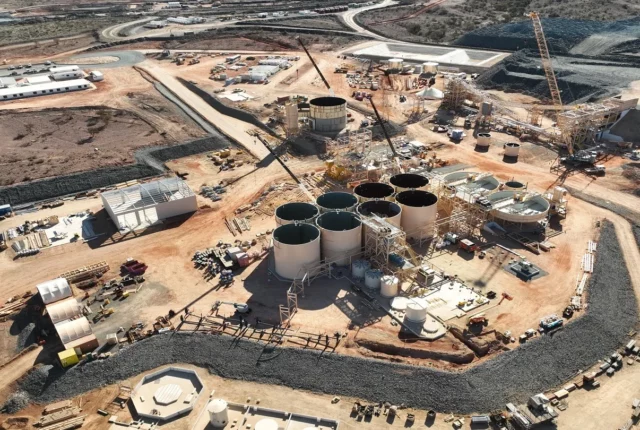
12 Dangerous Goods (DG) energy storage units from China to the Bellevue Gold Mine site in Sir Samuel, WA
Across the Ocean Shipping is proud to announce the successful delivery of 12 Dan

The Cost of Non-Compliance in Hazardous Goods Transportation: Lessons Learned
Transportation of hazardous goods is a critical part of the modern economy, from

Brown Marmorated Stink Bug (BMSB) Season 2025-26
The Department of Agriculture have released the measures for Brown Marmorated St
