




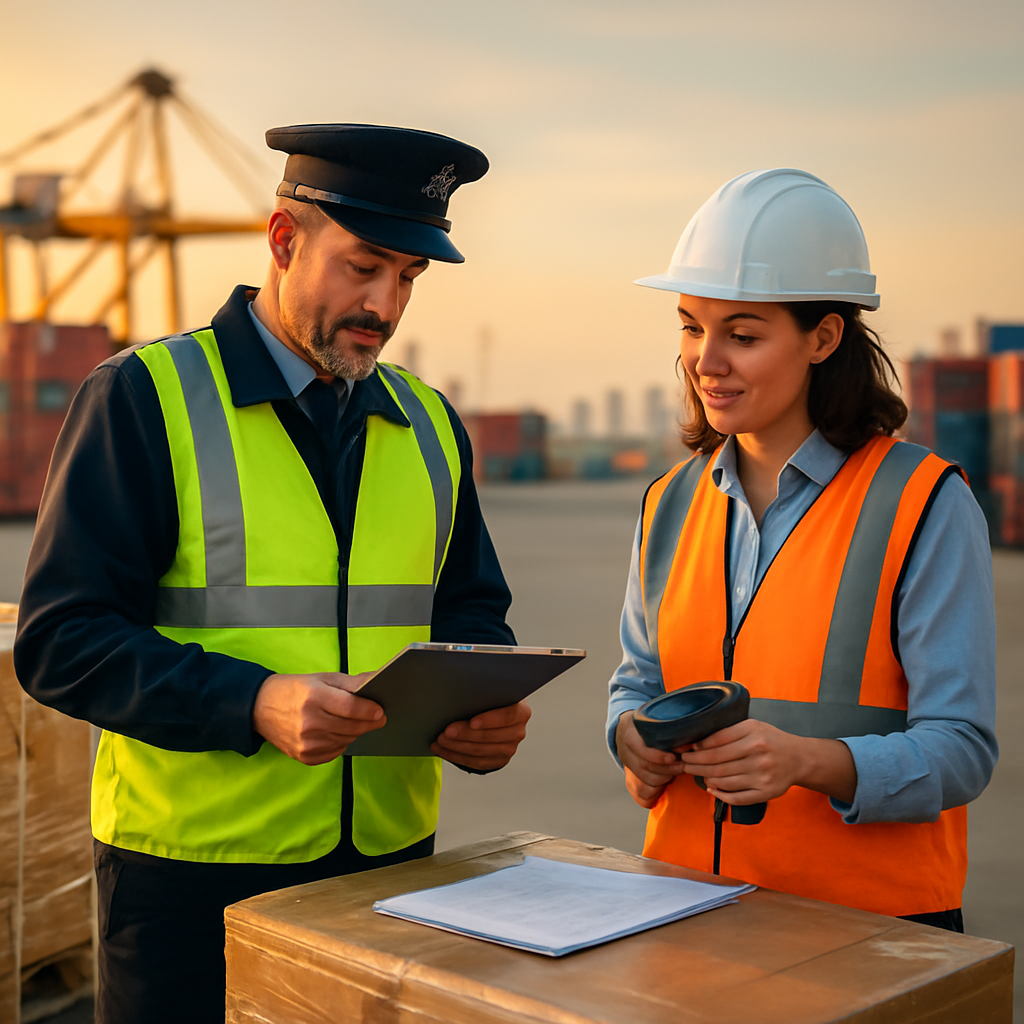
Navigating Export Customs Clearance in 2026: A Complete Guide
Navigating export customs clearance in 2026 is no longer a back-office chore for Australian exporters; it is a strategic capability that shapes margin, speed and market access. As the Australian Border Force upgrades the Integrated Cargo System and trade patterns shift after recent export contractions, senior leaders need a more sophisticated view of risk, data and opportunity. The businesses that win will treat border formalities as part of their commercial model, not just an operational cost.
In 2026, the sharpest exporters will view customs as a data-driven risk and revenue lever, not a last-minute form-filling exercise.
This shift is driven by three forces: tightening import export regulations in key markets, algorithmic risk assessment by customs authorities, and heightened scrutiny of sanctions and dual-use goods. Australian exporters can no longer rely on freight forwarders to absorb all complexity. Boards and executives need line of sight over how classification, origin and valuation decisions affect landed cost, reputational exposure and strategic market selection.
Navigating Export Customs Clearance in 2026
Modern Customs Clearance hinges on disciplined data and repeatable process rather than heroics at time of shipment. A robust customs documentation process should start at product set-up, capturing HS codes, rules-of-origin positions and licence triggers before a quote is issued. Embedding a practical export customs documentation checklist into your ERP or TMS reduces rework, revenue leakage and last-minute queries from brokers or authorities.
Digital risk signals and AI-enabled controls
The 2026 ICS enhancements, including richer status events for Cargo Report Numbers, will give exporters earlier warning of interventions—but only if those signals are monitored and acted on. Leading organisations are connecting ICS data into control towers, using dashboards to flag delays, misclassifications and repeat errors by business unit or product line. Over time, AI tools that support international shipping compliance, tariff classification and anomaly detection will become as essential as traditional freight tracking.
This digital evolution raises the bar for governance. Boards should expect evidence of international trade compliance guidelines being operationalised, not just documented. That means audit trails for HS decisions, tested controls for sanctions screening, and clear accountabilities between sales, logistics and finance. As cross-border trade regulations tighten in sectors such as critical minerals, agri-food and defence-adjacent technologies, weak governance will increasingly translate into lost tenders and damaged partner trust.
Strategy, markets and future-facing capability
Customs choices now shape which markets are commercially viable, which Incoterms make sense, and how resilient your supply chain really is. Exporters entering Southeast and South Asia, for example, must weigh local regulatory requirements for export alongside service reliability, documentation norms and tax rules. Systematised customs paperwork for exporters makes it easier to model scenarios, compare routes and negotiate with logistics providers from a position of strength.
Executives should challenge teams to move beyond step-by-step customs paperwork and towards export shipping compliance best practices that are embedded in product design, pricing and contract terms. Reviewing your global import export rules exposure, engaging with reputable references such as the World Customs Organization at https://www.wcoomd.org, and prioritising markets where your compliance model is scalable are all hallmarks of a mature approach. To stay ahead, now is the time to review your export governance framework, stress-test your data and systems, and speak with a trade specialist about modernising your approach to export customs clearance in 2026 and beyond.

Related posts
New Compliance Alert: Updated Chinese Export Regulations
We wish to bring to your attention upcoming changes to Chinese export regulation

Customs Clearance 2026: Essential Steps for Smooth Shipping
Navigate Customs Clearance in 2026 with five essential steps for Australian impo
Extension of Bio Security Measures for Cruise Ships Entering Australian Ports
Although COVID is tapering out, it is still present so an extension of bio secur
