




Bulk Rail Freight Transport: Cost-Effective Options for Industries
Bulk rail freight transport in Australia underpins the nation’s trade, helping businesses move high volumes of goods safely, efficiently, and with confidence. If you are comparing freight transportation solutions, it is natural to wonder how rail operators manage risk, maintain reliability, and coordinate with ports and road carriers. By understanding the systems, standards, and safeguards behind modern rail networks, you can make better-informed decisions and trust that your cargo will arrive on time and in good condition.
“When you can see how your freight is handled at every stage, rail shifts from being a black box to a dependable backbone of your logistics and supply chain.”
How bulk rail freight transport in Australia delivers certainty
Bulk rail freight transport in Australia is built around predictable timetables, high-capacity trains, and dedicated freight corridors that minimise congestion. Operators invest heavily in track maintenance, locomotive technology, and driver training so your cargo is moved under rigorous safety and compliance frameworks. For shippers of minerals, grain, and building materials, these rail-based freight solutions provide consistent transit times and reduce exposure to weather or road bottlenecks. Transparent tracking, regular performance reporting, and clear escalation processes all contribute to a service that feels dependable rather than uncertain or opaque.
Connecting mines, farms, and ports with trusted intermodal networks
Reliable bulk cargo rail services are only part of the story; confidence also comes from how well rail integrates with trucks and terminals. Australian intermodal freight hubs link regional production sites with major ports, allowing containers and bulk commodities to transfer smoothly between modes. Proven intermodal shipping services reduce double-handling, damage risk, and delays at changeover points, while port-to-door rail logistics give exporters a clear line of sight from origin to vessel. This integrated approach supports truly sustainable freight supply chains by cutting emissions and fuel use without sacrificing schedule certainty.
Choosing a partner for long-term, low-risk rail freight
When evaluating Rail Freight in Australia, focus on providers that can explain their operating standards, contingency plans, and communication protocols in plain language. Experienced teams in integrated freight logistics will outline how they coordinate with terminals, manage peak seasons, and keep you informed when conditions change. Look for evidence of safety accreditation, on-time delivery metrics, and proven cost-efficient rail transport models that deliver value over the long term. A strong partner will also show how their services plug into your end-to-end supply chain so you can plan inventory with greater confidence and fewer surprises.
To deepen your understanding of national freight policy and infrastructure planning, you can refer to the Australian Government’s official freight and supply chain strategy at https://www.infrastructure.gov.au/infrastructure-transport-vehicles/transport-network/freight. When you are ready to explore tailored rail-based options, speak with a specialist team that understands rail-based freight solutions for bulk commodities and can translate them into practical business outcomes. Ask for clear transit estimates, visibility tools, and scenario planning so you can compare options with confidence. Reach out today to review your rail options, clarify any concerns, and build a long-term freight strategy that feels robust, transparent, and truly fit for your business.

Related posts
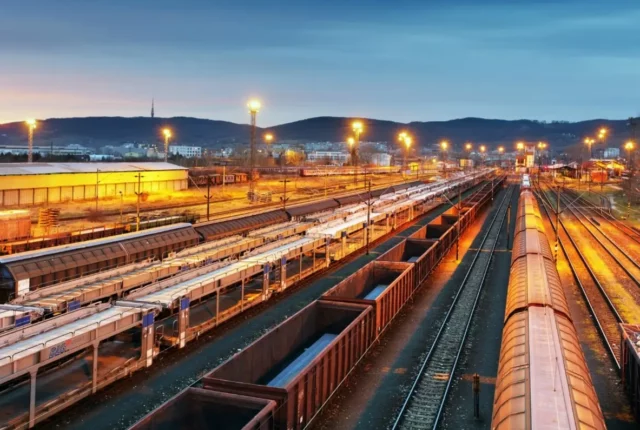
On the Right Track: Exploring the Advantages of Rail Freight
In today’s fast-paced world, efficient transportation of goods is the back
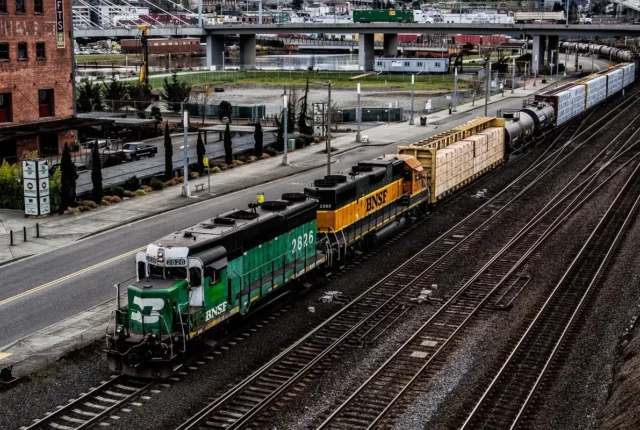
Sustainable Rail Solutions: Reducing Carbon Footprint in Freight Transportation
In an era marked by environmental concerns, finding sustainable solutions for fr
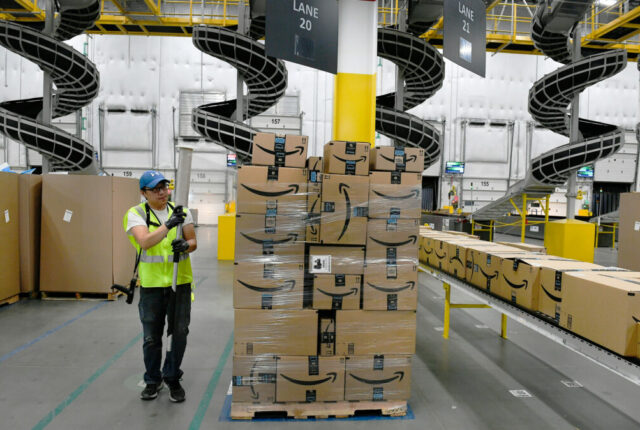
Impact of E-Commerce Growth on Logistics Companies
The impact of e-commerce growth on Logistics companies in recent years has been
