





Bulk Freight by Rail: Efficient Solutions for Heavy Cargo
Bulk freight by rail in Australia offers an efficient, scalable way to move heavy cargo across long distances while controlling costs and emissions. For many shippers, it is a core part of modern freight transportation solutions, particularly when moving consistent volumes of minerals, grain, coal, agricultural inputs, or containerised goods between fixed origins and destinations.
What is bulk freight by rail?
Bulk freight by rail refers to transporting large volumes of relatively uniform or heavy cargo using dedicated freight trains. Typical Australian examples include iron ore from mine to port, grain from silo networks to export terminals, and fuels delivered into regional hubs. Services can be structured as unit trains for a single commodity, or as intermodal shipping services where containers are used to consolidate different customers’ loads onto shared trains.
How the rail freight process works
The process begins with understanding your freight task: shipment volumes, loading points, discharge locations, seasonality, and service frequency. Rail operators use this information to design timetables, train lengths, wagon types, and loading plans that align with your broader logistics and supply chain requirements. For some businesses, this forms the backbone of an integrated freight transport model combining rail, road, and port operations.
From loading to final delivery
Bulk cargo is typically consolidated at a siding, mine load-out, grain receival site, or terminal using conveyors, chutes, silos, or heavy-lift equipment. Trains are marshalled and dispatched on scheduled paths, with location tracking and service performance monitored in real time. At destination, cargo is transferred into storage, pipelines, or trucks for last-mile delivery, forming part of end-to-end rail logistics that can support complex rail-linked distribution networks across Australia.
Why bulk freight by rail matters
Rail is well suited to Australia’s long-haul corridors, often delivering lower unit costs and improved safety compared with heavy vehicle movements on highways. It also supports sustainable rail freight services, with significantly lower emissions per tonne-kilometre than road. According to the Bureau of Infrastructure and Transport Research Economics, published rail performance data can help businesses benchmark environmental outcomes and plan industrial supply chain optimization around reliable rail capacity.
When assessing Rail Freight for your business, consider distance, volume, service frequency, and required transit times. Rail generally works best for medium to high, regular volumes where a rail-focused logistics strategy can be justified, including potential take-or-pay contracts and terminal handling charges. Bulk cargo transport solutions are also increasingly available to smaller shippers through shared-user terminals and intermodal freight corridor planning, making rail accessible beyond large mining exporters.
To decide if bulk freight by rail is right for your operation, map your current freight flows, identify high-volume lanes, and compare cost, reliability, and emissions with road-only options. If you need help evaluating scenarios or designing a more resilient, rail-enabled network, speak with a freight specialist who can explain route options, service models, and risk considerations so you can move forward with confidence.

Related posts
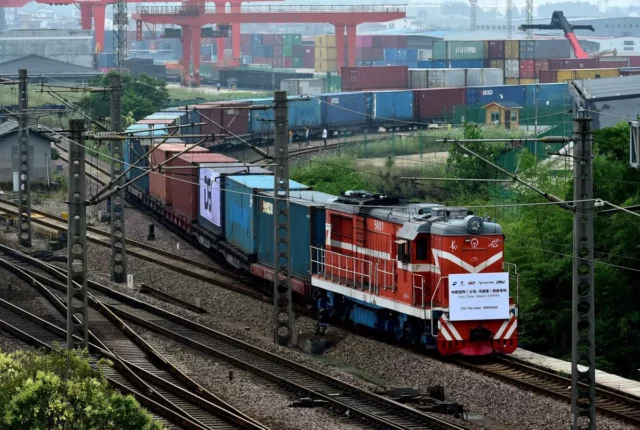
More China Links Don’t Compensate for Russian Railways’ Lost Traffic
A new Volgograd-Zhejiang rail connection is the latest post-Ukraine invasion mov
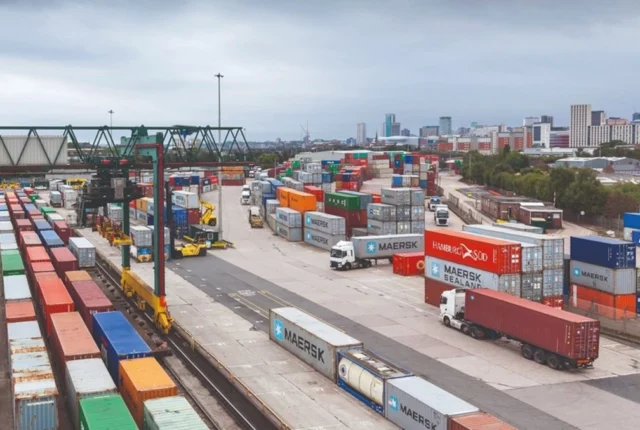
The Evolving Landscape of Road and Rail Freight: Trends and Challenges in 2024
The road and rail freight industry has always been the backbone of global trade,
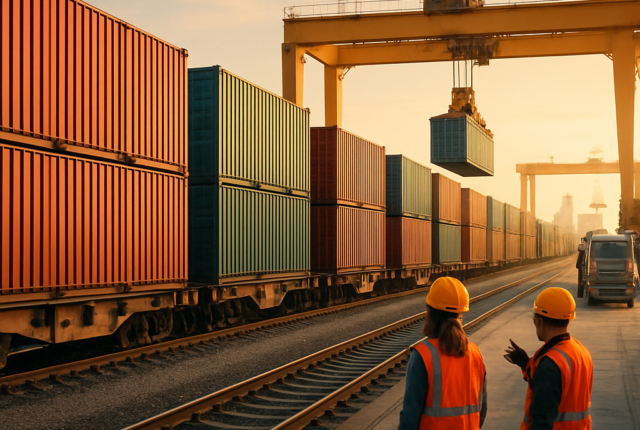
Rail Freight Forwarding: Streamlining Your Supply Chain
Explore how Rail Freight forwarding in Australia can cut costs, reduce emissions
