




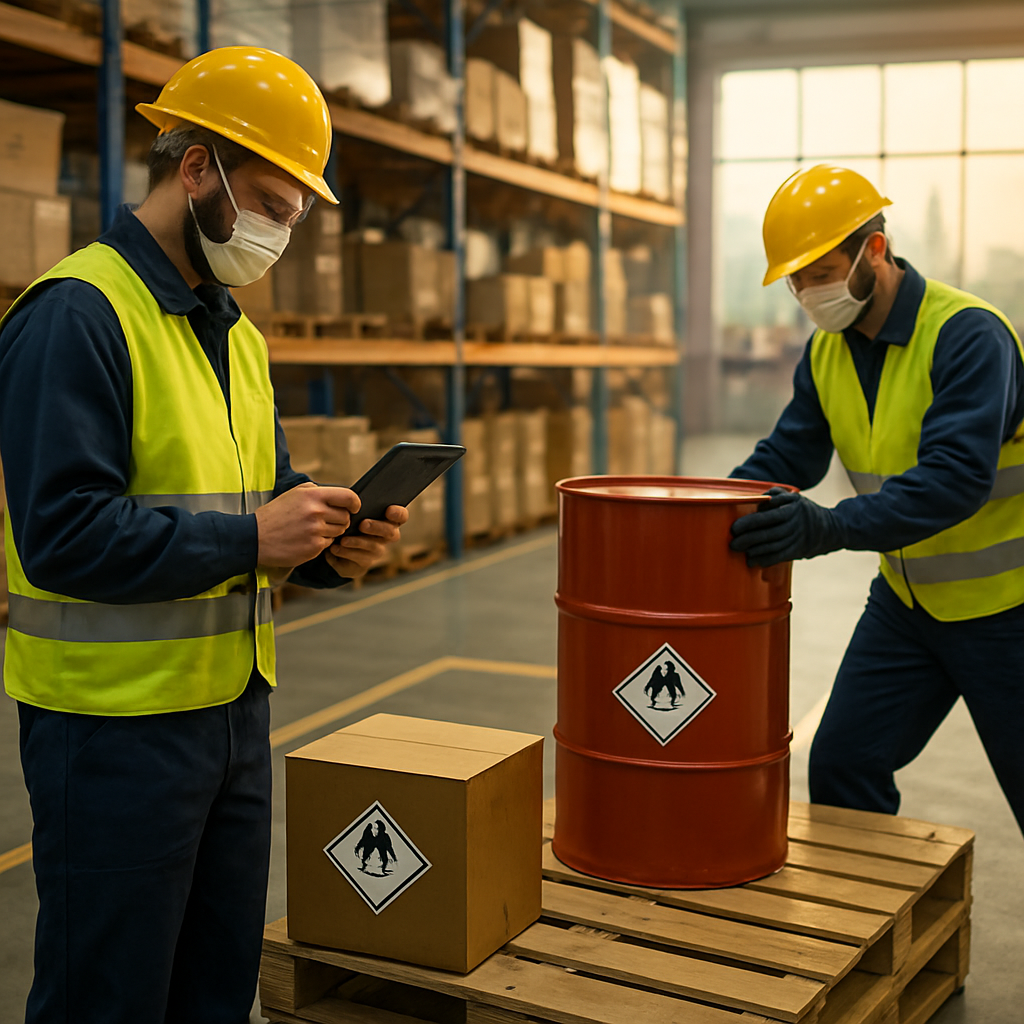
Safe Handling Practices for Hazardous Goods Transport
Transporting hazardous goods in Australia demands rigorous planning, compliance, and documentation. Businesses moving chemicals, fuels, or other risk-rated freight must balance tight delivery schedules with complex legal duties and growing public scrutiny. Failure to meet modern standards for hazardous materials transport safety can trigger costly delays, fines, insurance issues, and reputational damage that lingers well beyond a single incident.
5 Essential Safe Handling Practices for Hazardous Goods Transport in Australia
These five practices highlight how professional operators reduce risk while meeting strict shipping regulations for chemicals. For decision-makers, they also show where partnering with a specialist can improve control, visibility, and due diligence across every leg of the journey.
1. Treat Regulatory Compliance as a Core Risk-Control Tool
Australian operators must align every movement with the Australian Dangerous Goods Code, plus state-based regulations for hazardous cargo on road and rail. Rather than seeing dangerous goods shipping laws as an administrative burden, leading fleets treat them as a structured framework for chemical transport risk management. This approach supports insurance negotiations, contractor oversight, and board-level reporting on corporate responsibility.
2. Invest in Targeted, Role-Specific Training
From schedulers to drivers and warehouse staff, dangerous materials handling requires more than a generic safety induction. Effective programs explain classification, packaging, segregation, documentation, and safety protocols for transport using real-world scenarios. Regular refreshers help teams recognise early warning signs, such as incompatible loads or incomplete manifests, before they escalate into regulatory breaches or on-road incidents.
3. Get Classification, Packaging, and Labelling Right First Time
Correct UN classification underpins compliant documentation, vehicle selection, and emergency response planning. Robust chemical cargo handling guidelines specify tested packaging, secure closures, and clear hazard labelling that remains legible in harsh Australian conditions. Misclassification can invalidate insurance coverage and undermine emergency services’ ability to respond effectively in the event of a spill or collision.
4. Focus on Vehicles, Loading Practices, and Documentation
Fit-for-purpose vehicles, checked against regulations for hazardous cargo, are only part of the story. Operators also need documented transport safety procedures for chemicals, covering restraint methods, segregation, ventilation, and safe loading of dangerous goods at depots and customer sites. Detailed, accessible paperwork on board, including SDSs and permits, ensures frontline staff can prove compliance during roadside inspections.
5. Prioritise Emergency Preparedness and Continuous Review
Modern fleets are building Hazardous Goods response plans that combine spill kits, communication protocols, and clear escalation paths with live journey monitoring. Independent audits and scheduled reviews test whether chemical freight compliance rules are working in practice, not just on paper. Guidance from Safe Work Australia at https://www.safeworkaustralia.gov.au/ helps align workplace controls with transport-specific obligations.
- Clarify your current compliance gaps before scaling up chemical freight volumes.
- Standardise procedures so every site handles hazardous consignments consistently.
- Use telematics and checklists to verify procedures are followed on every trip.
- Engage specialists to independently review your dangerous goods risk profile.
- Document lessons from near misses to refine future operating standards.
If your organisation is expanding its chemical freight footprint, now is the time to tighten hazardous goods controls, not after an incident. Speak with a specialist transport partner to review your current systems, benchmark them against industry best practice, and develop a tailored improvement roadmap that protects people, assets, and brand while keeping freight moving on schedule.

Related posts
2026 Dangerous Goods Classification: What You Need to Know
Stay ahead of 2026 Dangerous Goods classification changes in Australia. Learn th
Customs Clearance for Hazardous Goods: A Comprehensive Guide
Understand customs clearance for hazardous goods in Australia, from regulation t
12 Dangerous Goods (DG) energy storage units from China to the Bellevue Gold Mine site in Sir Samuel, WA
Across the Ocean Shipping is proud to announce the successful delivery of 12 Dan
