




Out-of-Gauge Cargo: Managing Unique Transport Needs
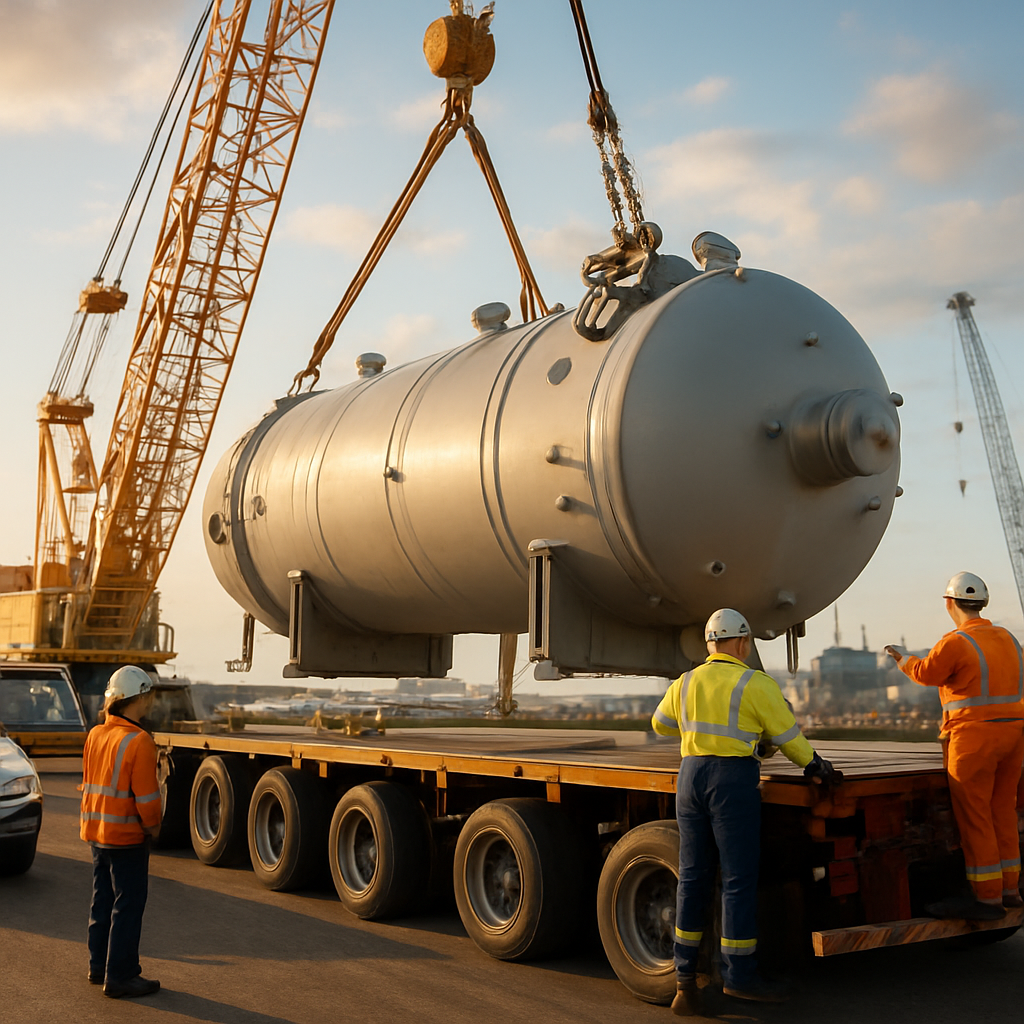
Out-of-gauge cargo is increasingly common across Australia’s mining, energy and infrastructure sectors, yet its hidden risks are still widely underestimated. Any shipment that exceeds standard container dimensions demands far more than a routine booking. It calls for precise planning, disciplined compliance and coordination across multiple agencies. When these elements are treated as an afterthought, organisations can face silent budget blowouts, escalating delays and mounting safety exposure long before the freight reaches site.
- supply chain management
- transportation solutions
- freight forwarding services
- end-to-end logistics management
- industrial freight transport
Out-of-gauge cargo: the complexity many teams miss
On paper, transporting oversized equipment can look deceptively simple: secure a trailer, book a vessel, arrange escorts. In practice, out-of-gauge cargo often crosses state borders, rail networks and ports with different standards, curfews and permit conditions. A misjudged height or swing radius can rule out a bridge or terminal at the last minute. These realities expose gaps in project cargo supply chains that were never visible in the original Gantt chart or budget.
Why mismanaging out-of-gauge cargo matters
The cost of error extends far beyond a single truck or vessel leg. If a critical module misses its planned sailing, replacement outsized cargo shipping options may be weeks away, pushing back commissioning dates. Missed permit conditions can see vehicles turned around at the roadside, with cranes, rigging crews and police escorts still charging by the hour. In Australia’s remote project hubs, even a short delay can ripple through workforce deployment, camp capacity and cashflow assumptions.
Warning signs your planning is already off track
Early red flags often appear long before a load reaches the port gate. Reliance on generic quotes without route surveys suggests clearances and pavement strengths are being assumed, not verified. Frequent late-stage design changes can quietly invalidate earlier permit work and lifting studies. Fragmented communication between ports, rail operators and specialised transport providers is another indicator that no single party has full visibility of risk or responsibility.
Governance, visibility and the role of specialists
Best practice is shifting towards data-driven mapping, GPS tracking and digital modelling of heavy lift freight services, but technology alone is not enough. Strong governance is required to align engineering, contractors and regulators under one coherent plan. Independent guidance from bodies such as the National Heavy Vehicle Regulator at https://www.nhvr.gov.au helps clarify mass, dimension and access rules that are often misread or overlooked under deadline pressure.
Embedding out-of-gauge considerations into overall Project Logistics from feasibility stage allows conflicts to be identified before steel is cut or contracts are let. For complex global project freight or integrated logistics solutions, a specialist can test assumptions, coordinate stakeholders and translate regulatory language into practical steps on the ground. Assess your current approach, identify any warning signs, and seek expert advice on transportation solutions before small gaps in planning turn into expensive, public delays.

Related posts
Logistics Planning: 2 Effective Strategies to Optimize your Warehouse Capacity
Warehouse capacities play a crucial role in logistics planning, as they directly

Choosing the Right Warehousing Solution: How to minimize your risks to ensure competitive advantage
Choosing the right warehouse solution for a logistics company is a critical deci

Air Cargo Charter Rates Hit Covid-Era Highs Amid War
Air charter rates have surged to “Covid-era” levels as the Iran conflict tri
