





Mastering Inventory Control: Key to Demand Planning Success
Mastering Inventory Control: Key to Demand Planning Success is rapidly emerging as a critical issue for Australian retailers, distributors and manufacturers. Many businesses have invested in sophisticated demand forecasting methods, yet still miss orders, overstock key lines or find working capital locked in the wrong products. The missing link is usually discipline and accuracy in day-to-day inventory control rather than a failure of the planning tools themselves.
- Frequent stock discrepancies between warehouse and system records
- Regular emergency orders or premium freight to cover preventable stockouts
- Slow-moving or obsolete items growing while core products run short
- Teams relying on manual spreadsheets instead of trusted system data
- Tension between sales, operations and finance over stock decisions
Why poor inventory control is undermining demand planning
Across Australia, planners are often blamed when customer service levels slip, even though the root cause is flawed stock data. When on-hand balances are wrong, lead times unreliable or receipts not posted promptly, even the strongest data-driven demand forecasting will not prevent missed deliveries. Industry figures showing volatile inventory levels highlight how exposed many organisations are to demand swings.
How gaps in control show up in daily operations
The warning signs usually appear first in operational friction. Sales teams commit to dates the warehouse cannot achieve, while buyers use Inventory management techniques based on “gut feel” to override system recommendations. Smaller firms are particularly vulnerable when they lack integrated inventory and demand planning, relying instead on manual cycle counts and ad hoc adjustments that never quite catch up with reality.
The hidden financial and service costs
Weak inventory governance quietly erodes margin and cash flow. Excess stock drives storage, handling and write-off costs, while stockouts lead to substitutions, lost sales and emergency freight. For businesses trying to deploy technology-enabled demand planning, inaccurate stock data undermines confidence in the numbers, making it harder to embed Logistics efficiency strategies or cost-saving logistics process improvements that depend on stable, trustworthy inputs.
Why fixing inventory must come before advanced planning
As more Australian companies trial AI and other technology to improve Supply Chain Optimization, the gap between leaders and laggards will widen. Tools built on data-driven demand forecasting and advanced inventory control tactics only deliver value when master data, stock policies and transaction discipline are already sound. Organisations that ignore basics like inventory visibility and forecasting accuracy risk automating bad habits instead of enabling lean inventory optimisation strategies.
For operations, finance and supply chain leaders, the priority is to honestly assess whether current controls support or sabotage planning. Reviewing stock accuracy, replenishment rules and optimising logistics efficiency can reveal where processes fall short of strategy. Before investing further in new platforms, consider seeking independent guidance or a structured diagnostic to stabilise inventory foundations, protect working capital and ensure demand planning improvements translate into real, measurable performance gains.

Related posts

The New IMO Carbon Rules in 2026: How Sea Freight Compliance Is Affecting Global Shipping Costs
Sea freight has long been one of the most cost-efficient ways to move goods acro
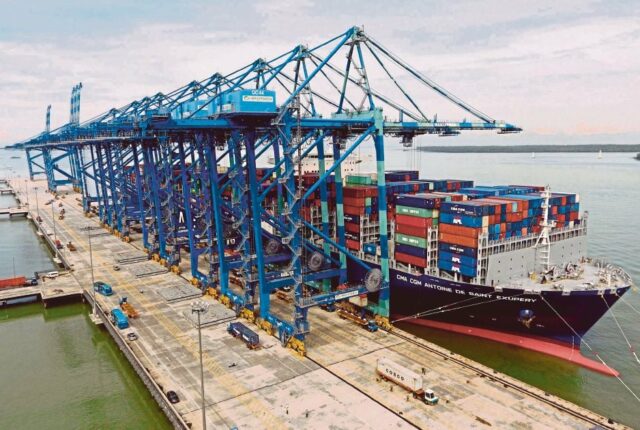
Malaysia’s Largest Port Aims to Double Its Capacity.
Malaysia’s largest port operator, Westports Holdings, is considering exter

Miss the Rush, Buy Christmas Presents Now!
Buy Christmas presents now to avoid delays in shipping experts warn. The COVID-1
