




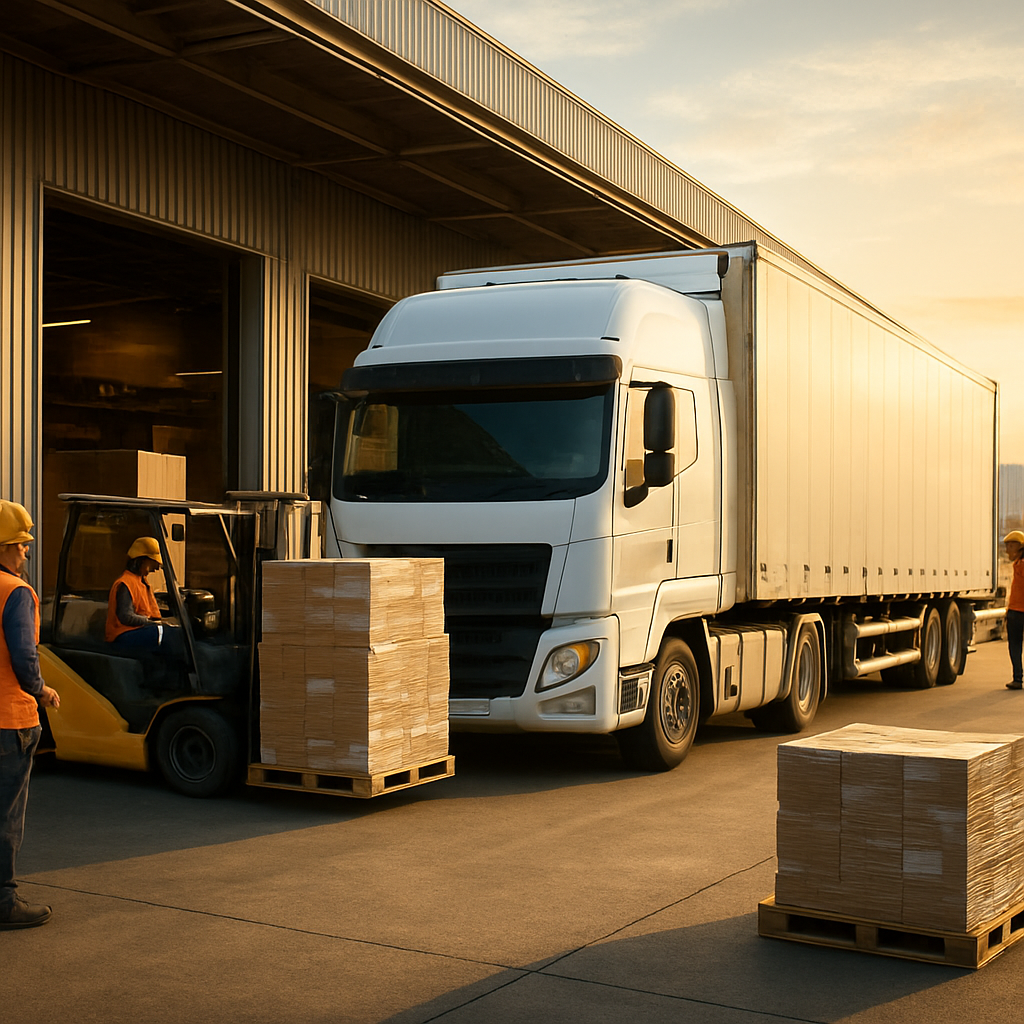
Port-to-Door Delivery: Streamlining Your Supply Chain
Port-to-door delivery is often positioned as a simple, linear movement from the container terminal to your warehouse, yet for many Australian importers and exporters it has become a costly blind spot. As volumes grow and networks become more complex, fragmented port-to-door delivery can quietly erode margins through detention, demurrage and unplanned handling. In a market where Road Freight already carries most non-bulk goods, every missed slot and delayed truck compounds pressure on inventory, customers and working capital.
- Unexpected detention and demurrage charges eating into shipment margins
- Regular rescheduling of trucks due to late discharge, documentation errors or port congestion
- Limited tracking between wharf, yard and warehouse, leaving teams “flying blind”
- Short deliveries and carton loss after rushed deconsolidation processes
- Warehouse overtime and casual labour spikes when trucks arrive outside planned windows
Port-to-door delivery: the hidden weak link
Although businesses invest heavily in international freight transportation services, the landside leg from port to door often receives less attention. Decisions are frequently made in silos, with separate providers for cartage, deconsolidation, storage and final distribution. This creates multiple handoffs, inconsistent data and unclear accountability if something goes wrong. As Australian ports become busier, the gap between vessel arrival and stable delivery windows is widening, particularly where manual paperwork and basic scheduling tools still dominate.
How fragmentation shows up in daily operations
Operationally, poor port to door cargo delivery integration tends to surface as repeated surprises rather than one-off failures. Transport teams may be forced to chase containers around terminals, while customer service staff struggle to give accurate ETAs. Warehouses end up juggling last-minute changes to labour rosters as trucks queue at the gate or miss their slots entirely. Over time, these disruptions normalise into “the way things are done”, masking the true impact on cost per container and on-time performance.
Why fragmented port-to-door delivery is getting riskier
Infrastructure forecasts for cities like Sydney, Melbourne and Brisbane point to rising congestion and longer urban transit times, intensifying pressure on road based freight services. As more freight moves by truck, competing for limited slots and curb space, loosely coordinated door to door shipping solutions become increasingly fragile. Businesses relying on ad hoc cargo delivery options face higher exposure to penalties, safety breaches and inconsistent customer service, particularly in sectors where service-level agreements are tightly enforced.
Early warning signs your landside model is failing
There are clear indicators that port-to-door delivery needs review. Persistent detention and storage fees suggest poor alignment between terminal release, transport capacity and warehouse intake. Frequent re-booking of road freight transportation slots points to weak planning or unreliable data. Rising safety stock, rushed mode changes and reliance on last-minute logistics and shipping solutions are further signs that current end to end delivery options are not coping with demand, seasonality or port-side disruption.
Ignoring these signals can have broader strategic consequences. Over time, inefficient domestic cargo transport options lock in higher operating costs and limit flexibility when market conditions shift. Businesses may struggle to meet retailer compliance requirements or maintain service promises, eroding trust with key accounts. Reviewing your port-to-door framework against resources such as Transport for NSW’s Last Mile Toolkit can help identify practical improvements before rising volumes make change more difficult and expensive.
Next steps: Assess your current port-to-door performance, from detention costs to OTIF results, and consider speaking with a logistics specialist about integrated network design, carrier coordination and data visibility before inefficiencies become entrenched.

Related posts

Hauling Profits: Strategies for Success in Road Freight Transport
In the fast-paced world of road freight transport, achieving hauling profits is
Highway to Growth: The Economic Impact of Road Freight
Road freight plays a crucial role in the economic development of countries aroun
Less Than Truckload Shipping: When to Choose LTL Services
Learn when Less Than Truckload shipping is the right choice, how LTL services co
