





Distribution Optimisation: Strategies for Efficient Logistics
Distribution Optimisation: Strategies for Efficient Logistics are moving rapidly up the agenda for Australian businesses as fuel costs, labour shortages, and shifting customer expectations squeeze already‑thin margins. Across the country, operators are discovering that what looks like a minor rise in freight spend often masks deeper structural issues. Poorly designed networks, fragmented systems, and ad hoc planning can quietly undermine service performance long before the problem becomes visible in financial results or customer satisfaction scores.
- Rising transport and fuel costs across Australia
- Under‑utilised fleets and half‑empty truck movements
- Inaccurate forecasts and misaligned inventory holdings
- Manual route planning and limited data visibility
- Increased customer complaints and missed delivery windows
Why distribution optimisation is becoming critical
For Australian operators, distribution optimisation is no longer a nice‑to‑have; it is central to competitiveness in a geography defined by long distances and dispersed demand. When transport, warehousing, and inventory decisions are made in silos, freight costs creep up, service levels erode, and working capital locks into the wrong locations. Many businesses still rely on manual planning rather than Logistics efficiency strategies supported by data, leaving planners to firefight instead of managing the network strategically.
How inefficiencies quietly erode performance
The damage caused by inefficient logistics is often cumulative and hidden. Incremental rises in linehaul costs may seem manageable until they are combined with excess safety stock, overtime in sheds, and premium freight used to rescue late orders. Warning signs include repeated urgent deliveries to key accounts, trucks returning under‑loaded from regional runs, or depots frequently short of fast‑moving SKUs despite overall high inventory. In this context, Supply Chain Optimization becomes the missing link that ties together procurement, storage, and transport decisions.
Common causes of Australian distribution bottlenecks
Many bottlenecks stem from legacy network footprints that no longer match where Australians live, shop, and work. Facilities positioned for a pre‑e‑commerce world can leave businesses over‑serviced in some corridors and exposed in fast‑growing regions. On the planning side, spreadsheets struggle to manage transport routing and scheduling that must consider time windows, fatigue management, and vehicle capacities. At the same time, weak Inventory management techniques and limited real time demand sensing push stock to the wrong nodes and drive avoidable transfers.
Risks of ignoring the optimisation challenge
Leaving these issues unaddressed can harden short‑term workarounds into long‑term structural costs. Businesses may find themselves locked into inefficient linehaul patterns, excessive depot counts, or duplicated inventory that constrains future growth. Without robust Demand forecasting methods and data driven inventory planning, the risk of stockouts during peak periods rises sharply, especially when optimising last mile logistics to regional areas. Independent analysis from bodies such as Australia’s CSIRO highlights that smarter network design and mode choice can unlock major logistics cost reduction tactics nationally.
Recognising the problem early is critical. Leaders should watch for service failures that spike during peak, rising claims from key retailers, and planners who rely on manual overrides rather than system‑driven rules. Reviewing warehouse picking best practices, multi echelon inventory optimisation, and integrated sales and operations planning can reveal how fragmented decisions are inflating cost and risk. Before the next peak season exposes deeper cracks, assess your current distribution network and speak with a supply chain expert to map practical options for a leaner, more resilient logistics footprint.

Related posts

Brown Marmorated Stink Bug (BMSB) Season 2025-26
The Department of Agriculture have released the measures for Brown Marmorated St
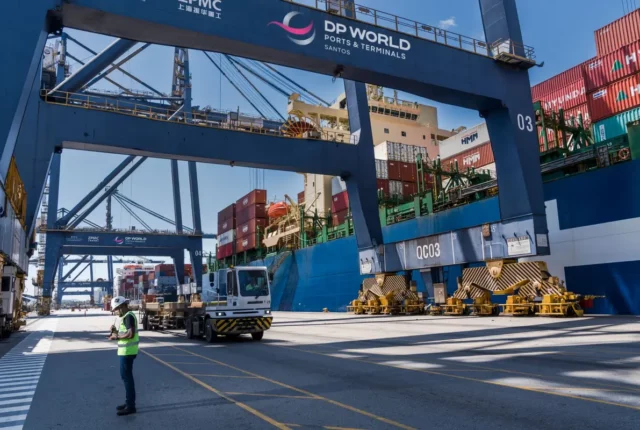
Terminal, Empty Park Rates to Rise from Jan 1, 2025
Please be advised that Terminals and empty parks will increase their rates effec
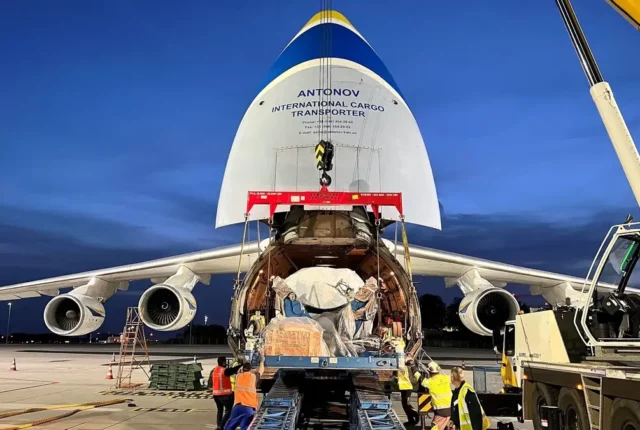
The Price of Speed: Balancing Costs and Benefits in Air Freight
In the world of air freight, the need for speed often takes center stage. Busine
