




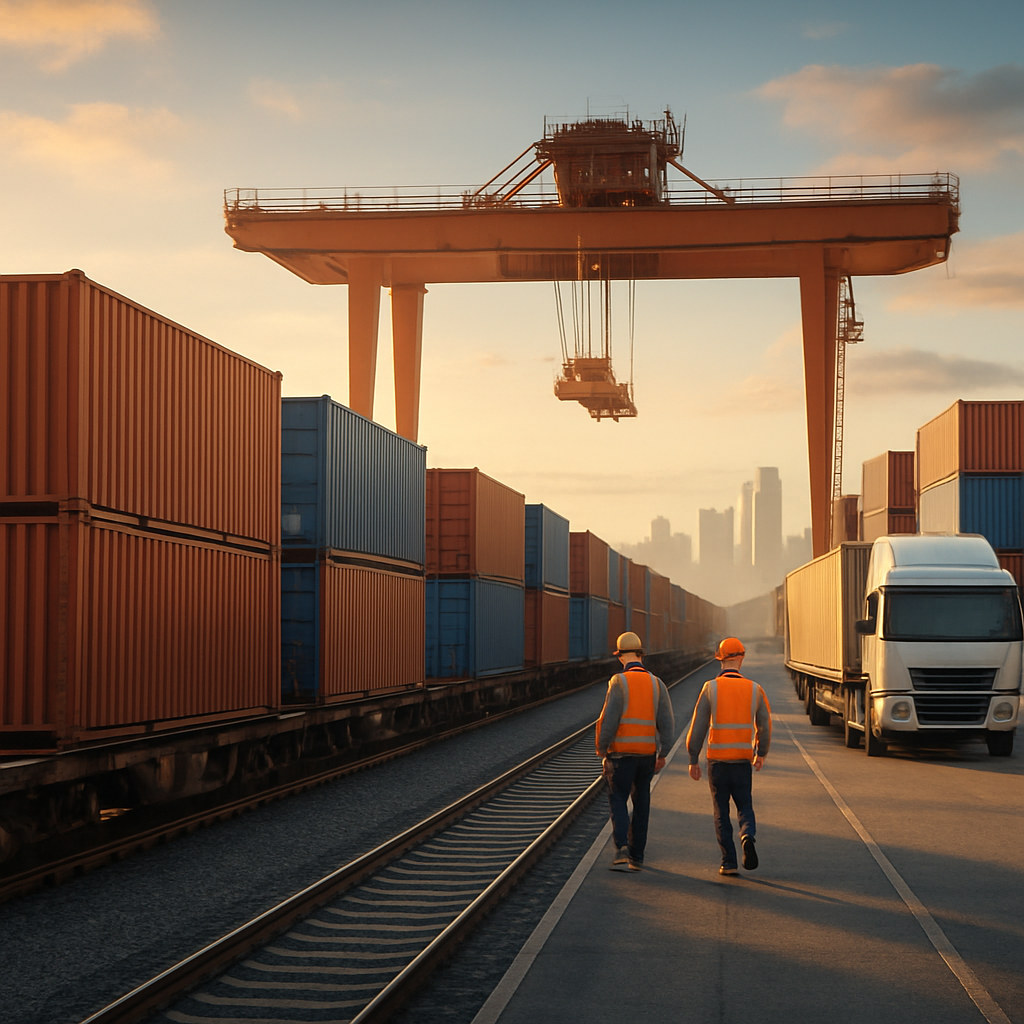
LCL Rail Freight: Cost-Effective Solutions for Smaller Shipments
Many Australian businesses rely on Less than Container Load (LCL) rail services but overlook the growing risks and inefficiencies hidden in their everyday freight decisions. As rail networks become busier and costs rise, smaller shipments face delays, damage risks, and unexpected fees. Without a clear strategy, LCL users may assume they are saving money, while in reality they are leaking margin and eroding service reliability.
- Fragmented bookings with multiple carriers that drive up administrative time and cost
- Poor visibility of cargo in transit, leading to customer dissatisfaction and stockouts
- Underutilised pallet space and ineffective packing practices
- Failure to leverage intermodal opportunities that reduce long-haul costs
- Unclear total landed cost, masking the true price of “cheap” LCL options
Problem awareness: LCL rail freight in Australia
For smaller shipments in Australia, LCL rail is often chosen on price alone, with little scrutiny of service design or risk exposure. Yet suboptimal Rail Freight decisions can create chronic delays between ports, terminals, and final destinations. When LCL moves through multiple depots, each handover adds opportunities for misrouting, damage, and paperwork errors. Over time, these issues undermine inventory planning and strain customer relationships.
Hidden costs and operational blind spots
One of the most common blind spots is treating each LCL movement as a one-off job rather than part of a broader logistics and supply chain strategy. Ad hoc bookings with different providers mean surcharges, detention, and storage fees are scattered across invoices and rarely reviewed as a whole. Businesses may also ignore how poorly planned freight transportation solutions cause warehouse overtime, excess safety stock, and urgent replacement orders that erase any upfront savings.
Missed opportunities in consolidation and intermodal planning
Many shippers underuse consolidation services and intermodal shipping services that could stabilise costs and transit times. Without structured lane analysis, it is easy to miss where cost-efficient intermodal rail could replace more expensive long-haul road. Likewise, businesses that do not explore rail and truck intermodal options may find regional deliveries repeatedly running late, especially during peak seasons or weather disruptions across the network.
Warning signs your LCL rail setup is failing
Early indicators often emerge in customer service and finance data rather than at the rail terminal. Late deliveries, frequent consignment chasing, and unexplained demurrage are key red flags. Finance teams may see rising freight as a share of product cost, while operations teams struggle to reconcile manifests. Organisations that lack integrated rail freight solutions also tend to have limited tracking, relying on manual updates instead of systematic, end-to-end rail logistics visibility.
For Australian shippers, ignoring these warning signs can entrench an inefficient, rail-based supply chain optimization gap that competitors are already closing. Industry reports from bodies such as the Australasian Railway Association highlight how sustainable rail transport services are reshaping national freight flows, particularly for manufacturers and rail freight for industrial shippers (Australasian Railway Association). If your current LCL model feels reactive, it may be time to reassess routing, consolidation, and provider capabilities before further volatility hits budgets and service levels. Now is the moment to review your LCL patterns, benchmark performance, and speak with an independent rail specialist to identify practical improvements and avoid embedding long-term inefficiencies.

Related posts

How Automation is Transforming the Road and Rail Freight Industries
The road and rail freight industries are the lifeblood of global commerce, ensur
More China Links Don’t Compensate for Russian Railways’ Lost Traffic
A new Volgograd-Zhejiang rail connection is the latest post-Ukraine invasion mov
Sustainable Rail Solutions: Reducing Carbon Footprint in Freight Transportation
In an era marked by environmental concerns, finding sustainable solutions for fr
