





Scalable Warehousing Solutions for Growing Businesses
Scalable Warehousing Solutions for Growing Businesses are becoming a critical issue for Australian operators facing rapid growth, particularly in e-commerce hubs like Sydney, Melbourne, and Brisbane. As order volumes rise and customer expectations tighten around next-day delivery, many businesses discover too late that their existing facilities cannot keep pace. What appears to be a simple space problem is usually a deeper operational risk, affecting accuracy, safety, and long-term profitability.
- Frequent stock discrepancies between records and physical inventory
- Growing labour hours per order with no matching increase in revenue
- Regular last-minute freight upgrades to meet delivery promises
- Crowded aisles, unsafe stacking, and rising near-miss safety incidents
- Ad hoc use of storage sheds or self-storage that lack proper handling systems
Understanding the hidden risks in scalable warehousing
Many Australian SMEs treat storage as a static cost, rather than a flexible capability that underpins Warehousing and broader logistics performance. When space and processes do not scale with demand, errors rise, lead times stretch, and customer confidence erodes. Research from the CSIRO on freight and supply chains highlights how poor capacity planning undermines national supply chain efficiency, especially during seasonal peaks and disruptions. The real danger is that these issues emerge gradually, becoming normalised until a major failure exposes the underlying fragility.
How inflexible storage becomes a growth bottleneck
Fixed, long-term leases and rigid layouts often lock businesses into the wrong configuration as product ranges and channels change. Instead of exploring scalable inventory storage or flexible warehouse storage options, operators squeeze more stock into already congested areas. This limits picking paths, slows despatch, and complicates logistics management strategies across multiple sites. Over time, teams compensate with overtime, manual workarounds, and rushed decisions, masking structural problems that quietly eat into margins and service levels.
Warning signs your current set-up is failing
Red flags usually appear in the numbers first: higher cost per order, more write-offs, and inconsistent stock accuracy. Operationally, staff may double-handle pallets, re-pack orders on the fly, or rely on memory to find SKUs because locations are unclear. Businesses experimenting with new inventory storage options or channels, such as marketplace fulfilment, often find their legacy layout cannot segregate fast- and slow-moving lines effectively. Increased damage, mispicks, and near misses are early indicators that optimising warehouse logistics has become urgent, not optional.
Technology, 3PLs and the scalability gap
A widespread misconception is that advanced logistics management solutions or secure third-party warehousing are only viable for large corporates. In reality, modern 3PLs and shared facilities offer scalable capacity, national networks, and real-time logistics visibility without heavy capital investment. When supported by a fit-for-purpose warehouse management system, smaller operators can achieve warehouse-driven supply chain efficiency, smoother end-to-end supply chain optimisation, and more resilient operations. The bigger risk is delaying these decisions until service failures force rushed, costly fixes.
Ignoring structural warehousing issues can trap a growing business in permanent firefighting mode. Layout constraints, manual processes, and outdated systems gradually undermine logistics management strategies and long-term competitiveness. Next, missed deliveries and safety incidents begin to impact brand reputation just as growth opportunities emerge. Australian businesses reviewing their Warehousing arrangements should critically assess whether their current set-up truly supports future expansion and supply chain efficiency. If the warning signs sound familiar, now is the time to seek expert guidance, audit your operations, and explore scalable solutions before the next peak season exposes the cracks.

Related posts

The Only Guide You Need for Building an Effective Project Logistics Strategy
Here is a step-by-step guide for creating a project logistics strategy for a bus
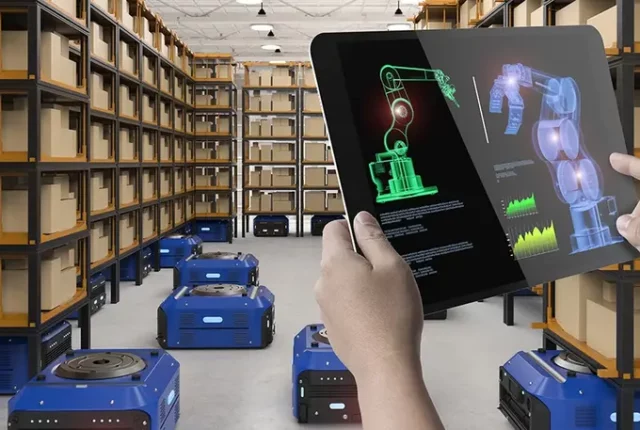
Smart Warehousing: Leveraging IoT for Real-Time Inventory Management
In today’s rapidly evolving business landscape, efficient inventory manage
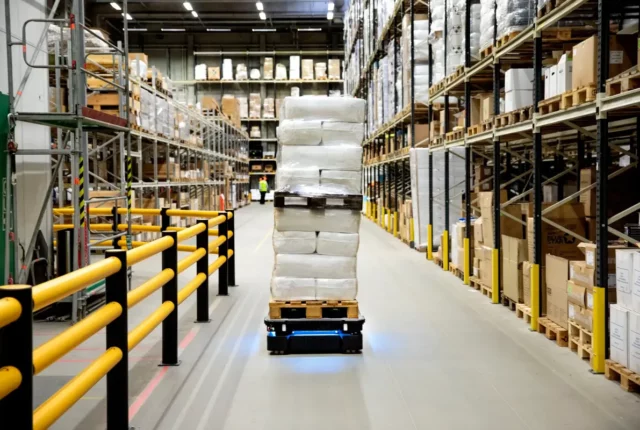
Agile Warehousing: Strategies for Quick Adaptation to Market Changes
In today’s fast-paced business environment, adaptability is key to success
