




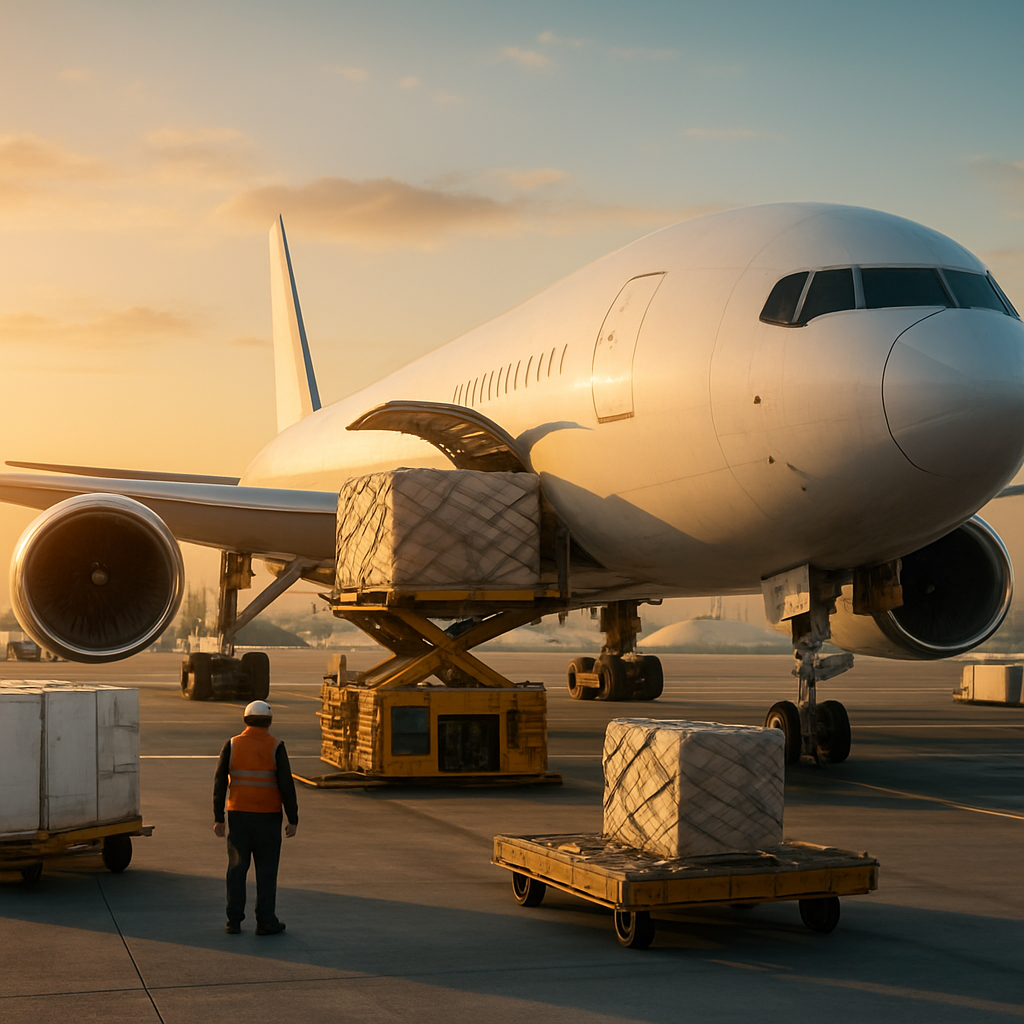
Air Freight vs Sea Freight: Which Shipping Method Wins in 2026?
By 2026, Australian importers and exporters are under intense pressure to balance speed, cost, and sustainability. Choosing between air and sea is no longer a simple rate comparison; it is a strategic decision that shapes resilience, carbon footprint, and customer experience. Providers that stand out combine mode-neutral advice with data-driven analysis, helping you compare not just prices but total landed cost, risk exposure, and inventory impact across your network.
Air freight vs sea freight: the strategic choice in 2026
Leading forwarders differentiate themselves by treating air and ocean as complementary tools, not competing products. They model scenarios across Air freight and sea, comparing 2–7 day transit times against 3–6 week sailings, overlaying seasonality, port congestion, and service reliability. Rather than defaulting to one mode, they recommend blended approaches that support long-term inventory strategies while remaining flexible enough to handle sudden demand shifts.
Specialist teams also use lane-specific performance data to highlight when International air freight can prevent costly stockouts or production stoppages. This analytical approach contrasts with providers who simply quote spot rates without examining your order profile, demand volatility, or warehouse constraints. The result is a more resilient, predictable supply chain that reflects your risk appetite and customer promise.
For higher value or sensitive cargo, advanced options such as temperature-controlled air freight, secure facilities, and tailored insurance programs play a crucial role. Providers with integrated compliance and customs expertise further reduce delays at the border, which is particularly vital for regulated industries such as pharmaceuticals, medical devices, and food. This blend of operational control and regulatory knowledge is a key differentiator for Australian shippers facing strict product standards.
- Transparent comparison of transit times, reliability, and total landed cost.
- Capability to design time-critical air freight options for urgent shipments.
- Experience managing air cargo for perishables and other sensitive goods.
- Robust air freight capacity planning during peak seasons and disruptions.
- Integrated customs, biosecurity, and quarantine expertise for Australian trade.
How an integrated air–sea model creates competitive advantage
A differentiated partner will use Air freight selectively to protect margins rather than erode them. For instance, they may move bulk orders by sea while reserving express international air shipping for top-up stock, new store launches, or online campaigns. This dual-mode strategy helps reduce safety stock, shorten cash cycles, and maintain service levels without committing entirely to premium uplift on every shipment.
Technology, visibility, and carbon-conscious decisions
Modern platforms that integrate global air cargo services with ocean schedules, inventory data, and carbon metrics are changing how Australian businesses plan logistics. These tools allow you to compare Air cargo, ocean, and intermodal options in one view, including emissions performance validated by independent sources such as the International Transport Forum at the OECD at https://www.itf-oecd.org. With clear dashboards, decision-makers can align logistics choices with ESG targets and customer delivery promises.
- Real-time tracking across air cargo for eCommerce and traditional B2B shipments.
- Scenario modelling that weighs cost, lead time, and carbon intensity.
- Configurable alerts for delays or disruptions on priority lanes.
- Secure handling protocols for air freight for high-value goods.
- Consistent service standards across multiple origins and carriers.
If you are reassessing your shipping strategy for 2026, now is the time to benchmark your current provider against integrated Air freight solutions that combine sea freight expertise, advanced technology, and strong local compliance support. Engage with a specialist team, share your upcoming forecast and constraints, and ask them to design a tailored air–sea mix that safeguards service levels while controlling cost and emissions. Arrange a consultation today to compare scenarios with confidence and move forward with a supply chain partner that matches your ambitions.

Related posts
Chartered Air Freight Services: Fast Solutions for Critical Shipments
Explore how chartered air freight services help Australian businesses protect cr
Sea Freight vs. Air Freight: Choosing the Right Mode for Your Cargo
In the world of logistics and international trade, one crucial decision can sign
Air Freight Trends: Exploring the Impact of Global Trade on the Aviation Industry
In today’s interconnected world, global trade plays a significant role in
