




Ocean Freight Basics: A Comprehensive Guide for Businesses
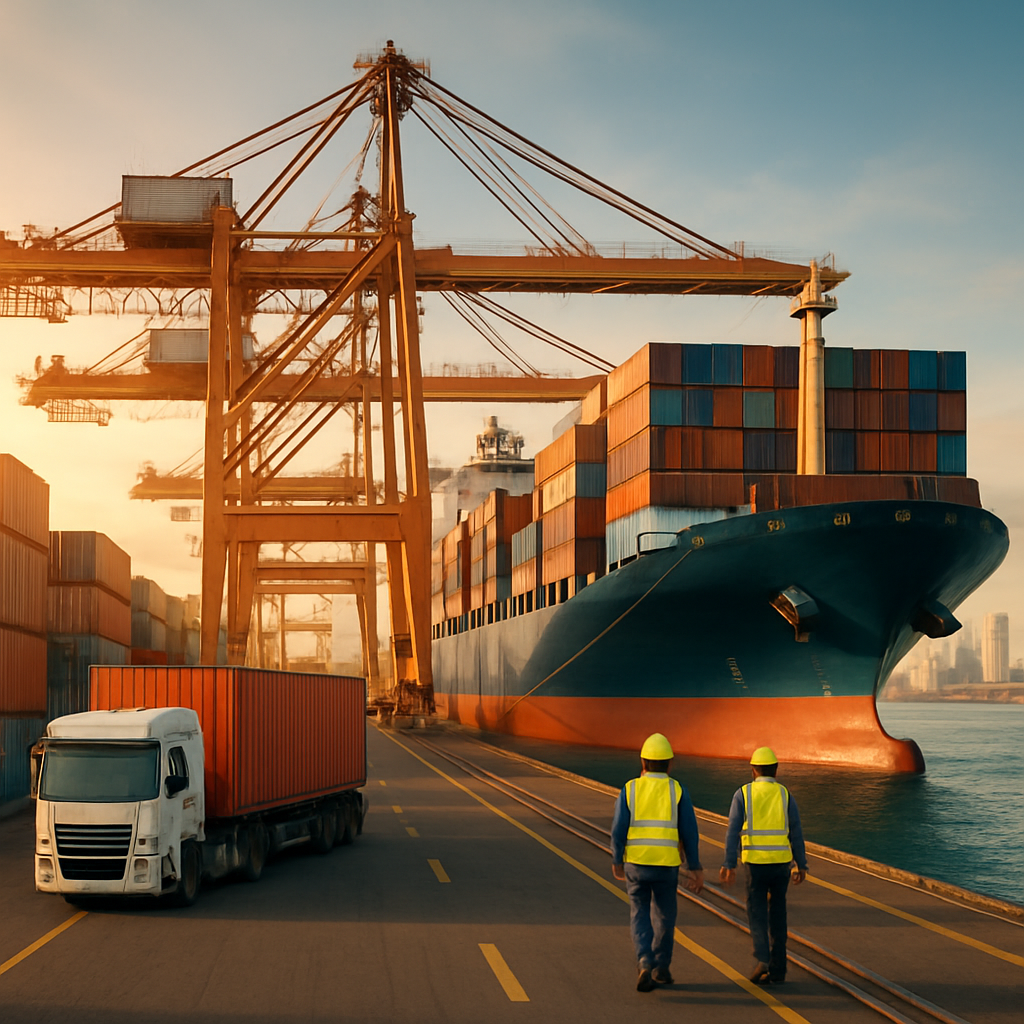
Ocean Freight Basics: A Comprehensive Guide for Businesses is more than a logistics headline; it describes a hidden pressure point in many Australian supply chains. Ocean freight underpins most international trade, yet it often receives serious attention only when costs blow out or containers are delayed at the terminal. Without clear oversight of services, contracts, and responsibilities, companies can quietly leak margin through avoidable charges, compliance errors, and missed efficiency gains that compound over time.
- Unclear total landed costs on each shipment.
- Frequent demurrage and detention fees from ports or carriers.
- Last‑minute paperwork and recurring documentation errors.
- Confusion over responsibilities under Incoterms with overseas suppliers.
- Surprise invoices for destination or empty‑container park charges.
Understanding Ocean Freight Basics
At its core, ocean freight combines multiple moving parts: origin handling, port charges, customs clearance, insurance, and final delivery. Businesses often focus only on the quoted rate per container, overlooking how ocean cargo services, local terminal fees, and regulatory requirements interact. In Australia’s tightly regulated environment, a single gap in documentation or misdeclared weight can stall a container at the wharf. For firms trading across Asia and Europe, even minor mistakes create ripple effects along entire supply chains.
Where Ocean Freight Inefficiencies Hide
Many inefficiencies stem from fragmented processes and unclear accountability between suppliers, freight forwarding solutions, and internal teams. Staff may rely on old spreadsheets, informal emails, or assumptions about who pays which charge. Reliance on the lowest headline rate can push shipments towards less transparent global ocean freight choices, where destination surcharges surface only after arrival. Over time, businesses normalise “unexpected” fees and delays instead of recognising them as warning signs of a deeper structural problem.
Regulatory Risks and Cost Pressures for Australian Importers
The Australian Competition and Consumer Commission has reported sustained volatility in container shipping costs, with some importers paying many times pre‑pandemic rates. At the same time, misclassified HS codes or missed free trade agreement concessions can leave importers overpaying duty or facing Australian Border Force scrutiny. Businesses experimenting with new international shipping options or suppliers may not fully appreciate how documentation, packing, and contracting standards vary by country, increasing the risk of holds, inspections, and schedule disruption.
Practical Warning Signs in Your Supply Chain
Typical red flags include regular arguments over who is responsible for terminal handling charges, repeated rollovers of vessel bookings, and staff unable to explain why one consignment incurred higher fees than another. If your team cannot quickly break down the cost components of Sea Freight on a recent shipment, visibility is likely poor. Companies considering business sea freight options or more complex containerized ocean freight solutions can easily lose track of ancillary charges without disciplined monitoring.
Unchecked, these problems damage cash flow, customer relationships, and resilience. Australian exporters promising tight delivery windows face particular exposure when relying on improvised sea freight forwarding solutions instead of consistent end-to-end ocean freight services. To understand how ocean freight processes interact with broader regulatory obligations, the Australian Border Force website at https://www.abf.gov.au offers detailed guidance on compliance expectations. As supply chains stretch and diversify, fit‑for‑purpose international freight forwarding services become central to managing risk rather than an optional extra.

Related posts

Environmental Regulations and the Push for Sustainable Sea Freight Solutions
Sea freight keeps the world connected—but at a cost to the planet. As pressure
Ocean Freight Trends 2026: What Forwarders Need to Know
Discover key ocean freight trends 2026, from capacity shifts to digitalisation a
Maersk Maintains Outlook Despite Container Demand Concerns
A.P. Moller-Maersk backed full-year guidance despite moderating expectations aro
