




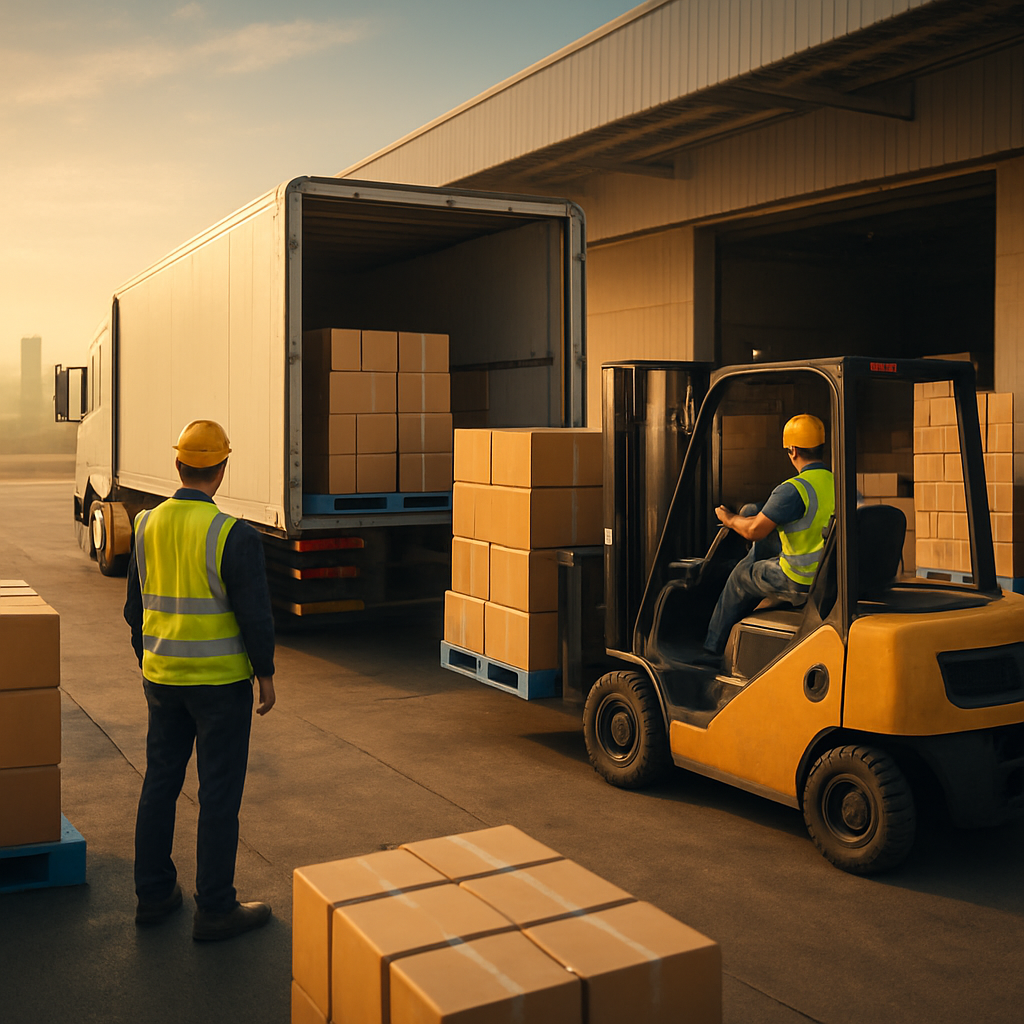
Road Freight Forwarding: Key Steps for Successful Shipments
Road Freight Forwarding: Key Steps for Successful Shipments
- Freight transportation services planning
- Risk and compliance visibility
- Load management and damage prevention
- Operational communication and tracking
- When to seek expert road logistics solutions
Understanding the Hidden Risks in Road Freight Forwarding
Road freight forwarding underpins Australian supply chains, yet many businesses still treat it as a routine admin task rather than a high-risk operational process. Within the first few loads, poor planning, vague instructions and incomplete documentation can harden into bad habits that are difficult to reverse. These issues are magnified as volumes rise and new cargo delivery options are added to support growth. Without clear standards, everyday runs can conceal systemic weaknesses that only become visible when something goes seriously wrong.
Why Freight Forwarding Problems Matter for Australian Businesses
Late deliveries, missed time slots and rejected loads quickly erode trust with major retailers and industrial customers. As domestic freight transport increases, congested corridors and tighter booking windows leave less room for error. Businesses may see growing demurrage charges, detention fees and insurance excesses without linking them back to upstream planning and compliance gaps. Over time, these hidden costs can make otherwise competitive logistics and shipping solutions appear unviable, even when the underlying freight model could be fixed.
Early Warning Signs in Planning, Documentation and Compliance
Red flags often appear long before a major incident. Last-minute bookings, vague collection windows and reliance on “regular runs” can undermine otherwise solid road haulage solutions. Frequent manifest corrections, confusion over pallet counts or recurring questions about who signs what suggest documentation systems are under strain. For organisations moving road freight transportation that includes dangerous goods or mixed freight, any uncertainty about Chain of Responsibility obligations is a serious indicator that processes are not keeping pace with operational risk.
Load Management, Visibility Gaps and Cargo Damage Risks
Improper load restraint, mixed pallet heights and inadequate wrapping remain leading causes of minor damage claims and near misses. Regular reports of crushed cartons, water-affected stock or drivers refusing to depart until loads are reworked point to deeper structural issues. At the same time, reliance on manual check calls and basic POD emails leaves planners blind when shipments deviate from schedule. Teams may spend hours chasing truck locations instead of refining truckload shipping options or improving land transport shipping options that would reduce recurring failures.
When to Seek Expert Support for Road Freight Forwarding
When chargebacks, delays and damage claims start to feel “normal”, it is usually a sign that your Road Freight model needs a systematic review. A structured assessment of carrier selection, planning standards, documentation workflows and road cargo delivery services can reveal relatively simple fixes with significant impact. Independent specialists can also benchmark cross-border freight logistics requirements, confirm alignment with the National Transport Commission’s Load Restraint Guide at https://www.ntc.gov.au and identify more resilient road freight forwarding strategies before issues escalate.
To understand whether your current road freight forwarding setup is quietly eroding margins, start by reviewing recent incidents, customer complaints and unplanned costs. If patterns emerge, it may be time to speak with an expert, test alternative road logistics solutions and tighten your processes before small inefficiencies turn into lost contracts. Take a proactive approach now to secure more reliable shipments and protect your position in an increasingly demanding freight market.

Related posts
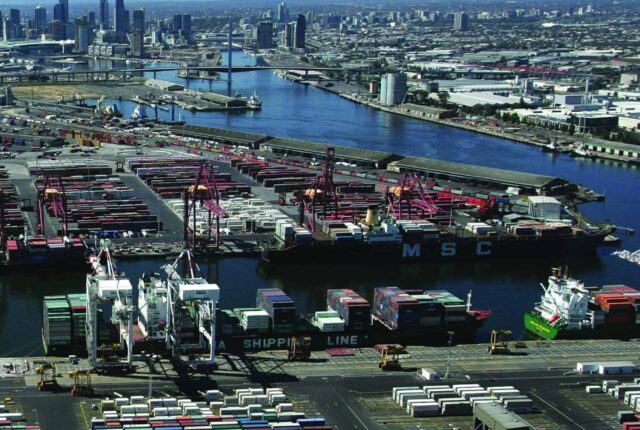
Severe Congestion at DP World Melbourne Terminal
Landside logistics operators are continuing to experience extreme congestion at
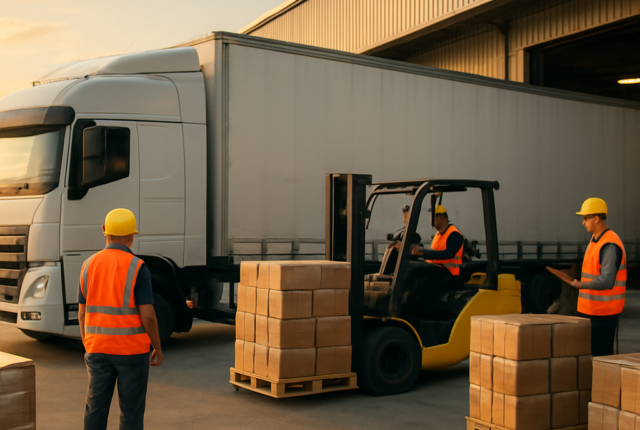
Full Truckload Shipping: Benefits and Best Practices Explained
Learn how Full Truckload shipping improves delivery reliability, cuts damage ris
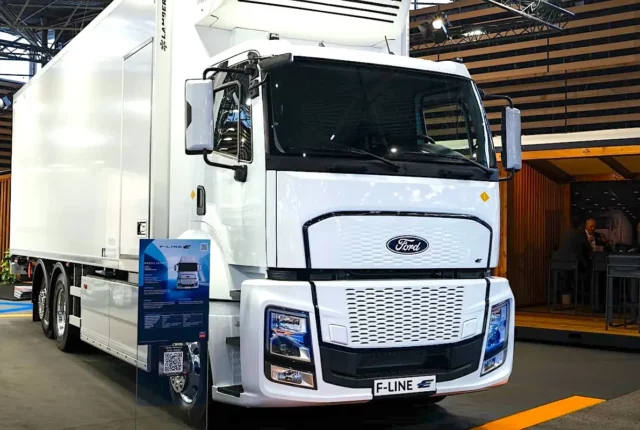
Electric Trucks Enter Mainstream Logistics in 2026: What Fleet Operators Need to Know
Electric trucks are no longer a distant experiment in road freight. In 2026, the
