




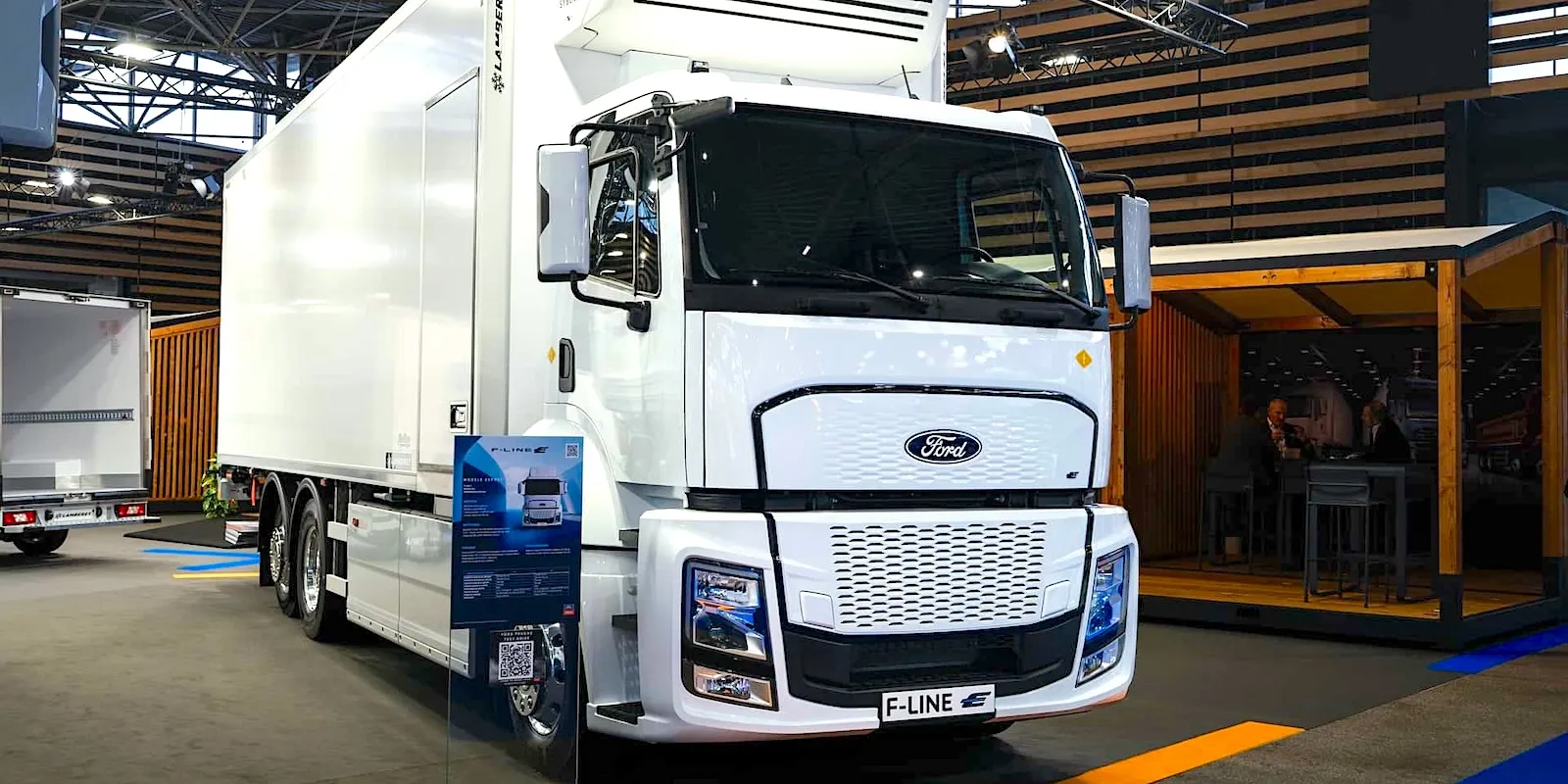
Electric Trucks Enter Mainstream Logistics in 2026: What Fleet Operators Need to Know
Electric trucks are no longer a distant experiment in road freight. In 2026, they are becoming a practical option for fleet operators, logistics providers, retailers, and shippers trying to reduce emissions without weakening delivery reliability.
The shift is being pushed by better battery range, stricter transport regulations, rising diesel volatility, and growing demand for cleaner supply chains. For companies that depend on road freight, the key question is no longer whether electric trucks are coming, but where they make operational and financial sense today.
Why Electric Trucks Are Entering Mainstream Road Freight
Electric trucks are entering mainstream logistics because the market has moved beyond small trials. More models are available, battery technology is improving, and large logistics brands are placing real fleet orders.
The International Energy Agency reported that electric medium- and heavy-duty truck sales exceeded 90,000 units worldwide in 2024, with more than 80% sold in China. By 2025, electric heavy-freight truck sales had tripled to more than 200,000 units.
This matters for road freight because scale changes everything. More trucks on the road encourage better maintenance networks, stronger resale confidence, improved charging infrastructure, and lower production costs.
Reuters reported that China’s electric heavy trucks grew from a niche segment to over a quarter of new truck sales in early 2026. The growth was supported by subsidies, high diesel prices, and expanding charging networks.
Where Electric Trucks Work Best in 2026
Electric trucks are not replacing every diesel truck overnight. Their strongest use cases are routes with predictable distance, known loading patterns, and planned charging windows.
That makes them useful for urban distribution, supermarket deliveries, parcel logistics, warehouse-to-store movements, municipal fleets, and port-to-warehouse transport. Urban freight is a natural fit because daily mileage is usually shorter and vehicles often return to the same depot.
The Australian Renewable Energy Agency notes that urban freight typically involves short-haul deliveries, depot-based operations, and predictable daily routes. These conditions make battery electric trucks well-suited to city logistics.
Regional road freight is also becoming more realistic. DSV’s February 2026 road freight update noted that newer electric truck models can now offer up to 600 km of driving range.
Total Cost of Ownership Matters More Than Sticker Price
Electric trucks usually cost more upfront than diesel trucks. However, fleet operators should compare them through total cost of ownership, not purchase price alone.
TCO includes vehicle cost, energy cost, maintenance, charging infrastructure, driver time, tax incentives, toll benefits, downtime, and residual value. Energy is where electric trucks can become attractive because electricity is often cheaper and less volatile than diesel.
Maintenance may also be lower because electric drivetrains have fewer moving parts than diesel engines. However, the savings depend heavily on electricity rates, charger utilization, fleet size, and duty cycle.
Infrastructure can be expensive. The ICCT estimated that a small U.S. depot charging facility prototype could cost $7.9 million, while medium and large prototypes were estimated at $15.4 million and $15 million respectively.
Charging Infrastructure Is the Make-or-Break Factor
For many fleets, the biggest challenge is not buying electric trucks. It is charging them reliably.
A fleet operator must know where trucks will charge, how long they will charge, whether the depot has enough grid capacity, and what happens when schedules change. Depot charging is currently the most practical model for many road freight operators.
Depot charging allows companies to charge vehicles overnight or during planned downtime. It also reduces dependence on public charging, which is still uneven for heavy-duty vehicles.
Public charging is still important, especially for long-distance freight. Europe is addressing this through heavy-duty charging infrastructure under the Alternative Fuels Infrastructure Regulation.
EAFO reported that November 2025 data showed steady and geographically widening progress in heavy-duty vehicle charging deployment across Europe. This included more ultra-fast charging locations.
What Fleet Operators Need to Check Before Buying Electric Trucks
Before investing in electric trucks for road freight, operators should audit their routes, vehicles, depots, and customer commitments. The goal is to identify where electrification will improve cost, emissions, or service reliability without creating operational risk.
A strong assessment starts with route distance. Operators need to know how many routes stay within the truck’s real-world range after payload, terrain, weather, and driver behavior are considered.
Next is dwell time. The fleet must confirm whether each truck sits long enough at the depot, warehouse, or loading point to charge.
Payload also matters. Battery weight may affect usable capacity, depending on the vehicle class and local regulations.
Fleet operators should also review charging power. A small fleet may manage with lower-power depot charging, while a large regional operation may need high-power DC charging, load balancing, and grid upgrades.
Customer involvement is also important. Some shippers may value sustainable road freight logistics enough to support longer contracts, green freight premiums, or dedicated route planning.
The Role of Electric Trucks in Green Shipping
Green shipping is often associated with ocean freight, but road freight is part of the same emissions story. Goods rarely move by ship alone.
A shipment may arrive by sea, move through a port, and then travel by truck to a warehouse, factory, or distribution center. If that road leg uses a zero-emission truck, the overall logistics chain becomes cleaner.
This is why road freight electrification supports broader green shipping strategies. Cleaner trucking can help reduce emissions across the full supply chain, not just the ocean freight portion.
For companies reporting Scope 3 emissions, cleaner trucking can also support sustainability claims. Shippers increasingly want logistics partners that can provide emissions data, lower-carbon routing, and credible decarbonisation plans.
Conclusion
Electric trucks are entering mainstream road freight in 2026, but the smartest fleets will treat electrification as a logistics strategy, not just a vehicle purchase. The strongest opportunities are in depot-based, urban, port, and regional freight where routes are predictable and charging can be controlled.
Costs, charging infrastructure, grid capacity, and operational planning still matter. However, the direction is clear: electric trucks are becoming a serious tool for cleaner, lower-emission logistics.
For fleet operators, the right question is no longer whether electric trucks are coming. It is which routes, customers, and depots are ready for them first.
FAQs
Are electric trucks practical for road freight in 2026?
Yes. Electric trucks are practical for urban delivery, last-mile logistics, depot-based routes, and regional freight.
They are less universal for long-haul routes where charging infrastructure and range planning are still developing.
What is the biggest challenge with electric trucks?
The biggest challenge is usually charging infrastructure. Fleet operators need enough depot power, reliable chargers, grid coordination, and charging schedules to keep trucks moving.
Are electric trucks cheaper than diesel trucks?
Electric trucks often cost more upfront. However, they can become competitive through lower energy costs, reduced maintenance, incentives, and high daily utilization.

Related posts
Port of Long Beach: Shipping Container Update
The Port of Long Beach is the second-busiest shipping container port in the Unit

Most Companies Kept Supply-Chain Sustainability Goals Despite Covid-19
Companies largely maintained their focus on supply-chain sustainability goals in
Building Success: Project Logistics Strategies for Construction Projects
In the dynamic realm of construction projects, the significance of project logis
