




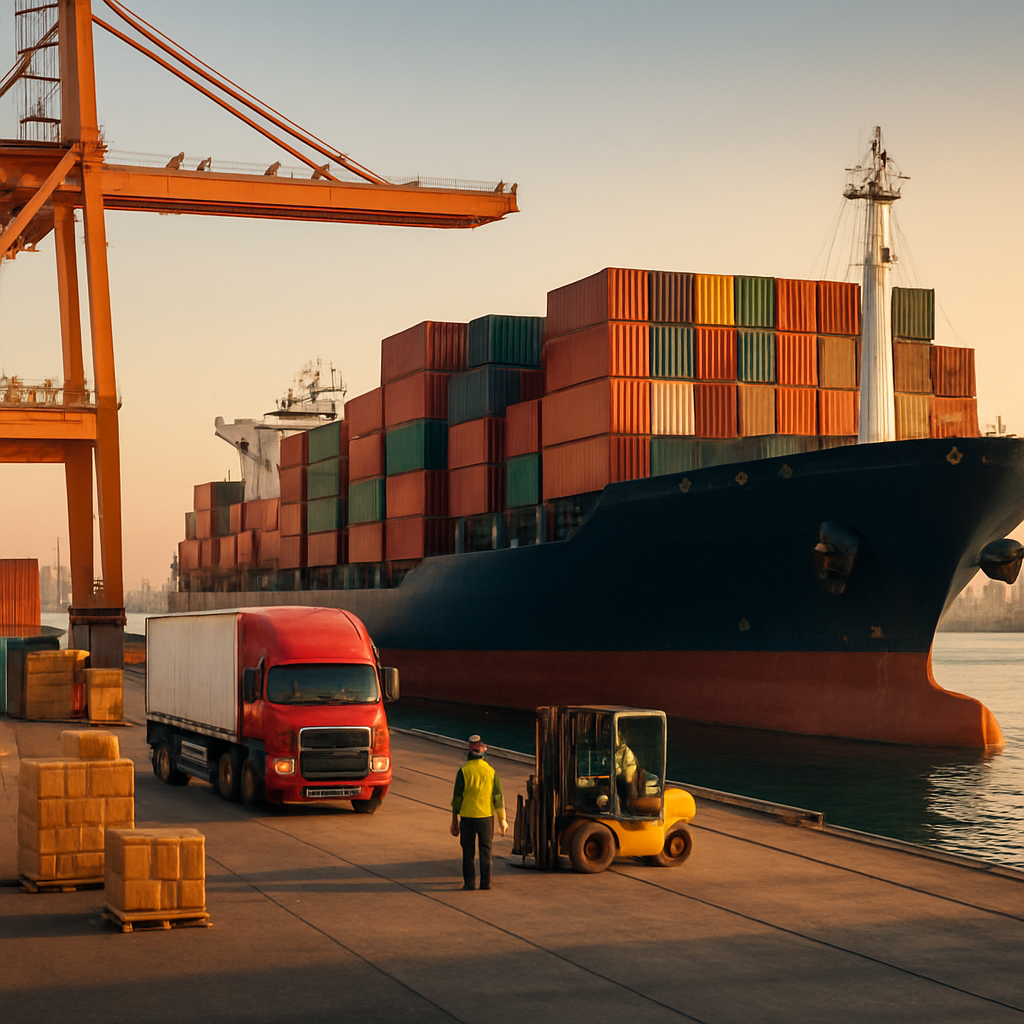
Road vs Rail vs Sea Freight: A 2026 Comparison Guide
Australia’s freight market is evolving quickly, and shippers need more than a simple mode choice; they need a partner that can intelligently orchestrate road, rail and sea. Road vs Rail vs Sea Freight: A 2026 Comparison Guide is no longer just about price per kilometre, but about end-to-end design, risk management and emissions performance. Domestic & Coastal differentiates itself by integrating all three modes into a single, accountable operating model.
Road vs Rail vs Sea Freight: A 2026 Comparison Guide
Most providers still sell capacity in silos, yet customers want solutions that blend speed, cost and reliability. Road freight continues to dominate non-bulk movements and enables fast local delivery options, urgent replenishment and flexible partial loads. Rail adds scale and cost-efficiency on long corridors, while coastal freight solutions open up additional capacity on port-to-port legs where time is less critical. The competitive edge lies in combining these strengths into one coherent network rather than forcing every shipment into a single mode.
Where many carriers focus on a narrow footprint, Domestic & Coastal designs domestic interstate logistics planning that starts with your service promise and works backwards to the optimal mode mix. This means road for time-sensitive distribution, rail for predictable high-volume flows, and coastal shipping for heavy or non-urgent cargo. By modelling transit times, dwell, handover points and risk, the business can show you a practical interstate freight cost comparison instead of isolated linehaul quotes that hide the true landed cost.
Another key difference is the operational control layer. A single, centralised team manages planning, execution and exception handling across road, rail and sea, giving shippers one point of accountability instead of multiple providers and fragmented updates. This structure supports multimodal coastal and rail freight services that are coordinated with first and last mile road legs, so you can plan interstate port-to-door services without stitching together separate contracts or incompatible tracking systems.
- Integrated mode selection based on service level, not just rate cards
- Network modelling to map lanes, volumes and cut-off times accurately
- Transparent comparison of road, rail and sea options for each route
- Coordinated first and last mile to avoid handover delays and confusion
- Data-driven recommendations to support budget and emissions targets
Technology, transparency and sustainability leadership
Technology is not an add-on; it underpins every planning decision. Using reliable transit and congestion data, the team validates assumptions about coastal freight vs road transport and identifies where mode shifts can reduce risk or cost. Public resources such as the Australian Government’s Freight Australia data hub at https://datahub.freightaustralia.gov.au help benchmark network performance and inform sustainable coastal freight options that still meet your delivery commitments.
Making confident freight decisions for 2026 and beyond
For logistics managers, the real issue is clarity: which combination of modes best supports customer promises, cash flow and growth plans. By assessing cargo type, demand patterns, risk tolerance and emissions targets, you can build a balanced mix of interstate shipping services and local last mile delivery that supports resilience rather than just chasing the lowest unit rate. Thoughtful local freight routing strategies can then align metropolitan distribution with long-haul corridors for a joined-up national approach.
- Clarify service priorities by lane and customer segment
- Compare road, rail and sea options using total landed cost
- Factor in reliability, capacity risk and cut-off time constraints
- Model emissions impacts of different mode mixes across the year
- Align contracts and governance around a single accountable provider
If you are reassessing your network design, now is the right time to map your freight profile across current and emerging modes. Engage with the team to review your data, challenge existing assumptions and build a pragmatic 2026 plan that balances cost, speed, reliability and sustainability. By partnering with Domestic & Coastal, you can compare your options with confidence and implement an integrated road, rail and sea strategy that supports long-term competitive advantage.

Related posts
Supply Chain Snarls Show Little Signs of Subsiding
Container shipping lines are set for another bumper year of earnings as supply c
Typhoon Brings More Supply Chain Chaos In China!
This week a typhoon caused a lot of Supply Chain Chaos In China. More freight de

Digital Solution to Track Vessel Emissions
Due to the regulations on carbon emissions becoming increasingly more stringent,
