




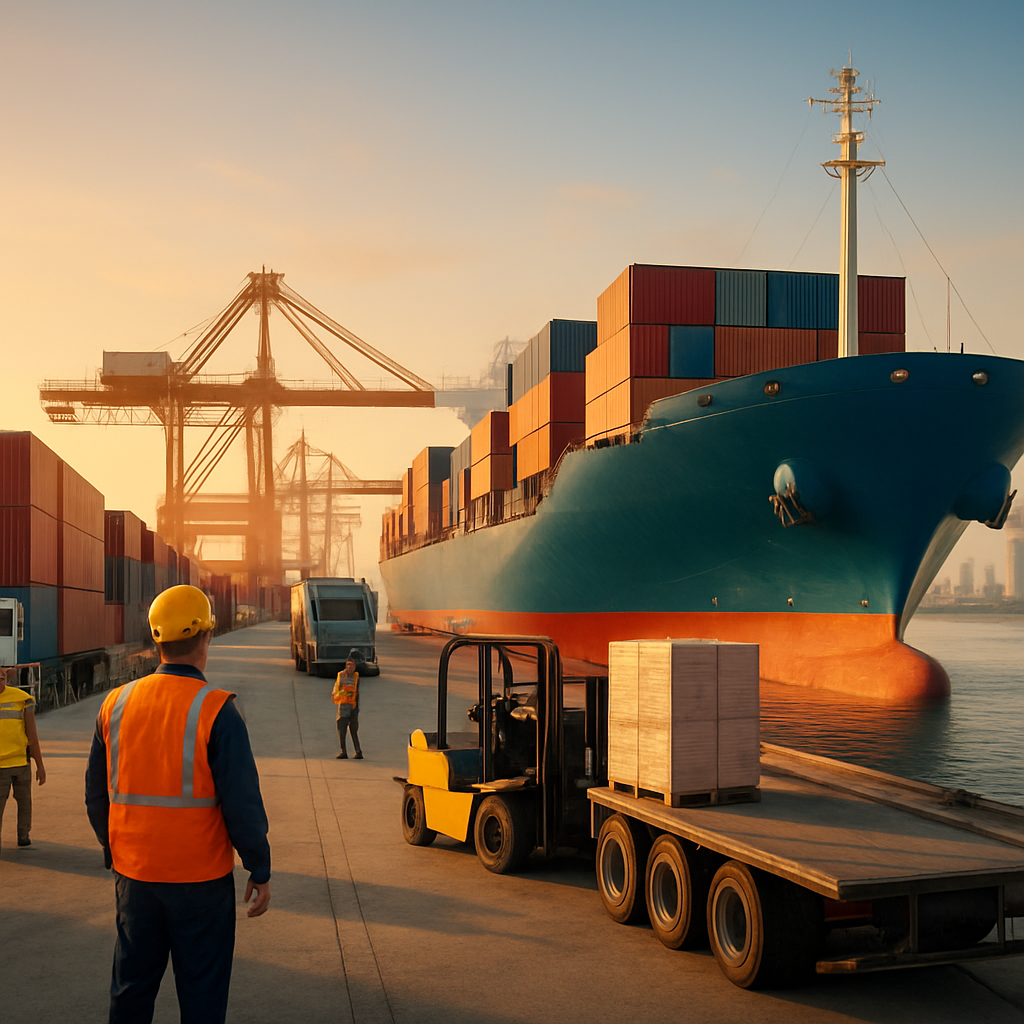
Coastal Shipping vs Rail Freight: Making the Right Choice
Choosing between coastal shipping vs rail freight in Australia can feel complex when you’re balancing cost, transit time, reliability, and sustainability. The right decision affects customer satisfaction, inventory risk, and long-term competitiveness. By understanding how each mode works and what trusted providers do behind the scenes, you can move away from guesswork and towards a confident, data-backed freight strategy.
The most reliable logistics partners don’t just quote a rate; they explain the trade-offs, share performance data, and help you choose the mode that genuinely fits your freight profile.
Coastal Shipping vs Rail Freight: What Australian Businesses Need to Know
Coastal shipping moves containers and bulk loads between domestic ports, providing domestic coastal freight services that are ideal for heavy, non-urgent cargo. Rail freight, by contrast, connects ports, inland terminals, and major cities along national interstate freight routes, usually offering faster domestic transit times. A credible provider will explain where each mode works best for your freight, including realistic cut-off times, likely dwell periods at ports or terminals, and how interstate shipping services can be combined with first and last mile road.
How Trusted Providers Design Rail and Coastal Freight Solutions
Reliable operators start with a lane-by-lane assessment, comparing total landed cost across coastal freight solutions and rail options, not just headline rates. They model volume patterns, lead time requirements, and seasonal peaks to decide where integrated rail and coastal freight provides the lowest overall risk. You should expect clear explanations of handling processes at terminals and ports, safety and compliance standards, equipment types used, and how port-to-door interstate logistics are coordinated to protect your cargo from damage or delay.
Key Factors That Build Confidence in Your Freight Decision
To trust a logistics partner with cost-effective interstate transport, you need transparency and evidence, not vague promises. Look for operators who share on-time performance metrics, incident reporting processes, and contingency plans for weather or network disruptions. A strong provider will also explain how flexible local freight delivery is organised, including any local delivery options that support regional freight delivery choices. Independent references such as the Australian Government’s National Transport Commission reports at https://www.ntc.gov.au can further validate emissions and safety claims around each mode.
Domestic & Coastal helps businesses map freight flows, compare interstate coastal shipping options, and design multi-leg services that balance speed, cost, and sustainability. Their teams clarify how shipments are tracked, how exceptions are managed in real time, and which service levels best fit your commitments to customers. When you’re ready to review your current network, including coastal shipping vs rail freight choices, request a consultation, ask detailed questions about processes and performance data, and move forward with a tailored plan that gives you confidence in every delivery.

Related posts
Container Shipping Congestion in L.A.
Due to the huge amount of container shipping congestion in L.A., sailing around

Neo Orbis: Revolutionary Solid Form Hydrogen Propulsion Vessel
Known as the Neo Orbis, a revolutionary solid form hydrogen propulsion vessel th
Maritime Regulator Sets Carbon Measures Amid Dissent
The world’s top maritime regulator has agreed to a plan to cut the “carbon-i
