





Customs Documentation Requirements: What You Need for 2026
Australian businesses planning ahead for 2026 know that getting Customs Documentation Requirements right is central to smooth, predictable trade. With the Australian Border Force tightening data standards and digital lodgement expectations, you need confidence that every document, declaration, and data field is accurate, consistent, and fully traceable across your supply chain.
“When your customs documentation is clear, consistent, and accurate the first time, you reduce delays, unplanned costs, and compliance anxiety across every shipment.”
Customs Documentation Requirements: What You Need for 2026
By 2026, the core Customs Documentation Requirements will feel familiar, but scrutiny around data accuracy will be far higher. Importers and exporters will be expected to align invoices, packing lists, transport documents, and permits with a single source of truth, reducing errors in values, quantities, and Incoterms. A clear customs documentation process gives you confidence that your ICS lodgements withstand regulatory review and audit.
How Australian Customs Clearance Builds Confidence
Working with a licensed broker for Customs Clearance helps translate complex import export regulations into predictable outcomes for your business. Your broker checks HS classifications, validates supplier data, and ensures all customs clearance documentation is consistent before anything is lodged with authorities. This disciplined approach reduces the chance of holds, queries, or penalties, and gives your finance and logistics teams clear visibility of landed costs.
Reducing Risk with Structured Compliance Processes
Stronger international shipping compliance is built on repeatable processes, not one-off fixes when something goes wrong. Leading providers maintain an internal import compliance checklist, clearly mapping who creates each document, who verifies it, and how it flows into customs filing procedures. By standardising descriptions and maintaining records of tariff rulings, you protect your business against disputes while aligning with global import export rules and cross-border trade compliance expectations.
Trust grows when you can see the standards behind the service. Quality-focused customs specialists invest in staff training on export documentation guidelines, maintain membership with bodies such as the Freight & Trade Alliance, and regularly review their systems against current customs paperwork requirements. For independent guidance on Australian regulation and policy, you can also refer to the Australian Border Force website at https://www.abf.gov.au, which sets the framework for trade compliance for shippers nationwide.
If you are unsure how ready your team is for 2026, now is the time to review your customs clearance documentation and map every step from purchase order to final delivery. Reach out to our experienced Australian customs specialists to discuss your situation, benchmark your processes, and put practical safeguards in place so you can trade with confidence and clarity in the years ahead.

Related posts
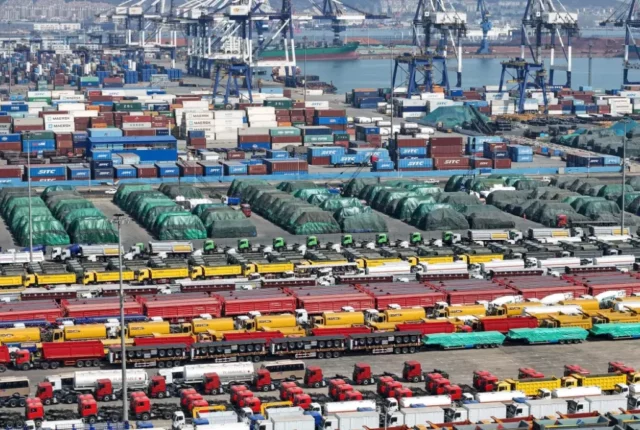
New Compliance Alert: Updated Chinese Export Regulations
We wish to bring to your attention upcoming changes to Chinese export regulation
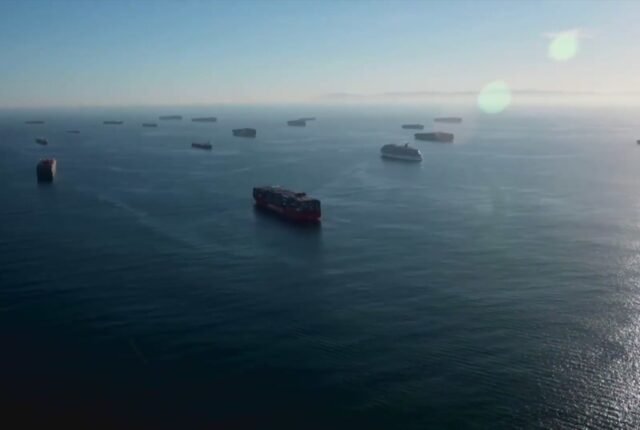
Container Shipping Congestion in L.A.
Due to the huge amount of container shipping congestion in L.A., sailing around

The Importance of Accurate Documentation in Custom Clearance
Custom clearance can be a daunting and complex process, especially for those who
