




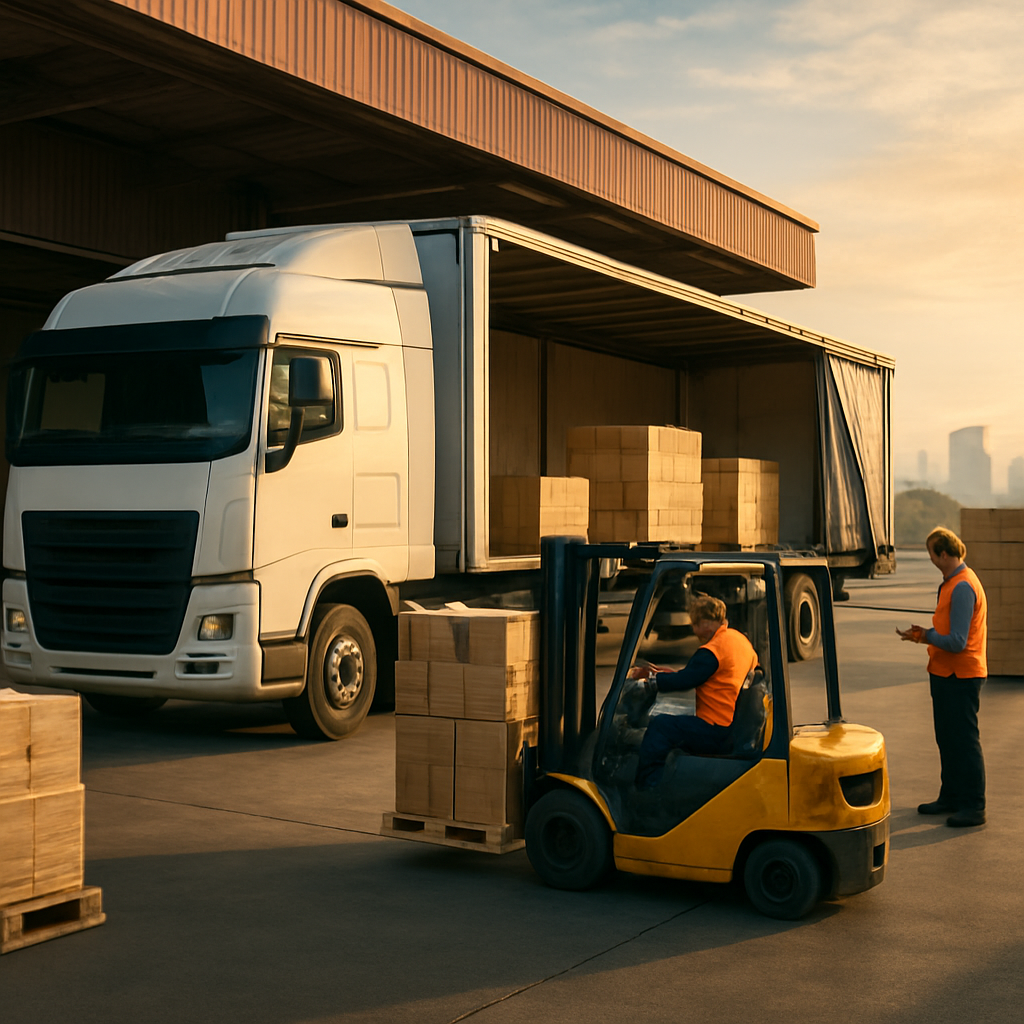
Door-to-Door Haulage: Simplifying Your Delivery Process
Door-to-door haulage in Australia is reshaping how companies move goods, offering end-to-end control that traditional multi-carrier models can’t match. For local businesses under pressure from e-commerce expectations and tight margins, choosing the right partner for door-to-door logistics solutions can be the difference between repeat customers and rising complaints.
5 Ways Door-to-Door Haulage Streamlines Australian Road Freight
This model of Road Freight gives shippers a single accountable provider from pickup to delivery, reducing handovers and delays. With Australia’s long distances and regional hubs, that joined-up approach helps keep inventory moving smoothly while giving operations teams clearer ETAs and fewer surprises.
1. End-to-End Convenience for Busy Operations Teams
Door-to-door haulage eliminates the need to juggle multiple freight transportation services, depot drop-offs, and last-mile couriers. Your team books one job, receives one consignment note, and tracks one provider from warehouse to customer. This simplicity is especially valuable for SMEs without an in-house logistics manager, freeing staff to focus on sales and service instead of chasing trucks.
2. Faster, More Reliable Transit Times
With fewer touchpoints and transfers, freight spends less time sitting in depots waiting for the next leg. Integrated road freight transportation allows carriers to optimise routes, consolidate compatible loads, and reduce loading delays. This often cuts lead times and supports time-critical freight delivery for sectors such as healthcare, industrial supplies, and food and beverage distribution.
3. Flexible Cargo Delivery Options Across Australia
Modern operators offer scalable cargo delivery options that range from single cartons to palletised freight and full truckloads. That flexibility helps businesses adjust quickly to seasonal spikes or promotional campaigns without locking into rigid contracts. It also supports domestic freight logistics into regional centres and remote communities that depend on consistent supply.
4. Better Visibility Through Technology
Real-time tracking, automated status alerts, and digital proof of delivery are now standard features in leading logistics and shipping solutions. These tools give customer service teams accurate information when clients call, while also helping planners analyse performance and on-time delivery rates. Resources such as the Bureau of Infrastructure and Transport Research Economics’ data at https://www.bitre.gov.au/ highlight how technology is lifting national freight efficiency.
5. Lower Risk and Clearer Cost Control
Using one provider for business cargo delivery services reduces the risk of damage during multiple handlings and minimises chances of misrouted freight. Transparent pricing structures and consolidated invoices also make it easier to compare road haulage shipping options and budget accurately. Many shippers now factor in sustainability targets too, leveraging optimised routes to cut emissions within broader port-to-door cargo services strategies.
- Assess your current transit times and damage rates against end-to-end haulage models.
- Ask providers how they manage domestic freight logistics into regional and rural locations.
- Check safety records, insurance coverage, and service guarantees in all proposals.
- Confirm how your provider supports cross-border trucking solutions if you trade internationally.
- Review how their systems integrate with your warehouse or transport management platforms.
If your business is experiencing rising complaints, late deliveries, or fragmented carrier relationships, shifting to integrated door-to-door haulage could be the circuit-breaker. Talk with a specialist provider today about tailored road freight transportation and explore how a single partner can redesign your freight network for cost, reliability, and service performance. Request a detailed quote or consultation to benchmark your current model and identify practical improvements.

Related posts
Understanding Road Freight Basics: A Guide for New Businesses
Understand road freight basics in Australia with this practical guide for new bu
Maximizing Efficiency in Road Freight: Strategies for Streamlined Operations
In the fast-paced world of logistics and transportation, maximizing efficiency i
Hauling Profits: Strategies for Success in Road Freight Transport
In the fast-paced world of road freight transport, achieving hauling profits is
