




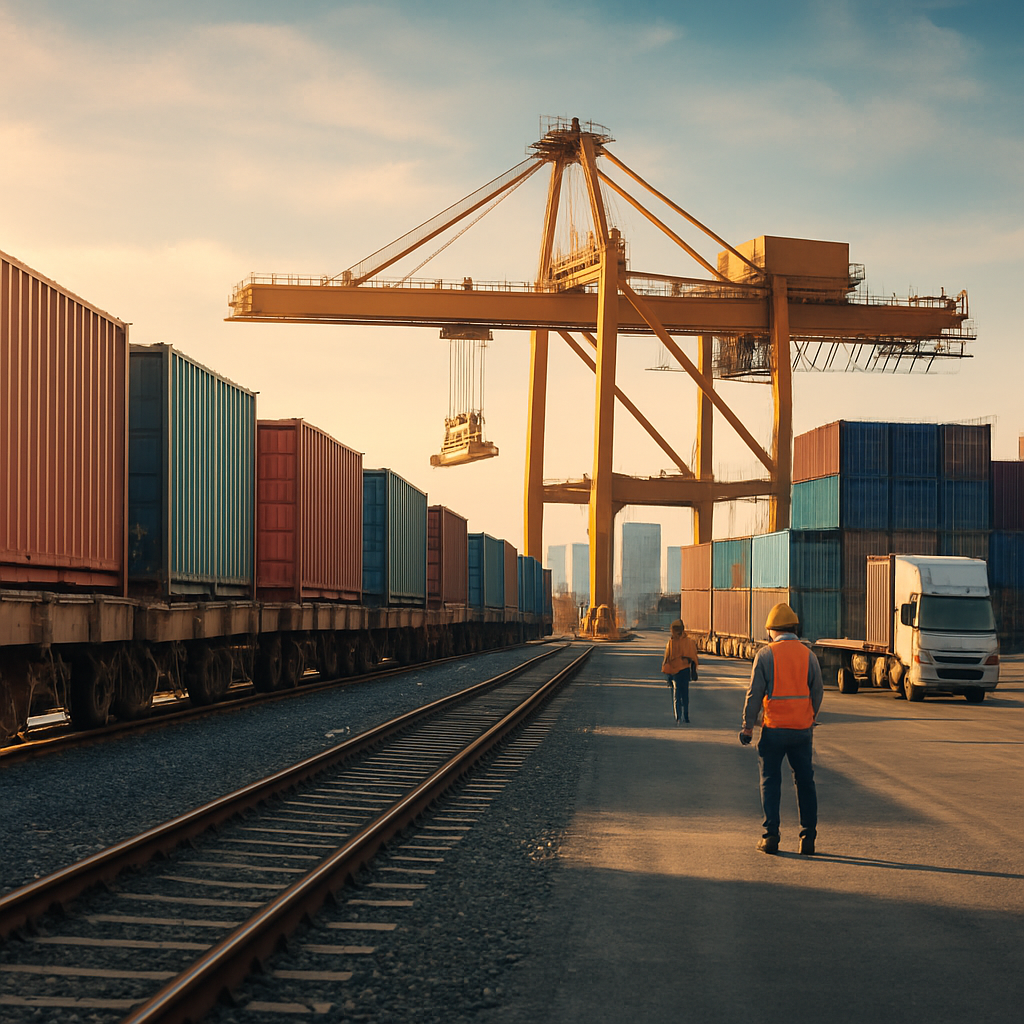
Intermodal Shipping Explained: The Role of Rail in Logistics
Intermodal shipping combines multiple transport modes—typically sea, road and rail—to move freight efficiently across Australia’s vast distances. For logistics managers under pressure to control costs, cut emissions and maintain service levels, getting this mix right is now a strategic priority. By aligning Rail Freight with well-planned road legs and port operations, businesses can unlock reliable, scalable freight transportation solutions that outperform all-road approaches on key metrics.
1. What Is Intermodal Shipping and Why It Matters
Intermodal shipping uses standardised containers transferred between trucks, trains and vessels without unpacking the cargo. For Australian shippers facing long linehaul legs between ports and inland hubs, this limits handling, reduces damage and keeps schedules predictable. Intermodal shipping services are particularly effective on corridors linking Sydney, Melbourne, Brisbane and major regional centres, where container volumes justify regular rail services and coordinated terminal operations.
2. How Rail Freight Powers Long-Distance Efficiency
On long-haul routes, rail moves large volumes using far less fuel per tonne-kilometre than road. The Australasian Railway Association notes trains can be up to four times more fuel efficient than trucks, which translates into lower operating costs and a smaller carbon footprint. When paired with thoughtful rail freight transportation options for first and last mile delivery, rail becomes the backbone of cost-effective national distribution.
3. Cutting Emissions and Road Congestion
Shifting freight from highways to rail reduces congestion, road wear and transport emissions. Infrastructure Australia reports each fully loaded freight train can replace around 110 heavy vehicles, easing pressure on key freight corridors and maintenance budgets. For companies committed to sustainable freight transportation planning and ESG reporting, embedding rail into their network design provides tangible, reportable emissions reduction outcomes.
4. Reliability, Safety and Network Reach
Australia’s interstate rail network offers scheduled services between capital cities and key inland hubs, with fewer disruptions from driver shortages or fatigue than road. When supported by professional intermodal rail logistics services, freight benefits from secure handling, lower accident risk and strong on-time performance. This reliability is crucial for sectors such as retail, manufacturing and resources that depend on stable logistics and supply chain operations.
5. When to Engage an Intermodal Logistics Specialist
Warning signs that you may need expert support include volatile transit times, rising long-haul costs and difficulty meeting carbon or service targets. A specialist can design a rail-based freight transportation strategy, model lane volumes and coordinate port, terminal and trucking operations into end-to-end intermodal shipping solutions. For complex networks, integrated logistics and supply chain planning ensures rail and road work together rather than in competition.
- Clarify which lanes are best suited to Rail Freight and which should remain road-only.
- Benchmark cost, service and emissions performance across current and proposed routes.
- Identify infrastructure constraints such as terminal access, cut-off times and equipment availability.
- Assess opportunities for cross-border intermodal rail shipping on international supply chains.
- Develop staged implementation plans that minimise disruption while new services ramp up.
To explore how intermodal rail can strengthen your logistics and supply chain performance, request a tailored lane assessment from a specialist provider. Independent analysis of your network, volumes and service requirements will highlight the most effective intermodal shipping services and quantify potential savings. For broader context on Australia’s freight tasks, review Infrastructure Australia’s freight publications at https://www.infrastructureaustralia.gov.au. Then speak with an expert team to design a practical, implementation-ready plan for your business.

Related posts
Cargo on Rails: Maximizing Efficiency in Rail Freight Operations
In the dynamic world of logistics, efficiency is the cornerstone of success. Whe
On Track for Success: Strategies for Efficient Rail Freight Planning
Rail freight planning is a critical aspect of logistics, playing a pivotal role
European Rail Operators Increase Cargo Traffic from China
European rail freight may have been having a torrid time recently, but it appear
