




Efficient Port Transfers: Streamlining Your Inland Delivery
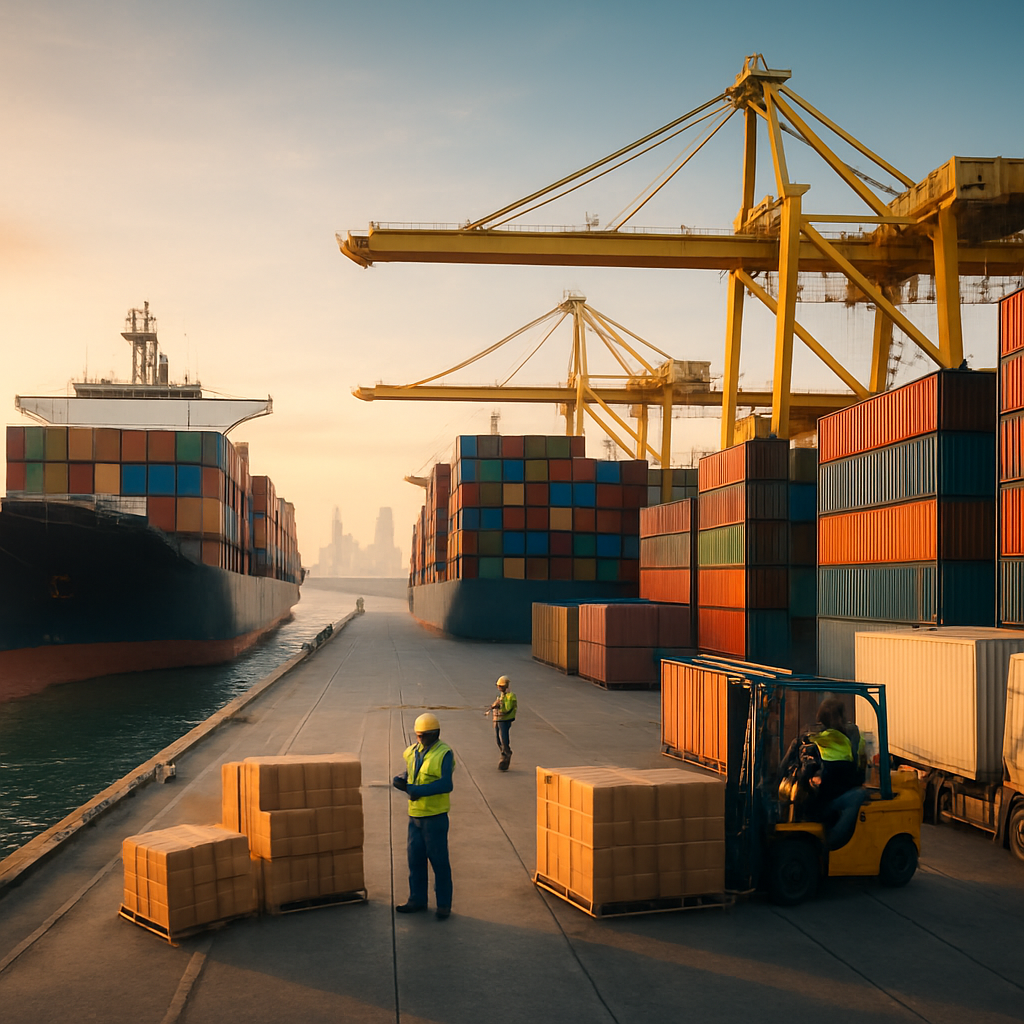
Efficient Port Transfers: Streamlining Your Inland Delivery is emerging as a critical issue for Australian importers and exporters as container volumes rise and landside congestion worsens. Many businesses still treat port transfers as a low-priority operational task, only noticing the problem when containers sit on the wharf, trucks overrun their slots, or invoices spike unexpectedly. In reality, the port interface is where avoidable delays, duplicated handling and opaque charges quietly undermine margins and reliability across the entire supply chain.
- Truck turnaround times blowing out beyond booked slots
- Containers accruing demurrage or detention more often than planned
- Frequent last-minute rescheduling due to vessel or terminal changes
- Increased double-handling through interim depots and holding yards
- Limited visibility between vessel discharge, road or rail leg, and final delivery
Why inefficient port transfers quietly erode performance
When port moves are poorly planned, the immediate impact is lost time at the terminal, but the downstream effects are far more serious. Delays at major gateways like Botany, Melbourne or Fremantle compress already tight delivery windows, increase fatigue pressure on drivers and heighten compliance risk. For receivers relying on just-in-time inventory or local last mile delivery, a few hours’ slippage at the quay can trigger stock-outs, production stoppages and emergency freight decisions that blow out budgets.
Warning signs in your inland delivery network
Several recurring patterns indicate that port transfers are undermining inland logistics rather than supporting them. Regular use of express interstate transport to “catch up” late containers is one red flag, as is routine overtime at warehouses waiting for delayed trucks. Businesses that find themselves constantly juggling local delivery options, paying weekend labour to unpack late boxes, or shifting cargo through temporary depots may be masking a structural port-planning problem instead of addressing root causes.
Systemic causes at Australian container ports
The drivers of inefficiency are typically systemic, not individual. Limited operating windows, siloed systems and manual bookings mean transport operators often react to events rather than execute a data-led plan. Under-used rail options and fragmented interstate freight routing keep additional trucks on congested roads, while misaligned cut-off times between terminals, distribution centres and regional receivers further squeeze available line-haul time. According to the Bureau of Infrastructure and Transport Research Economics, such bottlenecks can materially increase national freight costs when left unresolved.
The magnified risk for coastal and regional receivers
For regional centres and coastal communities, every hour lost at the wharf is magnified inland, especially where multimodal coastal freight or connecting line-haul legs are involved. Missed sailings, curtailed driving windows and seasonal surges can leave cargo stranded for days, with eco-friendly coastal shipping and coastal freight solutions offering little benefit if containers never clear the port on time. Operators such as Domestic & Coastal see how minor delays cascade into larger schedule blowouts for remote receivers who lack flexible local freight services.
Addressing these problems begins with visibility and honest diagnosis. Mapping a recent shipment from vessel discharge to final drop, including door-to-port interstate shipping legs and any coastal freight cost comparison exercises, can reveal hidden waits, manual workarounds and duplicated handling. Businesses that recognise these warning signs early are better placed to redesign processes, leverage interstate shipping services more intelligently and seek specialist advice before growth makes the inefficiencies harder and more expensive to fix. To assess whether your current setup is holding you back, consider reviewing official port performance data via Infrastructure Australia at https://www.infrastructureaustralia.gov.au and then speaking with an expert to test your assumptions.

Related posts
Biofuel Supply Framework in Development
Currently, Singapore-based Global Centre for Maritime Decarbonisation (GCMD) are
Digital Solution to Track Vessel Emissions
Due to the regulations on carbon emissions becoming increasingly more stringent,

Biofuel Trials Launched To Safeguard The Shipping Industry
As the shipping industry is having more pressure applied to reduce emissions, ne
