





Risk Management Strategies for Dangerous Goods Logistics
Dangerous Goods logistics in Australia is often treated as routine, yet hidden weaknesses in planning, documentation and execution can turn an everyday movement into a costly incident. From fuels and corrosives to lithium batteries, operators rely on complex chains of custody and strict rules that leave little room for error. When pressure to deliver on time overrides careful checks, the risk of breaches, near misses and long-term reputational harm quietly grows inside the supply chain.
- Unclear accountability for hazardous materials transport safety across consignors, loaders and carriers
- Gaps between written procedures and what actually happens on the warehouse floor
- Inconsistent incident reporting that hides patterns of recurring near misses
- Underinvestment in technology to monitor temperature, dwell time and route deviations
- Assumptions that compliance with the ADG Code is only a paperwork requirement
Recognising the hidden risks in Dangerous Goods logistics
For many Australian fleets, Dangerous Goods logistics looks compliant on paper but frays under real-world conditions. Time-poor supervisors sign off loads without verifying segregation rules or checking container integrity. Documentation is re-keyed between systems, increasing the chance of misclassified freight or missing information on emergency contacts. These weaknesses rarely trigger immediate disaster, but they quietly erode risk controls for dangerous goods logistics over months and years.
Why poor risk management in Dangerous Goods logistics matters
When controls fail, consequences can be severe: injuries, environmental contamination, road closures and long investigations. Regulators enforcing shipping regulations for chemicals expect operators to demonstrate robust systems, not just basic labels and placards. Civil penalties, remediation costs and insurance disputes often dwarf the original freight value. Equally damaging is the loss of trust when major customers review supply chains after a spill, fire or uncontrolled reaction linked to dangerous materials handling.
Common warning signs your operations are exposed
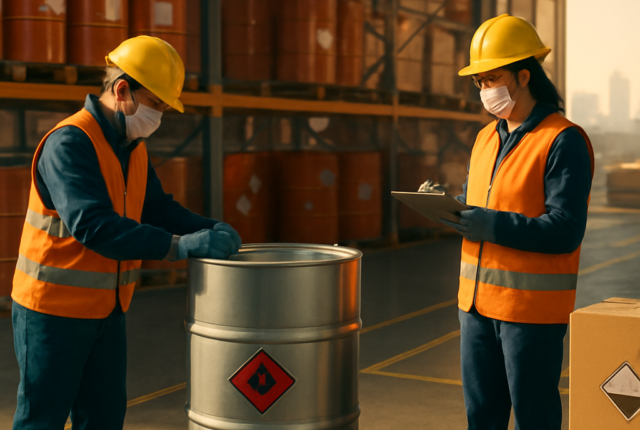
Warning signs usually surface first in day-to-day operations. Drivers uncertain about safety protocols for transport ask colleagues for advice instead of referring to formal procedures. Depot teams treat minor leaks, damaged drums or temperature alarms as routine clean-ups rather than near misses demanding investigation. Inconsistent pallet labels, missing Safety Data Sheets and rushed safe loading of hazardous consignments all suggest systemic strain in compliance and oversight.
Underlying causes: culture, systems and compliance gaps
Behind many incidents lie cultural factors such as normalised shortcuts and an overreliance on a few “go-to” experts to solve chemical cargo handling best practices on the fly. Smaller operators may lack integrated systems to track Hazardous Goods across multi-leg journeys, leaving room for route deviations, delays and exposure to heat. Fragmented understanding of regulatory standards for chemical freight, including multi-modal hazardous cargo regulations, makes it harder to maintain consistent controls across contractors and jurisdictions.
Australian guidance from Safe Work Australia and the National Transport Commission highlights dangerous goods transit safety procedures as a shared responsibility across the Chain of Responsibility, and their resources provide practical context on hazardous materials transport safety (see: https://www.ntc.gov.au/regulatory-topics/dangerous-goods). If recurring near misses, confusion over classifications or growing mixed-class volumes sound familiar, it is time to benchmark your risk controls, review international chemical shipping compliance where relevant, and seek specialist advice on risk controls for dangerous goods logistics before a manageable issue becomes a crisis. Consider whether your current approach to Hazardous Goods would withstand external scrutiny, and take steps now to review, test and strengthen your systems.

Related posts

Essential Permits and Certifications for Hazardous Goods Transport
Understand essential permits and certifications for Hazardous Goods transport in

Ensuring Safety in Hazardous Goods Transportation: Best Practices for Shippers
The transportation of hazardous goods poses a significant risk to the environmen
Customs Clearance for Hazardous Goods: A Comprehensive Guide
Understand customs clearance for hazardous goods in Australia, from regulation t
