




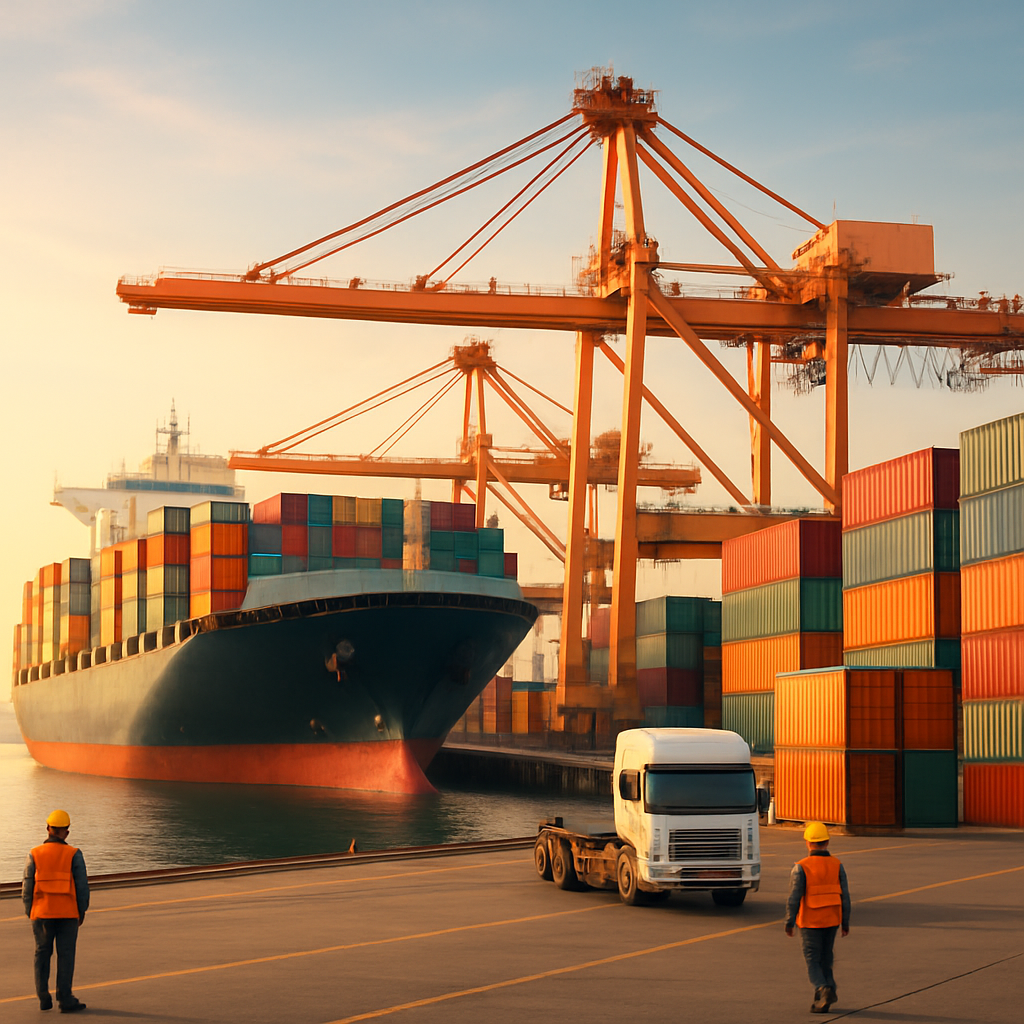
Sea Freight: Definition, Benefits, Costs, and Challenges in 2026
Sea Freight remains the quiet workhorse of Australia’s trade, carrying bulk commodities, containerised goods, and refrigerated cargo between key partners in Asia, Europe, and North America. As costs, regulations, and risk profiles shift in 2026, Australian businesses are reassessing which international shipping options best match their budgets, lead times, and sustainability targets. The challenge is not just finding space on a vessel, but choosing the right mix of services, routes, and partners to keep supply chains resilient.
What is Sea Freight in 2026?
In 2026, Sea Freight typically involves container ships, car carriers, and bulk vessels operating on fixed schedules across major trade lanes. Australian shippers face tighter emissions rules from the International Maritime Organization, rising pressure to measure carbon footprints, and growing reliance on digital tracking platforms. Compared with air freight, ocean cargo services still offer lower costs per tonne, but exporters and importers must build in longer lead times and more contingency planning. This environment makes service design as important as rate negotiation.
Comparing Ocean and Multimodal Freight Solutions
For higher-value or urgent cargo, air freight remains attractive despite premium prices, while rail and road provide flexibility on domestic legs. Many Australian firms now blend freight forwarding solutions that combine sea with air or rail to balance cost, speed, and risk. Global ocean freight choices range from full-container loads for large, predictable volumes to shared containers or breakbulk for oversized projects. Decision-makers increasingly weigh carbon impact and service reliability alongside traditional price comparisons.
Costs, Risks, and Service Design for Australian Shippers
Total landed cost goes well beyond base freight rates, taking in fuel surcharges, terminal handling, customs, quarantine, insurance, and inland transport. To unlock cost-effective sea freight solutions, operators are refining ocean freight routing strategies, avoiding congestion hotspots, and using data to forecast demand. At the same time, managed international freight services help businesses navigate port disruptions, industrial action, and biosecurity inspections that can delay time-sensitive imports and exports.
- Clarify urgency, variability, and value of your cargo before choosing a mode.
- Compare door-to-door transit times and reliability across carriers and routes.
- Assess international ocean freight services against your sustainability commitments.
- Review contract terms on surcharges, schedule changes, and capacity guarantees.
- Consider sea freight forwarding options that bundle customs, biosecurity, and inland transport.
For many exporters, business-focused sea shipping paired with end-to-end ocean logistics offers the best balance of price stability and control. Trade advisors increasingly point shippers to independent resources, such as the Australian Government’s guidance on maritime emissions and trade policy at https://www.dcceew.gov.au, when assessing long-term investments. As 2026 unfolds, operators who understand how different service models work will be better placed to safeguard margins and reliability while staying compliant.
To test whether Sea Freight, air, or a multimodal setup is right for your next season, compare scenarios and seek expert advice before contracts renew. A specialist can map your main trade lanes, stress-test schedules, and tailor managed pathways that match risk tolerance and growth plans. Book a consultation to benchmark your current approach, explore alternative routings, and build a more resilient, future-ready logistics strategy for your Australian supply chain.

Related posts
MSC CAP/KIWI Service Suspended until further notice
In a significant update received, it has been instructed that all fresh bookings
Digital Waves: The Role of Technology in Transforming Sea Freight
In the vast ocean of commerce, a new tide is rising—Digital Waves. This articl
Descartes Report Shows Robust Port and Imports Activity in May
Another month brought another strong month of United States-based imports, accor
