




How Road Freight Works: An Overview for Logistics Managers
How Road Freight Works: An Overview for Logistics Managers in Australia
Understanding the role of road freight in Australian supply chains
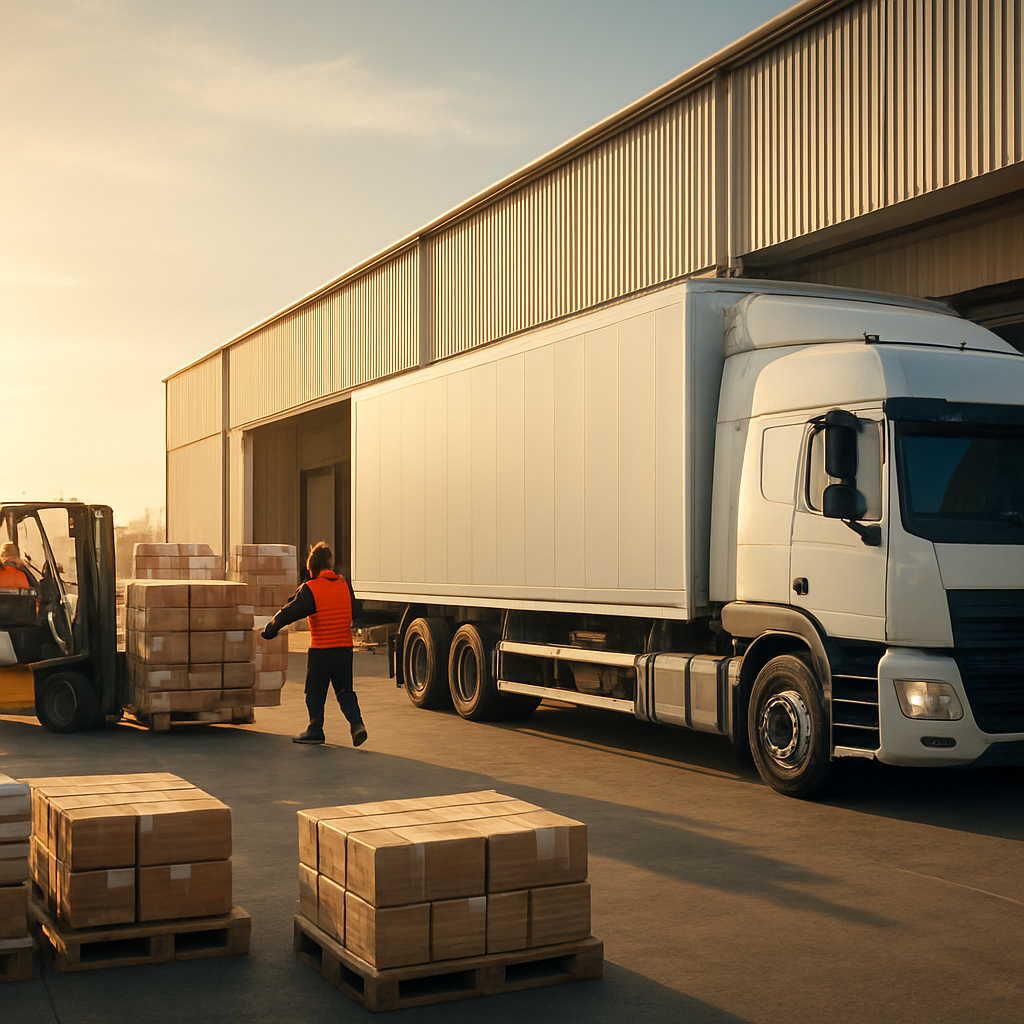
Road Freight underpins most non-bulk transport in Australia, connecting producers, distribution centres and retail networks across vast distances. For logistics managers, the challenge is not just moving freight, but selecting the right mix of freight transportation services to balance cost, service levels and risk. Road-based logistics solutions are particularly critical in regional areas where rail access is limited and air is prohibitively expensive. As eCommerce and just-in-time inventories grow, understanding how different road freight transportation services operate becomes central to maintaining reliability and customer satisfaction.
Key components of road freight operations
Linehaul services move large volumes between capital cities and major hubs, typically using B-doubles or road trains on designated freight corridors. Metro distribution then breaks bulk into smaller loads, servicing retailers, industrial sites and domestic cargo delivery options in urban and peri-urban zones. The last mile completes cargo delivery options to DCs, stores or end customers, often under tight time windows and access restrictions. Each stage has different cost drivers, from fuel and tolls on long-haul runs to labour and congestion in city delivery. Matching consignments to the right vehicle type and service tier is the core optimisation task for logistics leaders.
Planning, compliance and risk management
Effective planning starts with accurate demand forecasting and a clear view of business freight shipping options across owned fleet, subcontractors and on-demand carriers. Transport management systems help optimise routing, consolidate loads and provide flexible cargo transport options during peak periods. In Australia, compliance with National Heavy Vehicle Regulator rules on fatigue, mass, loading and access is non-negotiable for any road freight logistics services. Robust induction, training and audit regimes reduce safety incidents, protect brand reputation and contain insurance and penalty costs. For a broader view of heavy vehicle performance trends, logistics teams can draw on the National Heavy Vehicle Regulator’s official statistics at https://www.nhvr.gov.au/safety-accreditation-compliance/safety.
Choosing the right service mix and partners
Selecting the best logistics and shipping solutions depends on freight profile, lanes and service expectations. Scheduled linehaul is often the most efficient choice for palletised inter-capital movements, while express services suit urgent or high-value consignments. Regional freight may require carriers with specialist experience on restricted routes and unsealed roads, offering road-based logistics solutions designed for remote communities. Shippers with both domestic and international freight delivery options to manage often benefit from integrated road logistics and shipping solutions that align with port and airfreight cut-offs. Clear KPIs on on-time performance, damage, communication and cost transparency are essential when comparing providers and service tiers.
- Use GPS tracking and telematics to monitor on-time performance and driver compliance.
- Align service tiers with customer promises, from economy to premium express.
- Consolidate compatible loads to increase utilisation and cut empty kilometres.
- Benchmark carriers regularly on safety, claims rates and communication quality.
- Review network design annually as volumes, lanes and costs change.
For Australian logistics managers, the priority is building a resilient mix of Road Freight services that can adapt to demand swings, weather events and supply chain disruptions. Integrating transport data with warehouse and order systems exposes bottlenecks and highlights where process changes or new cargo delivery options are needed. As sustainability targets tighten, newer vehicles, alternative fuels and smarter backloading offer tangible emission and cost benefits. When evaluating providers, focus on network coverage, safety culture, technology capability and their ability to tailor domestic cargo delivery options to your profile. To clarify your choices and pressure-test your current setup, consider speaking with a transport specialist who can map scenarios, compare service models and help you design a more efficient national road network.

Related posts

Maximizing Efficiency in Road Freight: Strategies for Streamlined Operations
In the fast-paced world of logistics and transportation, maximizing efficiency i
The Role of Artificial Intelligence in Road Freight Optimization
The logistics industry plays a vital role in the global economy, ensuring the ef
Electric Trucks Enter Mainstream Logistics in 2026: What Fleet Operators Need to Know
Electric trucks are no longer a distant experiment in road freight. In 2026, the
