




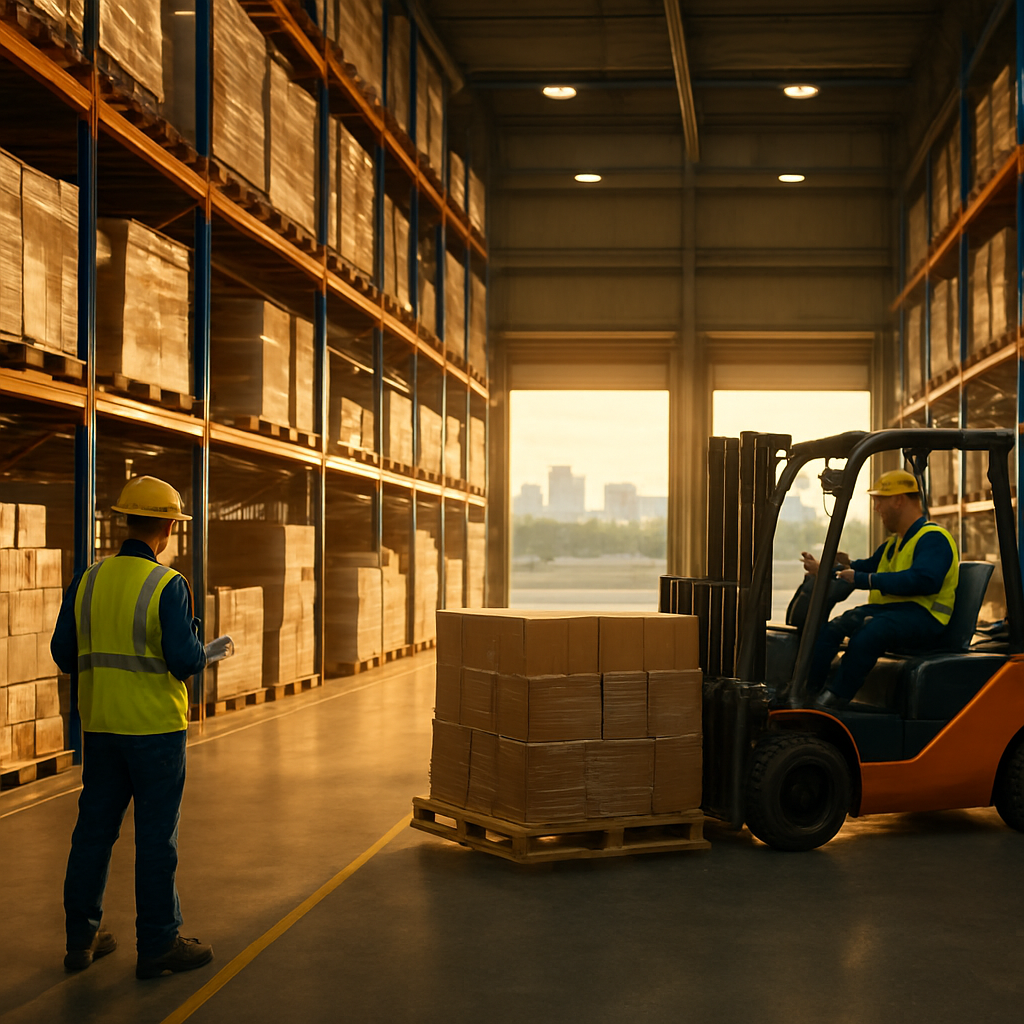
Secure Storage Solutions: Protecting Your Inventory
Secure storage solutions have shifted from a purely operational concern to a board-level priority for Australian businesses. As supply chains digitise and inventories become more valuable, leaders recognise that secure inventory storage underpins both resilience and customer confidence. The organisations that treat storage as a strategic capability, not a cost centre, are those best placed to navigate disruption, regulatory pressure and shifting insurer expectations.
In modern Australian supply chains, secure storage solutions are no longer a defensive control; they are a foundation for competitive advantage, risk reduction and smarter capital allocation.
Rising exposure to physical theft, cyber incidents and climate‑driven disruption means traditional inventory storage options are no longer sufficient. Boards increasingly ask how storage risks could trigger reputational, contractual and regulatory fallout. At the same time, underwriters want hard evidence of layered controls, audit trails and tested incident responses before offering favourable terms. The result is a decisive shift from tick‑box compliance to genuinely risk‑based Warehousing strategies.
Secure storage solutions in modern warehousing strategies
Forward‑looking operators are integrating secure storage solutions across physical, digital and procedural domains rather than treating them as siloed projects. AI‑enabled video analytics, advanced access control and visitor governance are combined with warehouse logistics management policies that restrict who can touch what, when and why. The goal is to reduce shrinkage, limit human error and create a defensible narrative for customers, auditors and insurers.
Technology trends reshaping secure storage
IoT sensors, environmental monitoring and real-time inventory tracking are redefining how Australian organisations safeguard pharmaceuticals, perishables and sensitive electronics. These technologies support efficient logistics operations by surfacing anomalies early and enabling faster root‑cause analysis when things go wrong. Used well, they also enhance inventory visibility solutions, helping leaders redeploy stock, reroute orders and preserve supply chain efficiency during disruption.
Automation, robotics and automated storage and retrieval systems are changing the risk profile inside facilities, limiting unnecessary human access to high‑value zones. When combined with scalable storage strategies and integrated supply chain logistics, they create a more predictable, auditable environment. Decision‑makers should also track developments in blockchain‑based track‑and‑trace, which can strengthen chain‑of‑custody records across complex logistics management solutions.
For Australian inventory leaders, the next step is to embed security outcomes into broader performance metrics such as optimising warehouse efficiency, order accuracy and claims history. Reviewing your secure storage posture annually, aligned to guidance from the Australian Cyber Security Centre at https://www.cyber.gov.au, helps ensure controls evolve with threats. Now is the time to assess your storage environment, benchmark against peers and engage experts to redesign storage as a strategic asset rather than a static cost.
Call to action: Review your current storage security posture this quarter and engage a specialist to benchmark your facilities, technology stack and governance against leading Australian practice, turning secure storage into a clear competitive edge.

Related posts
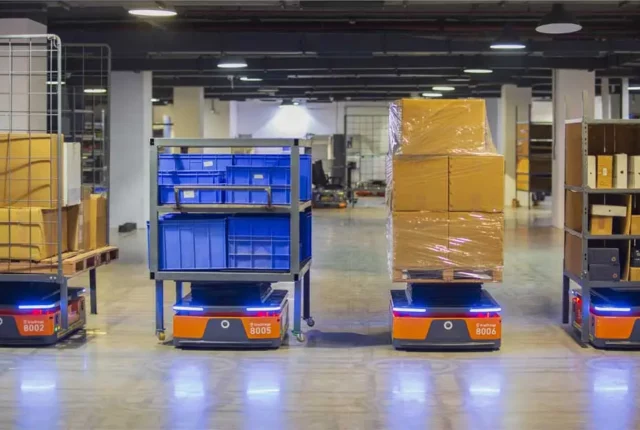
Silent Efficiency: The Role of Robotics in Noiseless Warehousing Operations
In the fast-paced world of warehousing, where efficiency is key, a new player ha
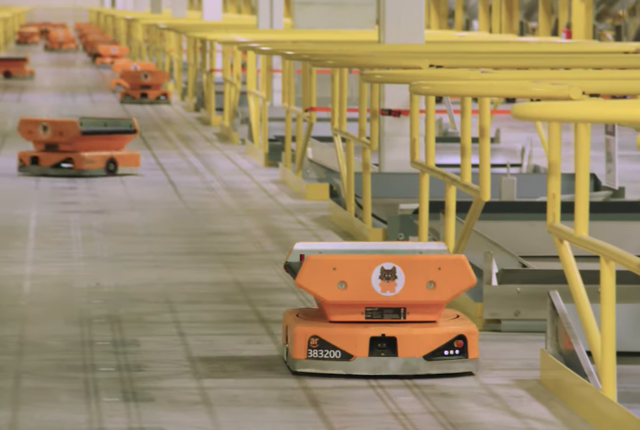
COVID Has Helped Amazon Increase Rapidly in Australia
International retail behemoth, Amazon’s expansion into the Australian market i
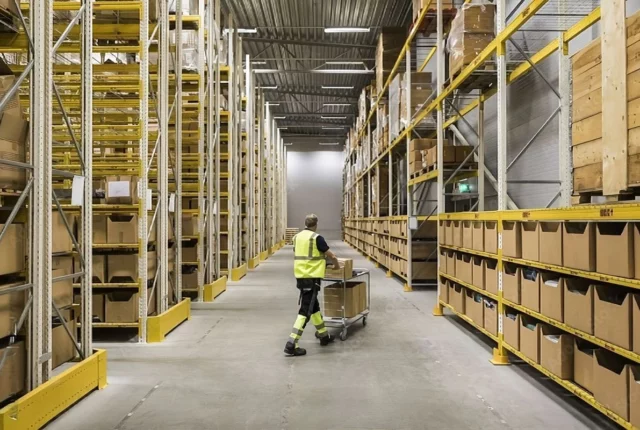
Warehouse Location Strategy: Finding the Sweet Spot for Efficiency
Warehousing is the backbone of a successful supply chain. The location of your w
